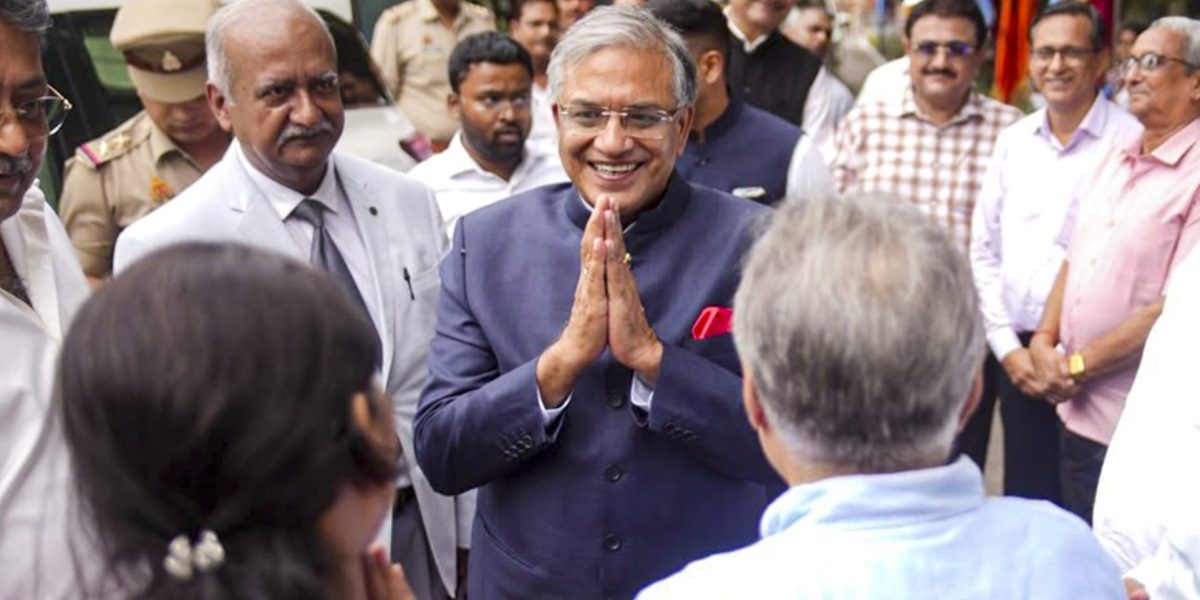
Twenty States Challenge Trump Administration's H-1B Visa Fee


A coalition of twenty US states has filed a federal lawsuit against the Trump administration, contesting a controversial $100,000 fee imposed on new applications for H-1B visas. The lawsuit, led by California Attorney General Rob Bonta and filed in the US District Court for the District of Massachusetts, argues that the fee exceeds presidential authority and threatens critical labour markets in the United States.
The H-1B visa programme, which allows US companies to employ foreign workers in specialty occupations, typically involves fees ranging from approximately $960 to $7,600. The introduction of this substantial six-figure surcharge represents a dramatic increase that has raised concerns among employers and industry leaders alike.
Critics of the fee, including Democratic officials, contend that the Department of Homeland Security (DHS) acted beyond its authority by implementing such a high charge without congressional approval. They argue that the measure also bypassed necessary notice-and-comment procedures mandated by the Administrative Procedure Act, which requires public input before new regulations are enacted.
The lawsuit highlights the potential detrimental impacts on various sectors reliant on skilled foreign professionals, particularly in technology, healthcare, and education. Maryland’s Attorney General pointed out ongoing shortages of teachers and researchers, while officials from Oregon and Vermont expressed concerns about the economic repercussions and the capacity of local services that depend on H-1B workers.
Approximately 70% of H-1B visa holders are from India, and the new fee has sparked debate about its implications for the US job market. Proponents of the fee argue that it aims to prevent abuses within the H-1B system and to protect American jobs. However, critics warn that the policy could exacerbate existing labour shortages and diminish the competitiveness of the US in industries that require high-skilled talent.
Stephen Miller, a senior advisor to President Trump, has defended the administration's decision. He stated that the president has the authority to control who enters the country and highlighted concerns over so-called 'bodyshops'—third-party companies that hire foreign workers to replace American employees. Miller asserted that the administration's actions are necessary to ensure that skilled jobs are not unduly filled by foreign workers at the expense of American labour.
The lawsuit adds to a growing legal and political battle over the H-1B visa system. In October, the US Chamber of Commerce and several industry groups also initiated separate legal actions against the fee, asserting that it is unlawful and poses a threat to business investment and innovation in the country.
As hearings on the case are anticipated in the coming weeks, the outcome will serve as a critical examination of executive authority over immigration policy and the ongoing tension between protecting domestic labour and the needs of a globalised economy that relies on specialised talent.
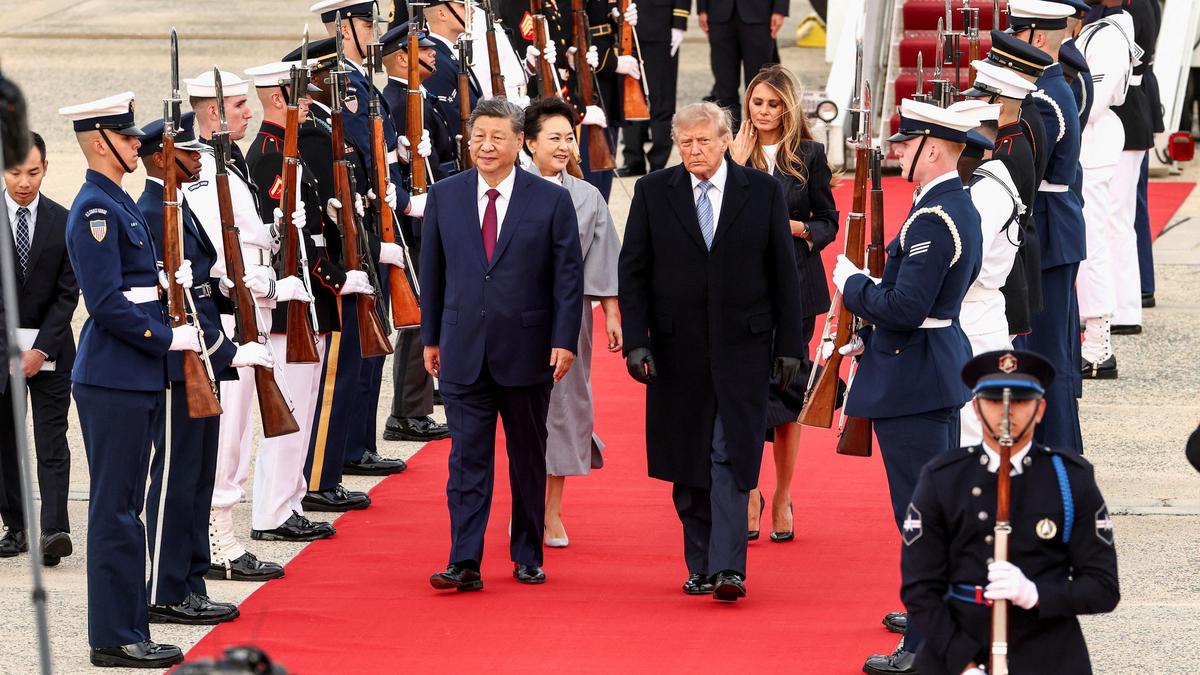
Chinese President Xi Jinping Begins State Visit to Washington
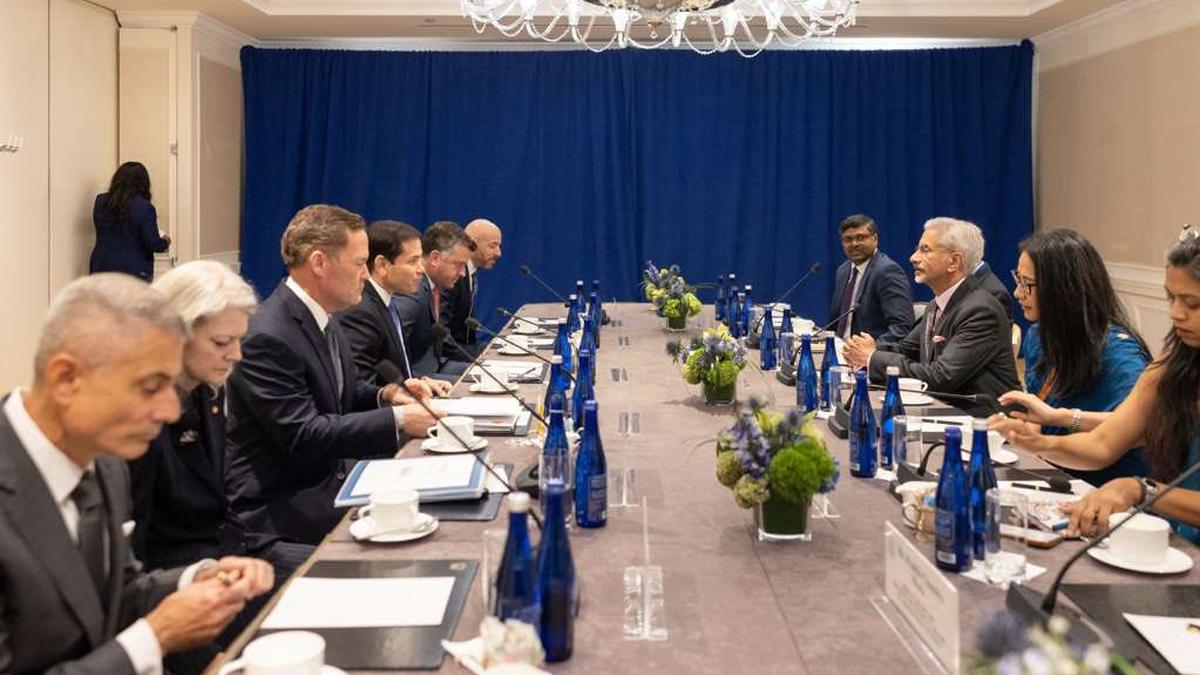
Jaishankar Discusses US Tariff Concerns with Secretary Rubio
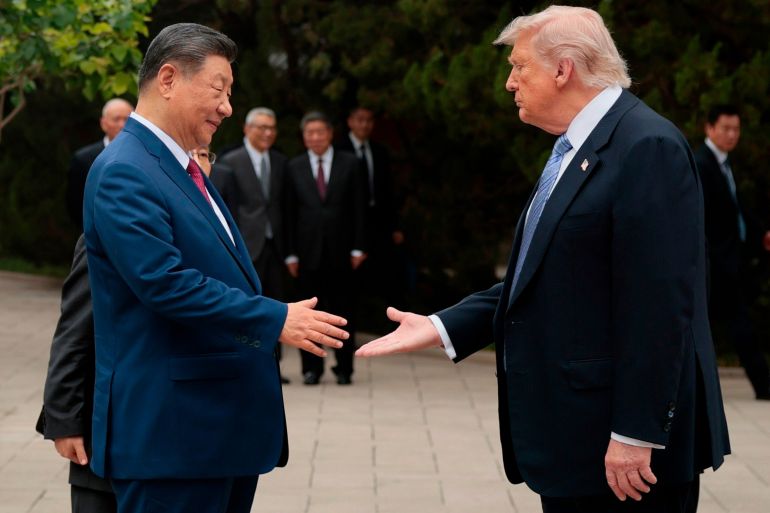
US and China Leaders Discuss AI Rivalry Amid Global Concerns
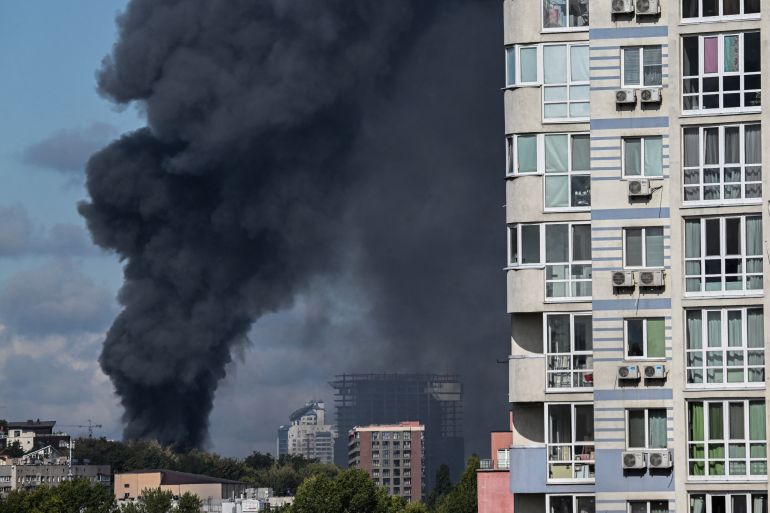
Russian Drone Strikes Kyiv, Donetsk Following Zelenskyy-Trump Talks