Russia Challenges EU's Plan to Use Frozen Assets for Ukraine Support


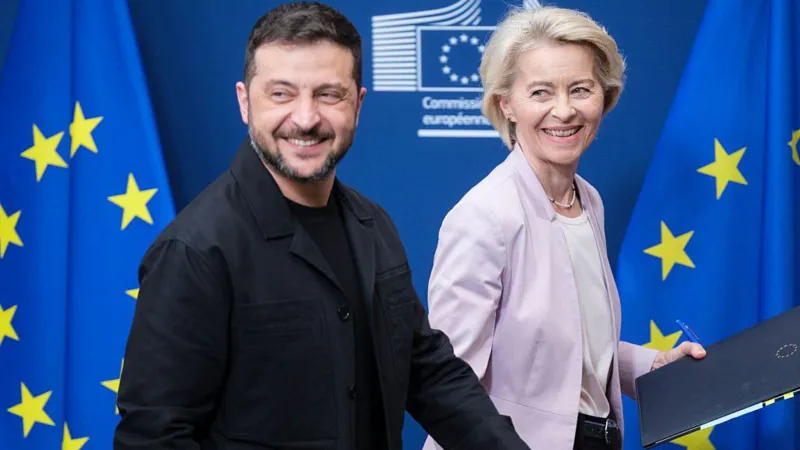
Russia has launched legal proceedings against the Belgian bank Euroclear in response to efforts by Ukraine's European allies to utilise Moscow's frozen assets for Ukraine's military and economic support. The Russian Central Bank's lawsuit, filed in a Moscow court, alleges that the European Union's actions constitute theft.
Ukraine is facing severe financial difficulties as it continues to grapple with the impacts of nearly four years of full-scale warfare initiated by Russia. Ukrainian officials estimate a budget shortfall of approximately €135.7 billion (£119 billion; $159 billion) over the next two years, prompting European leaders to consider the potential release of frozen Russian assets held by Euroclear as a solution.
Following the onset of the full-scale invasion of Ukraine in February 2022, around €210 billion of Russian assets were frozen in the European Union. Of this total, €185 billion is currently held by Euroclear, a major securities settlement firm. The EU and Ukraine contend that these funds should be allocated to rebuild infrastructure and services destroyed by Russian military actions. Ukrainian President Volodymyr Zelensky stated, "It's only fair that Russia's frozen assets should be used to rebuild what Russia has destroyed – and that money then becomes ours."
German Chancellor Friedrich Merz supported this initiative, asserting that accessing these assets would significantly bolster Ukraine's capacity to defend itself against further Russian aggression.
Despite these ambitions, concerns about legal repercussions loom large. Belgium is apprehensive that it may be left with substantial liabilities should the plans backfire. Valérie Urbain, the CEO of Euroclear, raised alarms about the potential for destabilising the international financial system should the assets be mismanaged.
Belgian Prime Minister Bart De Wever has outlined conditions he deems "rational, reasonable, and justified" before agreeing to the reparations plan, indicating that he may pursue legal action if the proposal presents significant risks to Belgium's financial stability.
As the EU approaches a crucial summit next week, efforts are underway to devise a solution that accommodates Belgium's concerns. The European Commission has indicated confidence in addressing these issues, emphasising that any risks to Belgium would be mitigated through guarantees concerning the frozen Russian assets.
The EU has previously refrained from directly accessing these frozen assets but has managed to provide Ukraine with €3.7 billion in windfall profits derived from them in 2024. The legal framework supporting this approach is viewed as secure due to the existing sanctions against Russia, which leave the proceeds untouchable by Russian authorities.
In light of dwindling international military aid for Ukraine, the EU is working on two proposals to generate €90 billion to cover two-thirds of Ukraine's funding needs. One proposal suggests raising funds through capital markets with the EU budget serving as collateral, a strategy preferred by Belgium. However, achieving unanimous consent from EU leaders remains a challenge, particularly due to opposition from Hungary and Slovakia regarding military funding for Ukraine.
The alternative proposal involves loaning funds to Ukraine from the frozen Russian assets, which have matured into cash. This process would involve assets held by Euroclear in the European Central Bank.
The European Commission acknowledges Belgium's legitimate concerns and aims to provide satisfactory assurances. In a significant move, EU ambassadors are expected to agree on an indefinite immobilisation of Russian central bank assets in Europe, utilising an emergency clause under Article 122 of the EU Treaties. This action would help prevent any potential legal risks to Belgium, as the assets would remain frozen as long as there is an "immediate threat to the economic interests of the union."
Despite Belgium's strong commitment to supporting Ukraine, concerns about the legal implications of the proposed plan persist. In light of Belgium's economic size, experts warn that the country's GDP of approximately €565 billion could be severely impacted by a substantial financial burden stemming from the proposed reparations plan.
Veerle Colaert, a professor of financial law at KU Leuven University, highlighted the potential regulatory violations that could arise if Euroclear were compelled to provide loans to the EU. She cautioned that banks must adhere to capital and liquidity requirements to maintain stability and that Belgium could face the obligation to bail out Euroclear if the situation deteriorates.
With a sense of urgency, seven EU member states, particularly those closest to Russia, are advocating for a swift resolution to the frozen assets plan, deeming it the most viable financial solution. German politician Norbert Röttgen emphasised the critical nature of the upcoming decisions, stating, "If we fail, I don't know what we'll do afterwards. That's why we have to succeed in a week's time."
As discussions continue, there are additional concerns regarding the potential involvement of the United States in the utilisation of Russia's frozen assets, which could complicate matters further. President Zelensky has indicated that Ukraine is collaborating with Europe and the US on a reconstruction fund, while remaining vigilant about US-Russia negotiations regarding future cooperation.
The forthcoming EU summit will be pivotal in determining the course of action regarding the frozen Russian assets, as European leaders seek to balance financial, legal, and geopolitical considerations in their efforts to support Ukraine.
Chinese President Xi Jinping Begins State Visit to Washington
Jaishankar Discusses US Tariff Concerns with Secretary Rubio
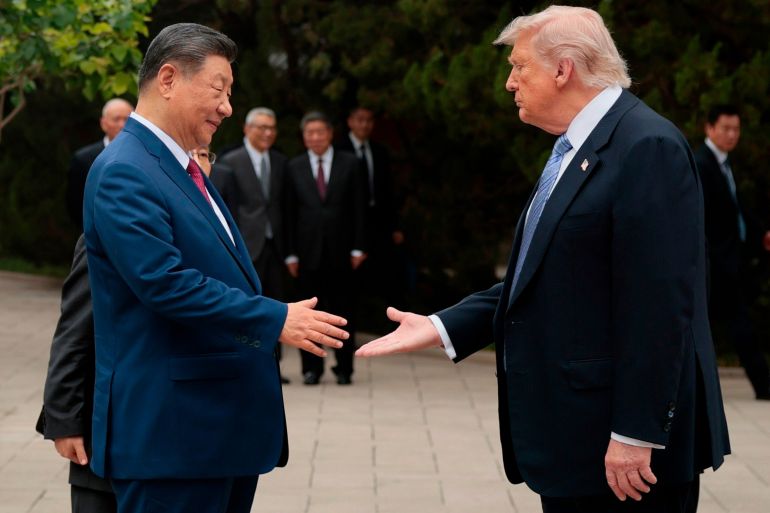
US and China Leaders Discuss AI Rivalry Amid Global Concerns
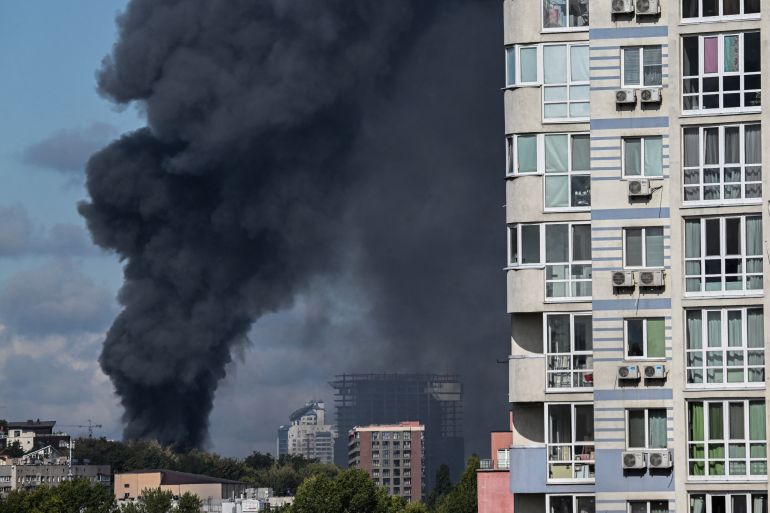
Russian Drone Strikes Kyiv, Donetsk Following Zelenskyy-Trump Talks