Turkey, Saudi Arabia, and Pakistan Sign Defence Pact in Mecca


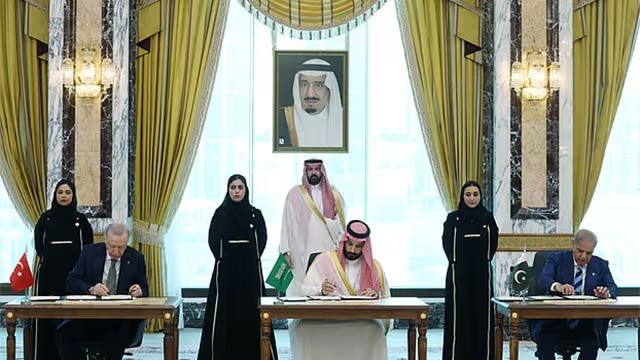
In a significant development for regional security, Turkey, Saudi Arabia, and Pakistan have formalised a joint defence pact known as the Mecca Joint Deterrence Agreement. Signed in Mecca, Saudi Arabia, this arrangement aims to reshape the security landscape as tensions intensify across the Middle East, particularly due to the ongoing conflict involving the United States and Israel against Iran. Turkish President Recep Tayyip Erdogan, Saudi Crown Prince and Prime Minister Mohammed bin Salman, and Pakistani Prime Minister Shehbaz Sharif were all present for the signing on Friday.
The pact establishes a collective understanding that an attack on any of the three nations will be considered an attack on all. According to the Pakistani Ministry of Foreign Affairs, the agreement is rooted in long-standing historical ties and reflects a commitment to Islamic solidarity, and it aims to enhance mutual security, promoting stability in the region.
The agreement came on the heels of elevated regional tensions linked to the October 7, 2023, attack by Hamas on Israel, which sparked retaliatory actions leading to rising violence. Pakistan's recent pilgrimage to Mecca by Prime Minister Shehbaz Sharif and Army Chief Asim Munir underlines the significance of the event. Erdogan’s visit was also elevated by ongoing discussions on regional defence strategies.
Reports indicate that the groundwork for this pact had begun earlier, following the escalation of hostilities in the region. Experts suggest that the deal exemplifies a strategic pivot towards greater regional governmental autonomy, amidst concerns regarding Iran's military advancements and Israel's influence, which has led to increased anxiety among participating nations.
Al Jazeera's coverage quoted political analysts stressing the necessity of this agreement, noting that the evolving dynamics post-October 7 required a unified response from these three states. Authorities in Turkey assert that regional shifts and crises demand enhanced cooperation for national security.
Additionally, the defence agreement is said to leverage the complementary strengths of the three signatories: Turkey boasts the second-largest military in NATO, Saudi Arabia is the leading global oil exporter, and Pakistan possesses nuclear capabilities as the only Muslim nation armed with such deterrence. This alignment extends beyond mere defence coordination; it aims to facilitate military, financial, and industrial collaboration, enhancing each country's capacities.
Experts have highlighted the importance of this initiative as a foundation for a framework that encourages deeper strategic and military cooperation among Turkey, Pakistan, and Saudi Arabia. While not directly comparable to a NATO-type mutual defence alliance, it serves as a strategic alignment aimed at addressing shared security concerns, particularly regarding Iran's regional ambitions.
Political commentators underline that this agreement comes amidst Saudi Arabia's reliance on foreign military procurement. The partnership with Turkey is expected to facilitate the development of Saudi Arabia's domestic defence industry, reducing external dependence.
The trilateral partnership aims to align intelligence-sharing mechanisms and enhance overall cooperative strategies, positioning these countries to act in solidarity against potential threats. As this pact takes shape, observers will closely monitor its implications for both regional peace and security architecture.
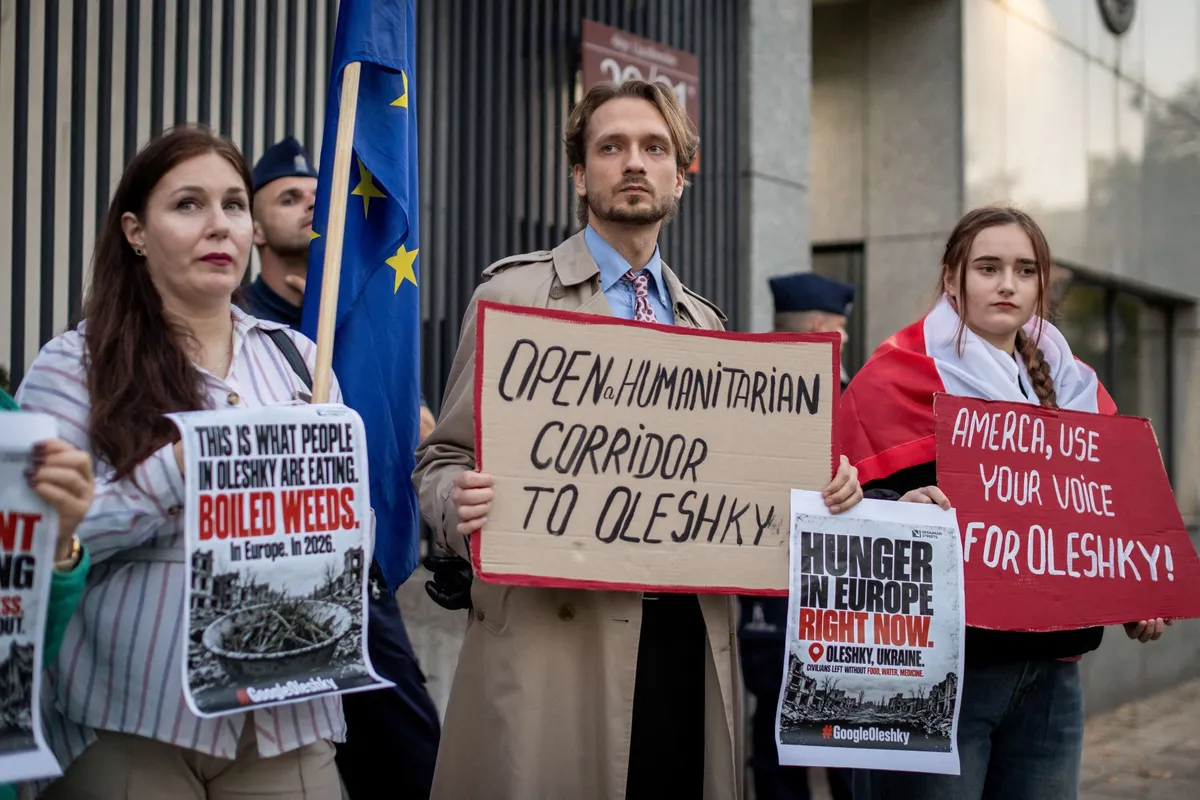
Ceasefire Agreed in Oleshky Amid Ukraine's Humanitarian Crisis
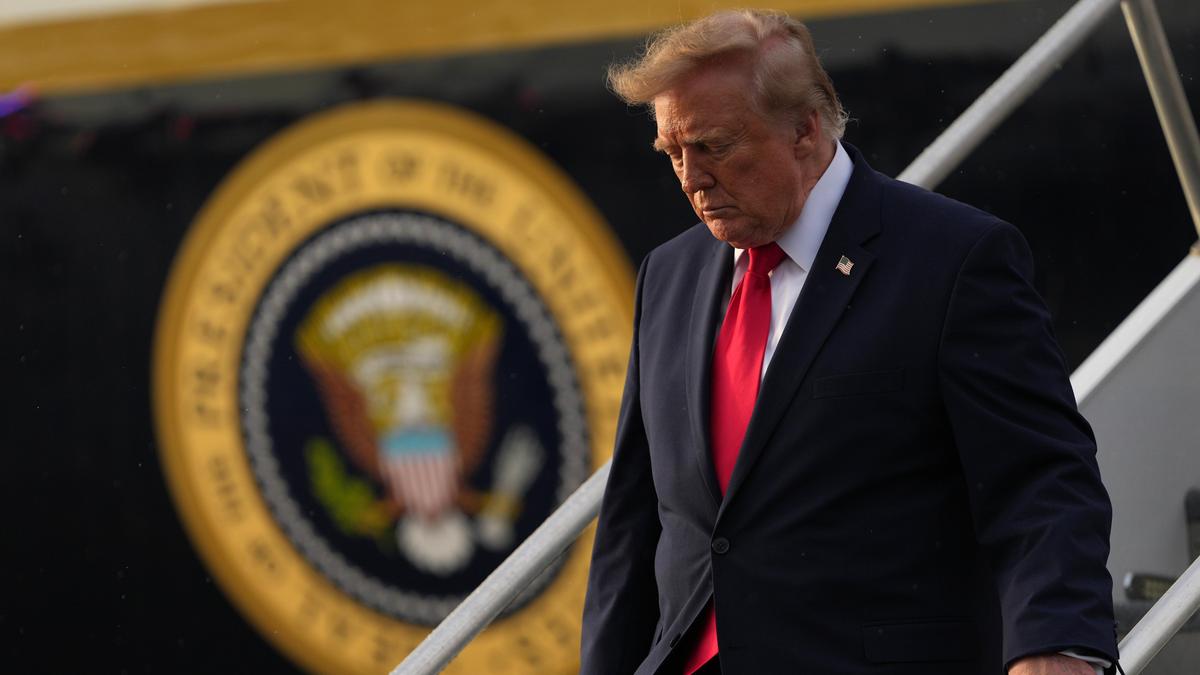
Donald Trump Hints at US Interest in Cuba After Conflict in Iran
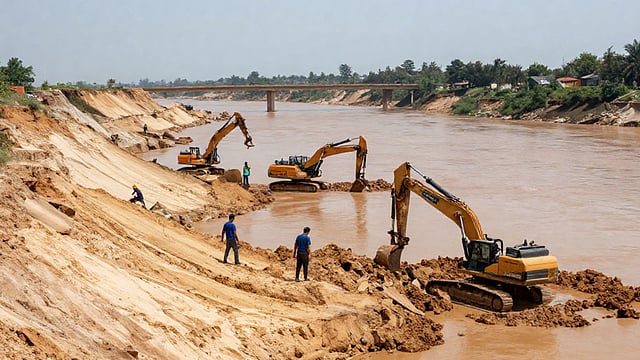
UK Court Rules Against India in RAKIA Investment Dispute
India Raises Concerns Over Chinese Border Patrolling Deviations