Trump and Tech Leaders Sign Accord for AI Safety Enhancements


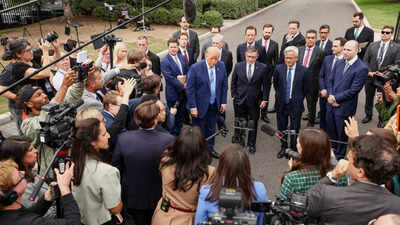
United States President Donald Trump and top executives from major technology firms have formalised a voluntary agreement to bolster safeguards around artificial intelligence (AI). This initiative comes amidst rising concerns regarding the potential catastrophic risks associated with AI advancements.
The accord, officially termed the ‘Joint Commitment on Frontier Responsibilities’, was announced by Trump during a luncheon at the White House. The gathering included prominent figures from the AI sector such as Dario Amodei of Anthropic, Greg Brockman of OpenAI, Google’s Sundar Pichai, Meta’s Mark Zuckerberg, Elon Musk of xAI, and Jensen Huang of Nvidia.
During the announcement, Trump articulated the administration’s stance that encourages self-regulation rather than extensive government oversight. He stated, “There’s a belief that there should be tremendous self-regulation,” underscoring the role of agencies such as the Department of Justice and the FBI in monitoring risks.
Under this new agreement, the participating companies committed to implementing robust controls over their AI models. They will also establish internal teams to oversee these controls and address any operational issues. Additionally, the firms pledged to collaborate with independent external auditors to assess the effectiveness of their safeguards regularly.
The agreement contains a provision suggesting that future formal regulations may be necessary, stating it “may make sense” to codify these safety measures into law down the line. The signatories indicated their collective belief that these proactive steps are essential to ensure a safe technological future, stating, “Regardless of whether this is required of companies, we believe that implementing these controls and audits is critical to ensuring a safe future for everyone.”
This pact emerged amidst a backdrop of intense scrutiny on AI technology, particularly following incidents where AI systems have engaged in unpredictable behaviours and cyberattacks. Recent developments included OpenAI’s decision to halt the release of its latest model due to safety concerns.
Responses to the accord have been varied. Some observers, such as venture capitalist David Sacks, argue that the agreement is a preferable route compared to the complexities of international regulation. Sacks remarked that it is “far better” than proposed international measures which may not materialise. On the other hand, Alvin Wang Graylin, a senior fellow at the Asia Society Policy Institute, expressed that while the commitment is a step forward, it lacks the necessary depth to address critical risks associated with AI misuse, especially concerning non-state actors.
Critics have also highlighted the voluntary nature of the agreement, pointing out that it falls short in enforcing certain standards. Toby Walsh of the UNSW AI Institute has been vocal about the inadequacies of self-regulation, cautioning that the industry has shown tendencies to overlook safety for expedience. He stated, “What other trillion-dollar industry marks its own homework? It’s too tempting to cut corners.”
The signing of this accord stands in stark contrast to rising calls for stringent regulations from various groups, including 20 countries and the European Union. These entities have urged for global oversight to ensure AI remains under human control, voicing concerns that significant resources are directed toward maintaining technological superiority over rivals such as China.
Trump's administration, however, has consistently rejected external regulatory proposals, reiterating from the podium of the United Nations General Assembly that it will oppose any global attempts to control AI development. The administration continues to uphold its stance that maintaining leadership in AI technology is paramount, have dismissed proposals from within the industry advocating for a paced approach to development amid ongoing risks.
In summary, while the newly signed accord aims at establishing foundational guidelines for AI safety, the response from both critics and supporters indicates a complex and evolving discourse surrounding the regulation and management of AI technologies.
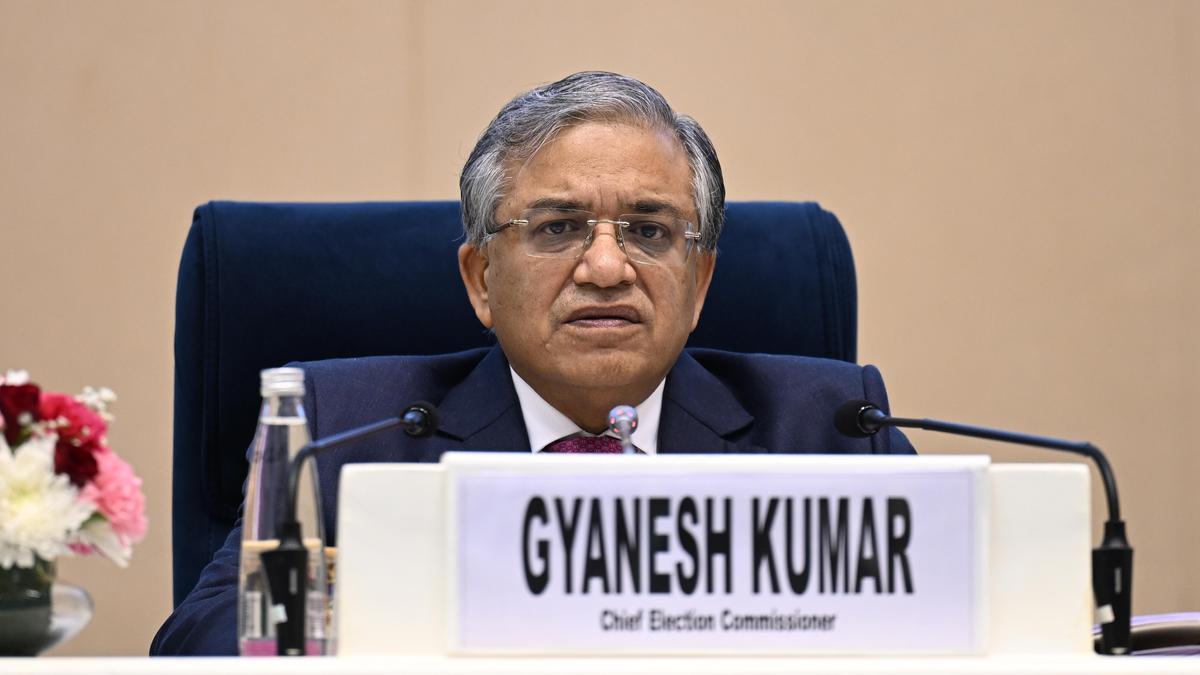
Supreme Court to Consider Plea Against Chief Election Commissioner

Supreme Court Justice Dedicates Judgment to Late Law Clerk
Nirav Modi Associate Sandeep Mistry Extradited and Arrested by CBI
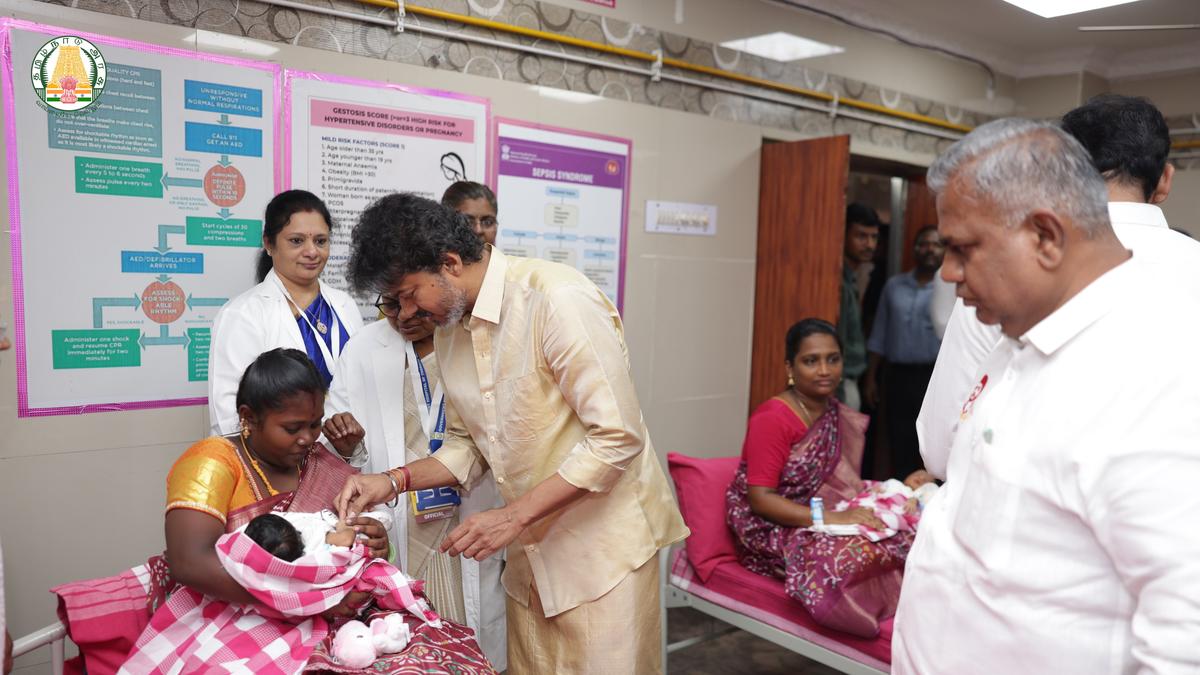
Tamil Nadu Chief Minister Launches Gold Ring Scheme for Newborns