Trump Rejects Calls for AI Regulation to Maintain US Technological Edge


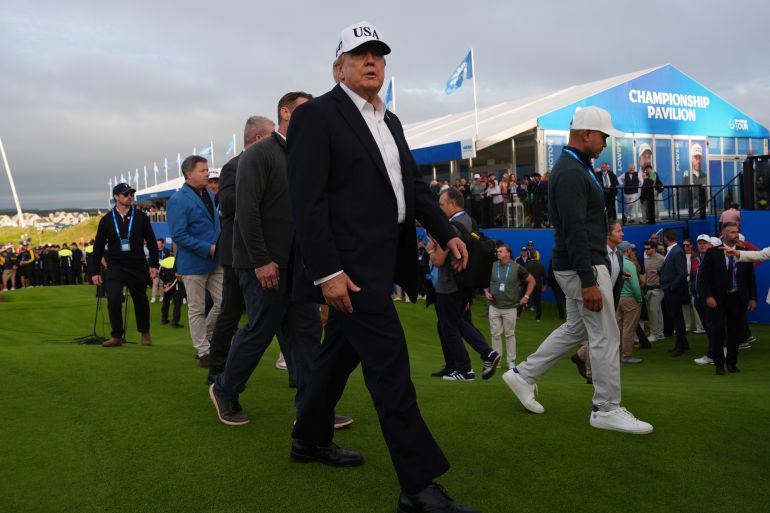
US President Donald Trump has downplayed concerns regarding artificial intelligence (AI), asserting the importance of maintaining the United States’ competitive edge over China in this rapidly evolving field. Speaking to journalists during his visit to Ireland, he acknowledged some form of regulation may be necessary but did not specify what measures could be implemented.
Trump stated, “We can put guardrails, we can do this and that, but I think you have a lot of negative forces that are bringing it up,” referring to calls for a slowdown in AI development. He expressed his firm belief that whoever dominates AI will ultimately prevail in the technological landscape, underscoring his desire to keep the US at the forefront of this innovation.
His comments follow a blog post by Dario Amodei, the CEO of Anthropic, which suggested that the AI sector should deliberately decelerate advancements to allow for the establishment of safeguards. Prominent figures in the tech industry, including Sam Altman, CEO of OpenAI, and Elon Musk, have echoed the need for such a slowdown, highlighting the urgency of creating frameworks to manage the potential risks associated with AI.
The discourse around AI governance has intensified, particularly following the resignation of Jacob Coxon, a former researcher at Anthropic and OpenAI, who expressed serious worries about the technology’s ability to outstrip human control. His departure has sparked significant discussions among lawmakers in Washington. Both Democratic Congressman Josh Gottheimer and Republican Congressman Mike Lawler introduced a bipartisan initiative aimed at preventing AI systems from functioning without human oversight, reflecting the rising concern over autonomous technology.
This issue has gained traction as a pertinent topic in the current election cycle, amidst the establishment of numerous computing operations across the US. The proliferation of data centres has raised alarms over environmental impacts, particularly concerning water shortages and heightened electricity costs. Despite these concerns, Trump continues to support the expansion of such facilities, despite growing public dissent.
David Sacks, the former White House AI czar and current co-chair of the President's Council of Advisors on Science and Technology, has countered the warnings from industry leaders, suggesting that the sector has the capacity to self-regulate. He remarked that making regulatory demands should not be viewed as a form of coercion of the political landscape.
In summary, Trump’s comments display a firm stance against immediate regulatory measures on AI development, reflecting a broader debate on the implications of rapid technological advancement in the United States and its global standing, particularly in relation to China.
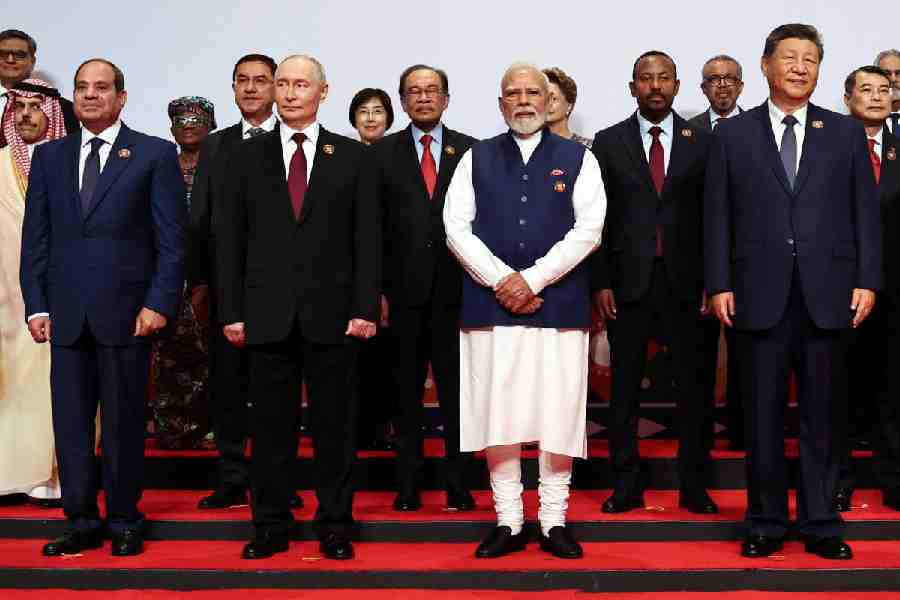
BRICS Summit Highlights Concerns Over Critical Minerals and Technology
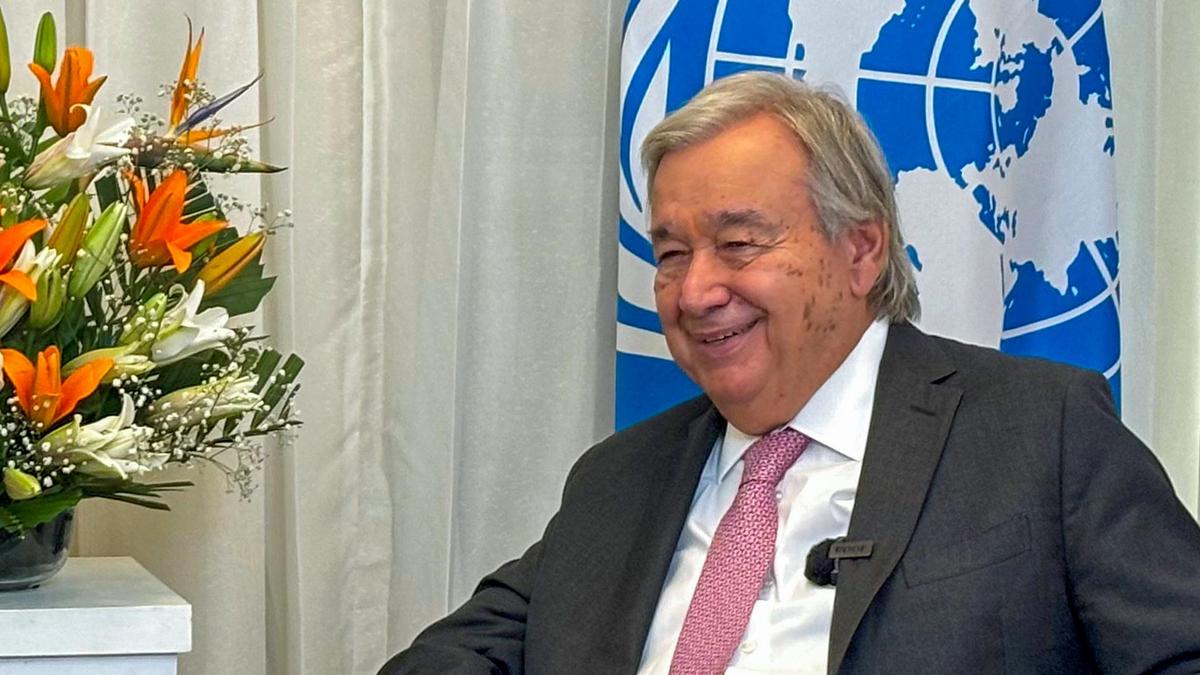
UN Secretary-General Discusses Security Council Challenges
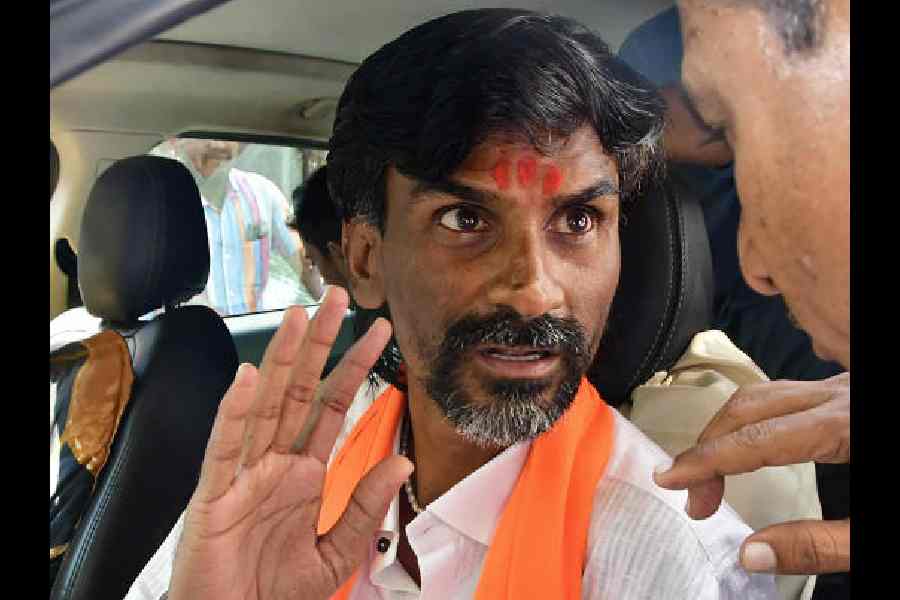
Protests Erupt Over Maratha Reservation in Maharashtra

BRICS Criticises Unilateral Sanctions Amid Economic Discussions