Trump Proposes Changes to US Childhood Vaccine Schedule


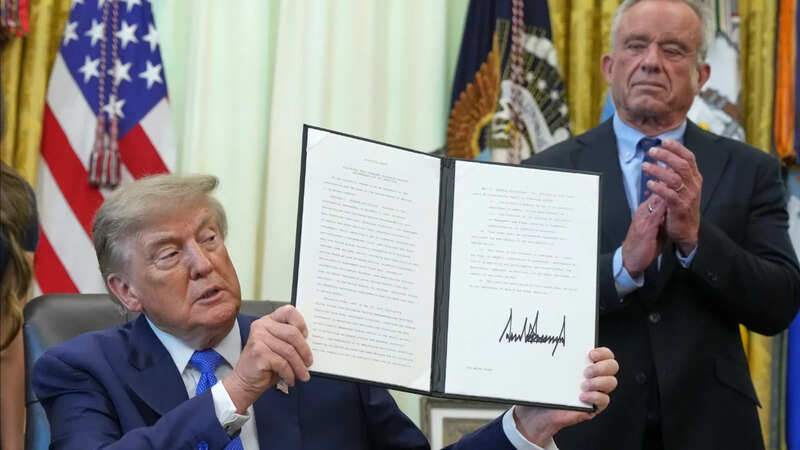
United States President Donald Trump has signed an executive order advocating for a reduction in the number of childhood vaccinations and the separation of the mumps, measles, and rubella (MMR) vaccine into individual doses. During a recent announcement in the Oval Office, Trump expressed concern about the current vaccine schedule, stating, "Decades ago, children received only a small fraction of the vaccines required today. In those times, people were much healthier, and of course, the high rates of autism now observed did not exist." Trump has consistently questioned the safety of the MMR vaccine, despite multiple studies debunking any link between vaccinations and autism. The new order proposes that the number of recommended childhood vaccinations decrease from 18 to 11, as suggested by the American Academy of Pediatrics (AAP). While the order provides guidance rather than mandatory regulations, actual vaccination requirements for school attendance are determined at the state level. The vaccinations specified in the order include those for serious diseases such as measles, mumps, rubella, diphtheria, and polio, among others. Trump added, "We're reducing them. It's not only that you're doing fewer vaccines, or jabs, as they say, but you're doing them in a series of visits to the doctor." He further claimed that administering the MMR vaccine in a single dose could be "quite lethal," likening it to pouring a bottle of soda into a child's body. When pressed for evidence regarding this claim, Trump referenced unspecified reports with no conclusive proof. The Centers for Disease Control and Prevention (CDC) highlights that while there is a minimal risk of febrile seizures associated with the MMR vaccine, for most individuals, the vaccine is considerably safer than contracting the diseases it prevents. According to the CDC, there is no credible scientific evidence supporting the idea of separating the MMR vaccine into three individual shots. Experts warn that delaying vaccinations could expose children to diseases while they await immunisations, or risk missed appointments across multiple visits. Robert F. Kennedy Jr, Secretary of Health and Human Services, suggested that the intent of these proposed modifications is to empower parents rather than restrict access to vaccines. Since his appointment in 2025, Kennedy has sought to relax vaccine regulations. During an interview on CNN, he asserted that he has "never questioned the efficacy of the MMR vaccine." Trump's executive order suggests that children in the United States would receive significantly fewer vaccinations than the previous recommendation of 72 doses, which included annual flu and COVID-19 shots. Dr Andrew Racine, president of the AAP, has characterised Trump's executive order as "dangerous" and unfounded, asserting that missing vaccinations is particularly risky given the resurgence of diseases like measles. Republican Senator Bill Cassidy, who voted to confirm Kennedy, also condemned the order, stating, "The President does not have the expertise to make these changes. Vaccines are overwhelmingly safe and effective. Vaccines DO NOT cause autism." Experts fear that promoting false narratives about vaccine safety risks the return of previously controlled diseases. A robust study from Denmark in 2019, which monitored over 650,000 children, found no link between the MMR vaccine and autism. The CDC advises that children should receive two doses of the MMR vaccine, beginning between 12 and 15 months, with a follow-up dose between ages four and six. Vaccination schedules are determined by when children's immune systems are best able to respond and when they are most vulnerable to specific illnesses, according to the AAP. There is no medical justification for delaying or foregoing recommended vaccinations. Additionally, the executive order calls for examining alternatives to aluminium in vaccines and assessing their safety and efficacy. However, studies have shown no significant health risks associated with the trace amounts of aluminium salts commonly used in vaccines. Such compounds help enhance the immune response, reducing the quantity of vaccine needed while maintaining efficacy. The AAP has stated that these substances, naturally occurring in the environment, have been utilised for decades without major issues. As discussions surrounding vaccine safety and public health continue, there remains a pressing need for clear, evidence-based communication to counter misinformation and promote the efficacy of childhood immunisations.
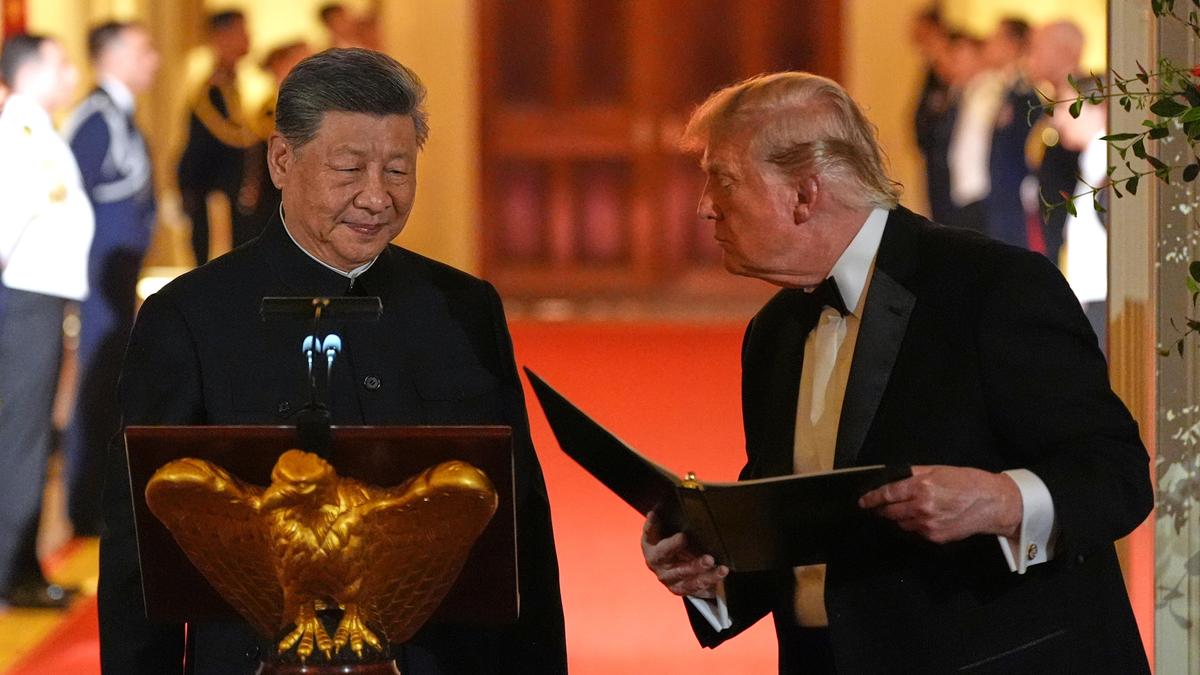
Trump and Xi Discuss Trade, AI, and Taiwan Amid Diplomatic Tensions

Xi Jinping Seeks Greater Concessions from Trump Amid Trade Talks
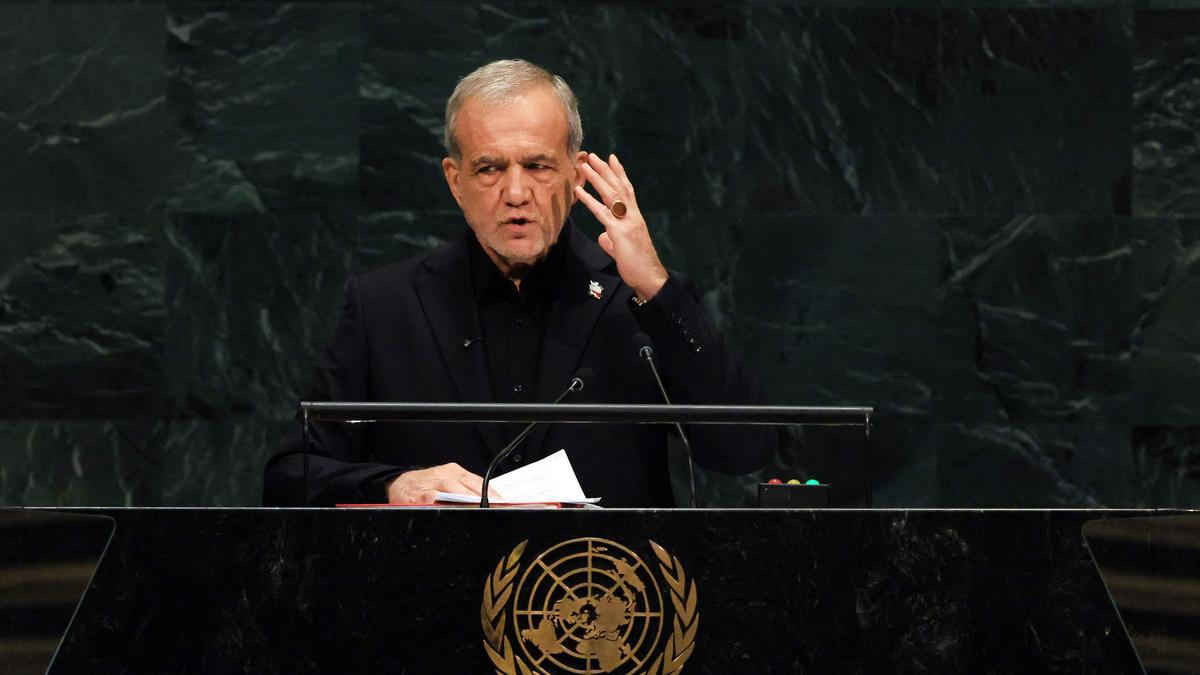
Iran's President Addresses Ongoing Conflict and External Threats
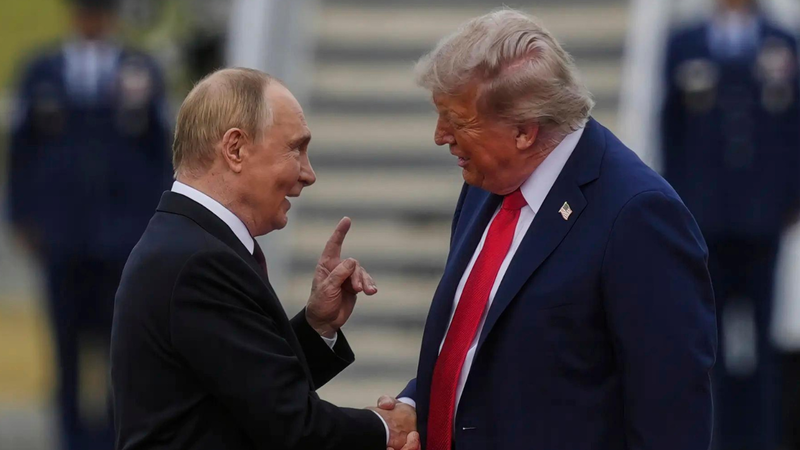
United States Invites Vladimir Putin to Miami G20 Summit