Trump Presses Netanyahu on Continued Iran Negotiations in Washington


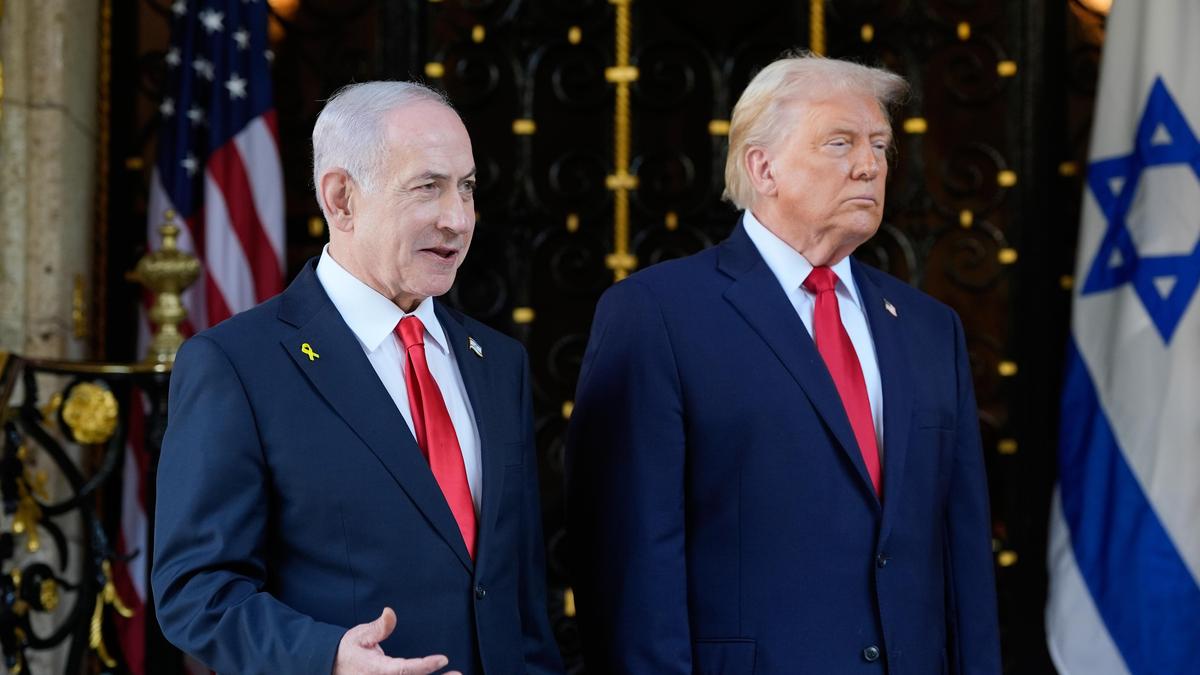
United States President Donald Trump met with Israeli Prime Minister Benjamin Netanyahu on 11 February 2026 for a closed-door discussion that lasted over two hours. This meeting, their seventh since Trump resumed office, centred on the ongoing negotiations related to Iran's nuclear ambitions. Trump emphasised the necessity of maintaining dialogue with Iran amid efforts for a potential nuclear deal.
In a subsequent post on his social media platform, Trump described the meeting as productive but noted that no concrete agreements were established. He reiterated his position, stating, “I insisted that negotiations with Iran continue to see whether or not a deal can be consummated.” Trump expressed a preference for completing a deal, stating, “If it can, I let the Prime Minister know that will be a preference.” He cautioned, however, that if an agreement was unattainable, the situation would need careful evaluation.
Trump reflected on Iran's past decisions, stating, “Last time Iran decided that they were better off not making a deal and were hit by U.S. strikes. Hopefully this time, they will be more reasonable and responsible,” emphasising the need for them to abandon their nuclear developments.
During the discussions, Netanyahu highlighted Israel's urgent security needs in the context of the negotiations and reaffirmed the importance of continuing close coordination between the two countries. His office later confirmed that they also addressed broader regional issues, including developments in Gaza. Netanyahu previously expressed to Trump his concerns regarding potential negotiations including Iran’s ballistic missile programme and its support for militant groups.
The meeting follows recent indirect talks held in Oman on 6 February, signalled by both Washington and Tehran as fostering cautious optimism. Such discussions come at a time when both nations remain apprehensive about the outcome. In an interview prior to the meeting, Trump remarked that any resultant agreement must unequivocally prevent nuclear armament and missile development by Iran.
Concerns have also been raised regarding Iran’s response if negotiations fail. US Vice President JD Vance issued a warning to Tehran, stating that alternative actions could be contemplated if a satisfactory agreement does not emerge. Vance indicated that there exists “another option on the table” while reiterating the criticality of negotiating a robust deal.
While Iran has expressed a willingness to negotiate terms concerning its nuclear program in exchange for sanction relief, it has categorically declared that discussions regarding its missile capability will not be up for negotiation. The Iranian government remains sceptical about the seriousness of the US in these renewed discussions, citing past experiences that have fostered distrust.
The context is further complicated by recent regional tensions, notably a protracted conflict that saw significant military engagements earlier in the year. An airstrike series resulted in substantial casualties on both sides, including the death of approximately 1,000 individuals in Iran and around 40 in Israel. Following this, Trump has claimed that a substantial portion of Iran’s nuclear capacity was significantly impaired. However, the true extent of damage remains uncertain, fuelling ongoing concerns.
Looking forward, Trump also mentioned prospects of strengthening peace initiatives in Gaza, planning to convene a meeting with his Board of Peace to further address and manage international crises.
The dynamics of the relationship between the US and Iran continue to be highly fluid, with additional negotiations anticipated as both countries navigate complex geopolitical landscapes.
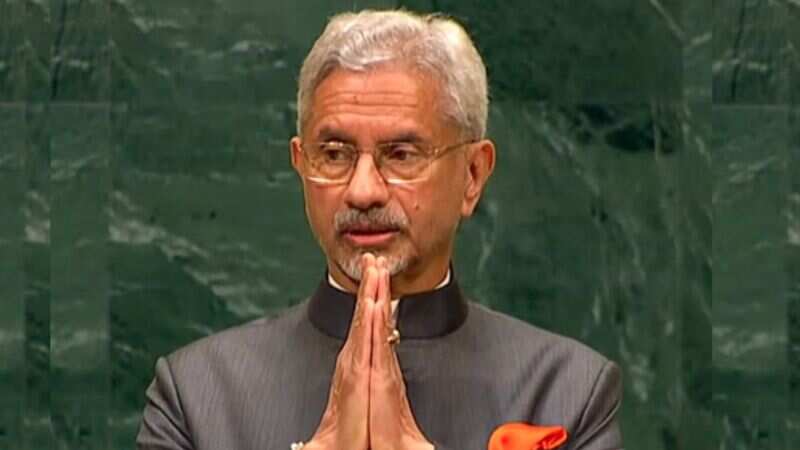
India's Jaishankar Criticises Pakistan at UN General Assembly
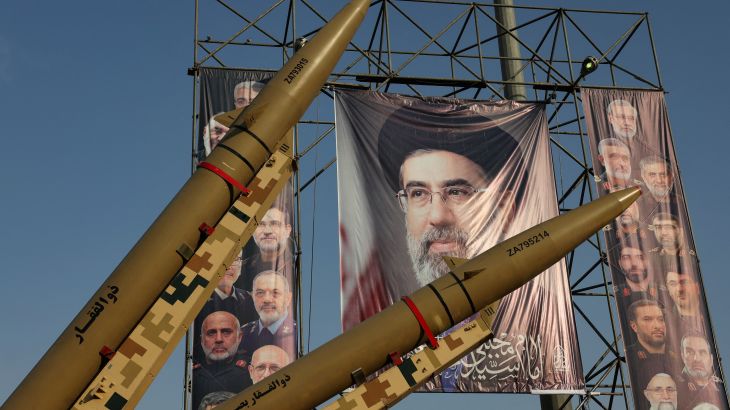
Iran Asserts Readiness for War Amid Rising Tensions in Hormuz
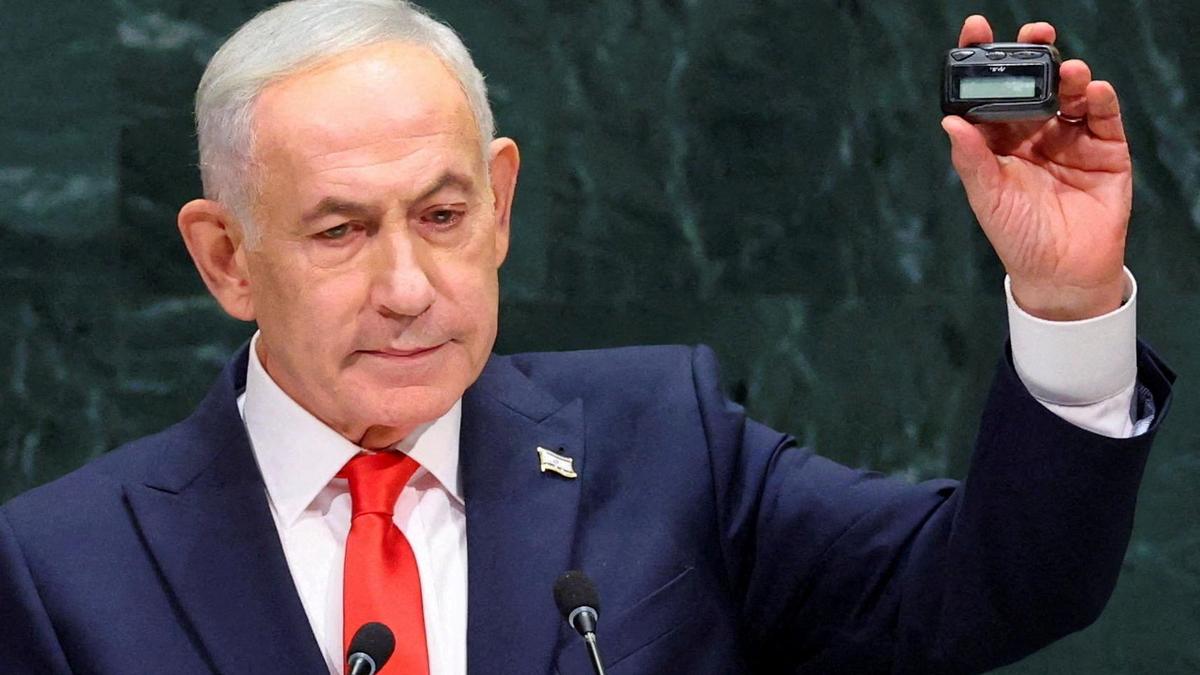
Israeli Prime Minister Netanyahu Makes Unannounced Visit to UAE

World Leaders Gather for Climate Summit, Pledges Made