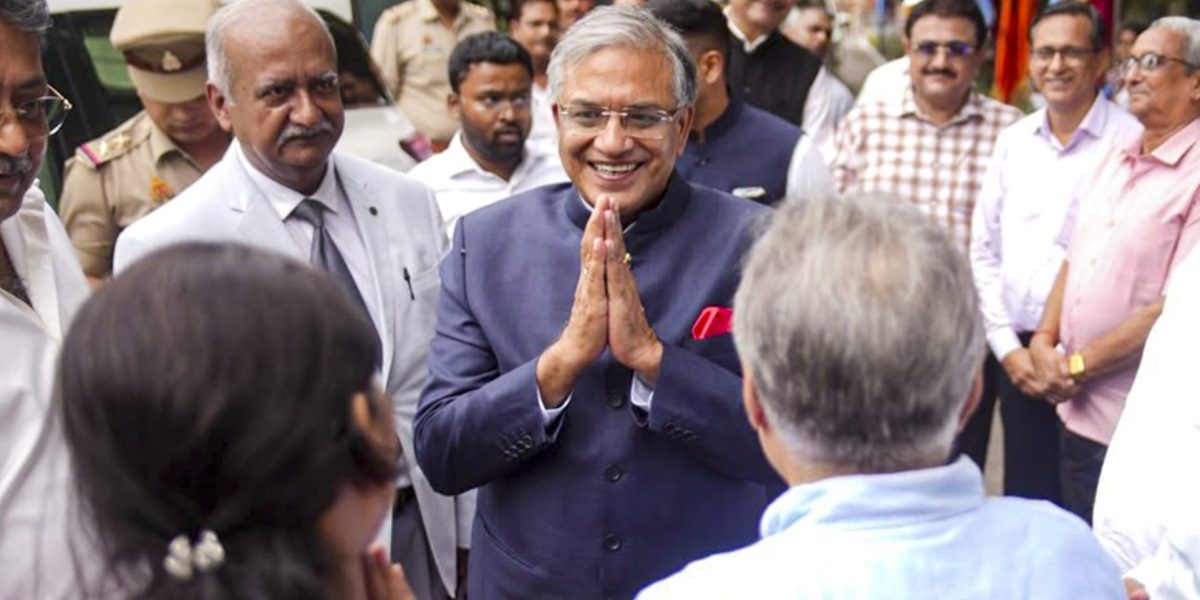
Thailand's Anutin Charnavirakul Claims Election Victory Ahead of Rivals


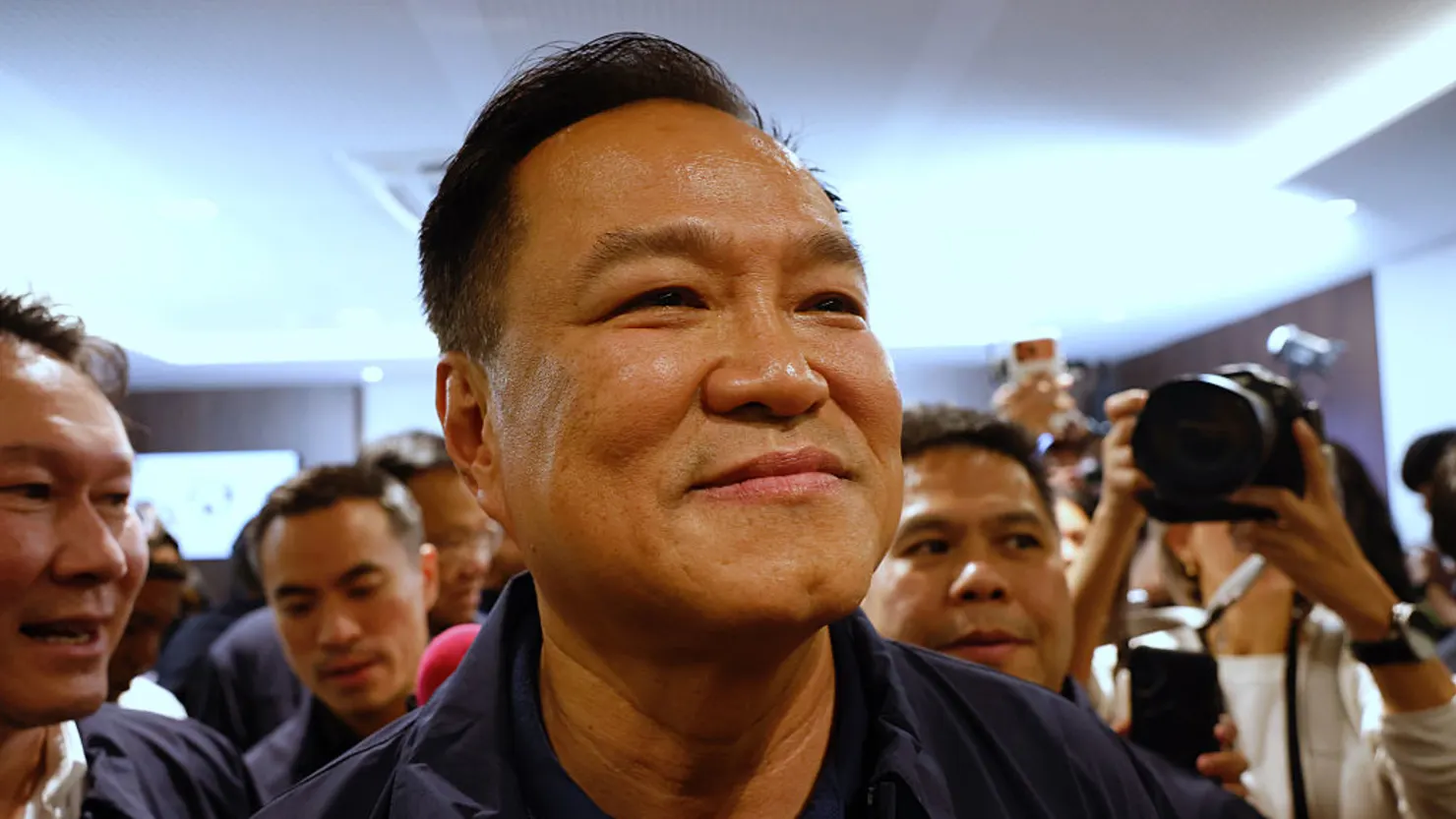
Prime Minister Anutin Charnavirakul has declared victory in Thailand’s latest general election, with preliminary results indicating a strong lead for his ruling party. Anutin stated that his achievement is for "all Thais, no matter whether you voted for us or not," as his party's success defied pre-election forecasts that predicted a lead for the reformist People's Party.
With approximately 90% of the votes accounted for, Anutin's Bhumjaithai party is projected to secure 194 seats in the 500-seat National Assembly, while the People's Party is anticipated to gain 116 seats. The leader of the People's Party, Natthaphong Ruengpanyawut, has appeared to concede defeat, expressing willingness to serve in opposition if Anutin is able to establish a government.
The election was triggered in December following the collapse of the coalition led by Anutin after a mere three months. No party is expected to obtain a clear majority; however, Anutin is now poised to continue in office, with the Bhumjaithai party anticipated to more than double its previous seat count from the 2023 election.
Elections in Thailand historically yield unpredictable outcomes, and this occasion was no exception. The outcome has proven disappointing for the People's Party, which had aimed to build on its success from three years ago. The anticipated surge of support for its youthful candidates, dubbed an "orange wave," did not manifest, resulting in its relegation to the second position by Anutin’s pragmatic conservatives.
The People's Party, previously known as Move Forward, had won the 2023 election but was not allowed to take power due to opposition from the unelected Senate. Thus, for the time being, the reformists will remain in opposition, averting the potential crisis that could have ensued had they won again but faced a similar barrier to governance.
Opinion polls have often proven to be inaccurate in Thailand, paving the way for considerable post-election analysis regarding Anutin’s ability to elevate his once minor Bhumjaithai party—translated as "Thai Pride"—into a formidable electoral force. Anutin’s campaign touched on themes of patriotism, especially following two short border conflicts with Cambodia last year, positioning his party as a defender of traditional institutions like the monarchy and military.
He has been credited with adopting hard-line nationalist rhetoric and populist policies, but his electoral success can also be attributed to his knack for bringing local power-brokers on board. In the electoral system employed, 80% of seats are determined through individual constituency votes based on a first-past-the-post mechanic, while the remaining 20% are distributed according to national vote proportions.
The People's Party performed better in proportional votes but appeared to have lost ground compared to their previous performance in 2023, struggling to overcome the lack of local networks. The Pheu Thai party, associated with the influential Shinawatra family, is projected to win 86 seats—representing a significant drop from its prior election result.
In previous elections, Pheu Thai successfully capitalised on appealing populist policies but has since seen its reputation tarnished by accusations of mismanagement in the Cambodia conflict and the imprisonment of former Prime Minister Thaksin Shinawatra last September.
Economic conditions weighed heavily on voters' minds, with household debt reaching historic highs and growth lagging behind previous rates. One voter, civil servant Phananya Bunthong, highlighted the need for economic improvement, expressing concern over potential factory relocations to neighbouring nations like Vietnam.
The People's Party had campaigned on promises to reform power structures among influential businesses and the military, simplify bureaucratic processes, and modernise education. Notably popular with younger voters, the party's radical agenda faced challenges appealing to older demographics and rural voters, who seemed more receptive to the straightforward financial assistance pledges put forth by Anutin’s party.
In conjunction with the elections, a referendum on reforming the 2017 constitution was held, a charter shaped during military governance. Critics contend that the constitution grants excessive power to unelected bodies, which they claim undermines democratic representation. With over 90% of votes already counted, early results indicated that approximately 65% of voters backed the proposed reforms.
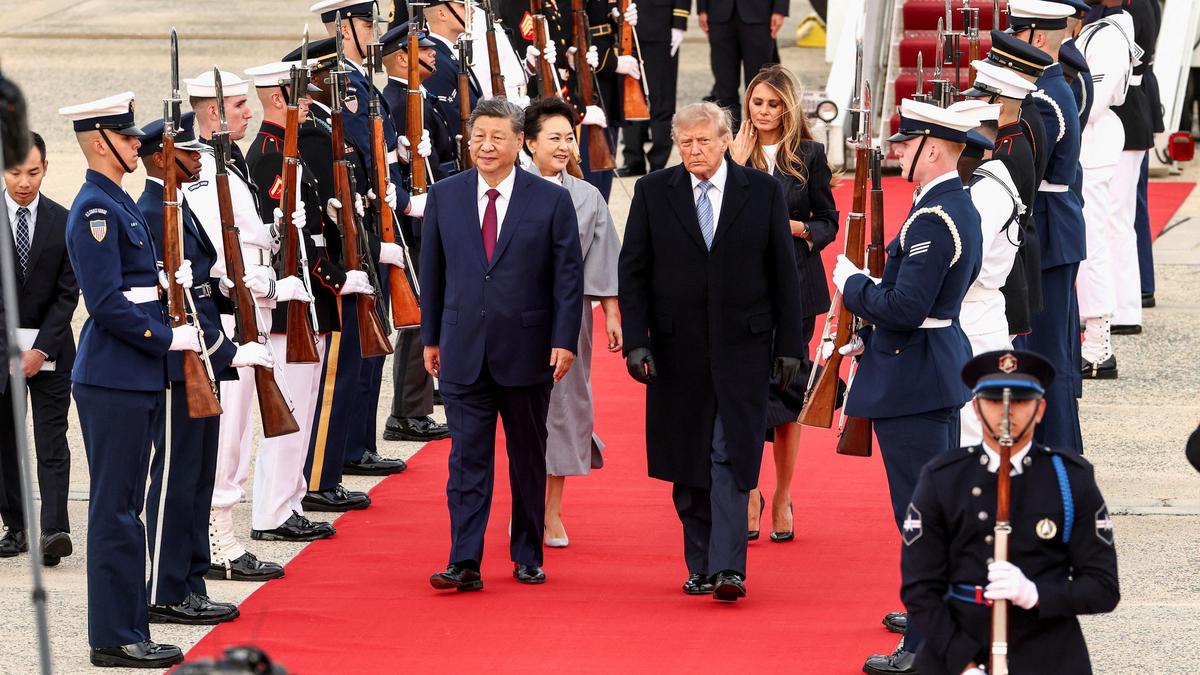
Chinese President Xi Jinping Begins State Visit to Washington
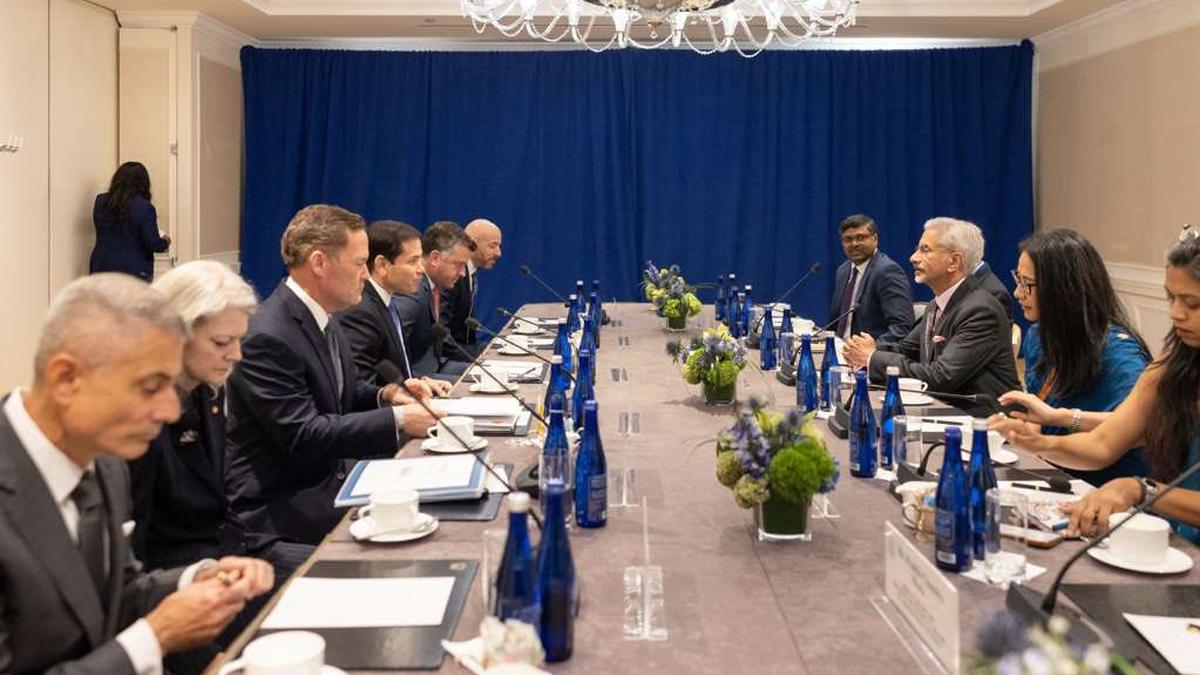
Jaishankar Discusses US Tariff Concerns with Secretary Rubio
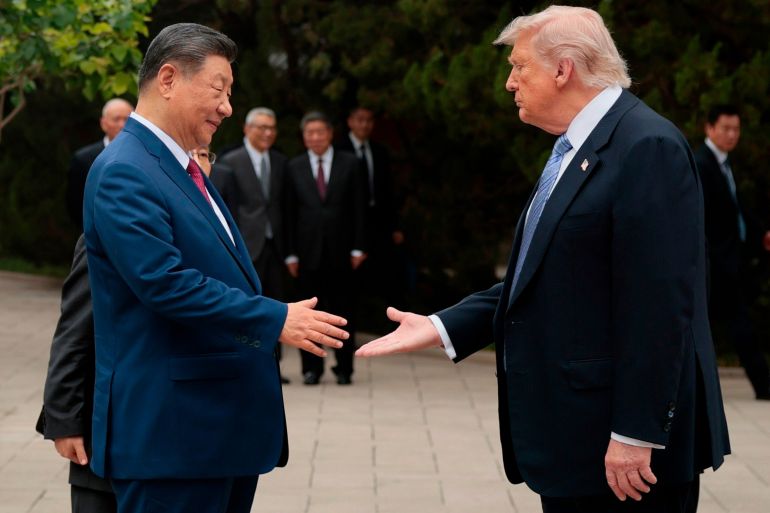
US and China Leaders Discuss AI Rivalry Amid Global Concerns
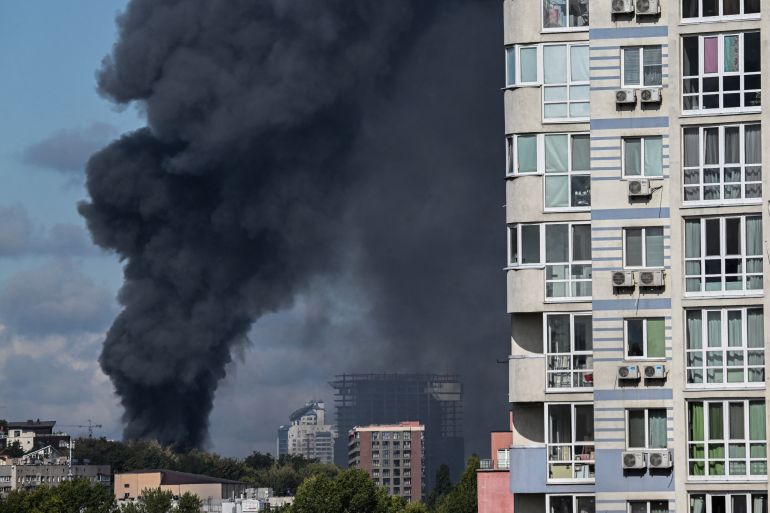
Russian Drone Strikes Kyiv, Donetsk Following Zelenskyy-Trump Talks