Trump Labels Canada's EU Associate Membership Bid 'Hostile Act'


U.S. President Donald Trump has declared that Canada’s move to become an associate member of the European Union could be regarded as a 'hostile act'. In response, he has threatened to impose tariffs or limit trade with Europe. This development follows a series of events that have heightened tensions in the Canada-U.S. trade relationship.
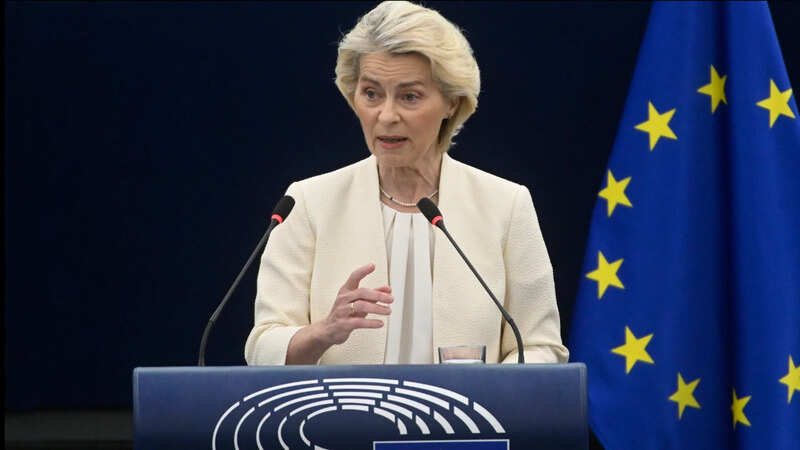
During a press briefing, Trump stated, 'If it’s a good intention, that’s fine. If it’s a bad intention, we’ll put very heavy tariffs on Europe.' The comments were made shortly after European Commission President Ursula von der Leyen proposed that Canada could become the bloc's first associate member in a bid to enhance cooperation on issues such as technology, defence, and energy.
Trump has previously labelled Canada a 'terrible trade partner', describing discussions of its potential associate membership with the EU as 'laughable'. These remarks coincided with the signing of a presidential memorandum aimed at identifying and removing Canadian-origin goods from U.S. federal procurement processes. The U.S. President communicated concerns that Canadian products accounted for over $50 billion annually in U.S. federal contracts, calling it a 'Canadian Trade Scam'.
Meanwhile, Canadian Conservative Leader Pierre Poilievre has raised alarms regarding discussions led by Prime Minister Mark Carney about deepening ties with the EU, suggesting that the issue has been shrouded in secrecy. During a Conservative caucus meeting in Penticton, British Columbia, Poilievre criticised Carney for not being transparent and declared that Canada must remain 'independent'. He further emphasised that any agreement with the EU should not impose European Union taxes or laws on Canada.
Canada's Ambassador to the EU, Jonathan Wilkinson, stated that while negotiations for a closer relationship with the EU are ongoing, official terms have yet to be established. He reiterated a commitment to solidifying these arrangements without hastily labelling them.
In a broader context, the proposition from the EU is seen as a strategic move to enhance cooperation amid shifts in global political landscapes and trade dynamics, especially in light of recent tensions between the United States and both Canada and the EU. Both sides now face renewed scrutiny from observers regarding the implications of these negotiations for Canadian sovereignty and trade autonomy.
As the situation unfolds, analysts are curious about how Canada will navigate these diplomatic waters while addressing domestic priorities, particularly in light of rising living costs and trade disputes stemming from U.S. policies.
In conclusion, the recent statements from Trump and the ongoing discussions between Canada and the EU signal significant potential changes in the geopolitical landscape, raising questions about economic alliances and national policy direction in the face of international pressures.

Federal Reserve Increases Interest Rate for First Time in Three Years

India Announces Squads for Upcoming White-Ball Series Against West Indies

Cardiovascular Changes in Women May Start 20 Years Before Menopause

India Clarifies Bangladesh PM's BRICS Invitation Amid Confusion