Thai King Maha Vajiralongkorn Visits China to Strengthen Ties


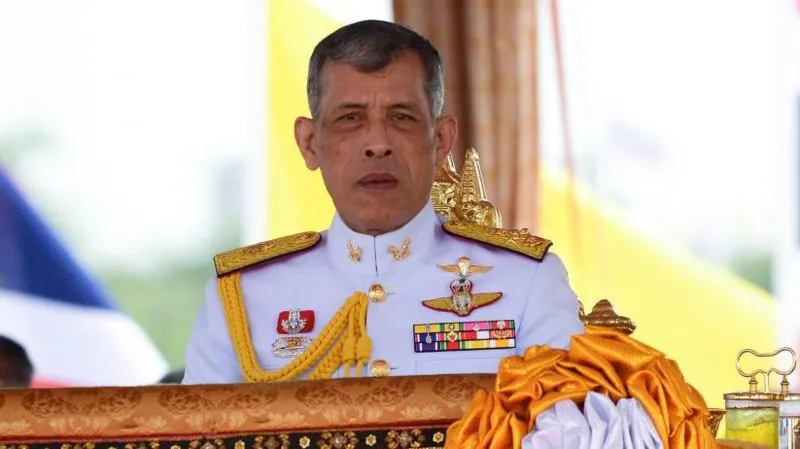
King Maha Vajiralongkorn of Thailand arrived in China on Thursday, marking a significant moment as he becomes the first reigning Thai monarch to undertake an official visit to the country. The visit comes at the invitation of Chinese President Xi Jinping and coincides with the 50th anniversary of diplomatic relations between Thailand and China, which were established in 1975.
This historic trip underscores the longstanding friendship and mutual respect shared between the two nations, according to a statement issued by the Thai government.
During his stay in Beijing, King Vajiralongkorn and Queen Suthida are scheduled to visit several notable sites, including the Lingguang Buddhist Temple and the Beijing Aerospace City, as part of their itinerary. In addition, President Xi and his wife are expected to host a state banquet in honour of the Thai royals.
This visit is particularly noteworthy as it represents the first major international trip by King Vajiralongkorn since his ascension to the throne nine years ago. Earlier this year, he also travelled to Bhutan; however, his father, the late King Bhumibol Adulyadej, engaged in numerous high-profile tours during his reign, including visits to the United States in the 1960s when Thailand was a key ally during the Cold War.
While Thailand maintains a formal military alliance with the United States, relations with China have strengthened in recent years. This shift has been influenced by various factors, including criticisms from the United States regarding human rights issues in Thailand, tariffs enacted under former President Donald Trump, and a growing perception that the US is less committed to its alliances in the region.
China is currently Thailand’s largest trading partner and is increasingly seen as a competitive alternative to the US, particularly in the domain of military supplies. Many Thai citizens have ancestral ties to China, further solidifying the familial connection between the two countries.
Earlier this year, the Thai government faced international scrutiny when it deported 40 Uyghur asylum-seekers back to China, ignoring warnings from US officials. Additionally, an art exhibition in Bangkok featuring Uyghur and Tibetan artists was censored due to objections from Chinese diplomats, reflecting the delicate balance Thailand maintains between its relations with the two powers.
Despite the absence of previous royal visits, the Thai monarchy has been instrumental in fostering Thailand-China relations, particularly through the efforts of Princess Sirindhorn, King Vajiralongkorn's sister. Princess Sirindhorn has devoted over four decades to studying Chinese art and language and has frequently visited China, reinforcing cultural ties.
As Thailand continues to navigate its diplomatic landscape, the significance of King Vajiralongkorn's visit to China cannot be overstated, as it sets a precedent for future royal engagements and underscores the evolving dynamics of international relations in the region.
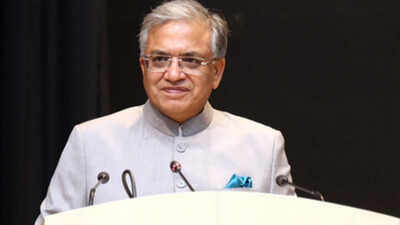
Kerala Initiates Probe into 2006 Suicide Case Involving CEC
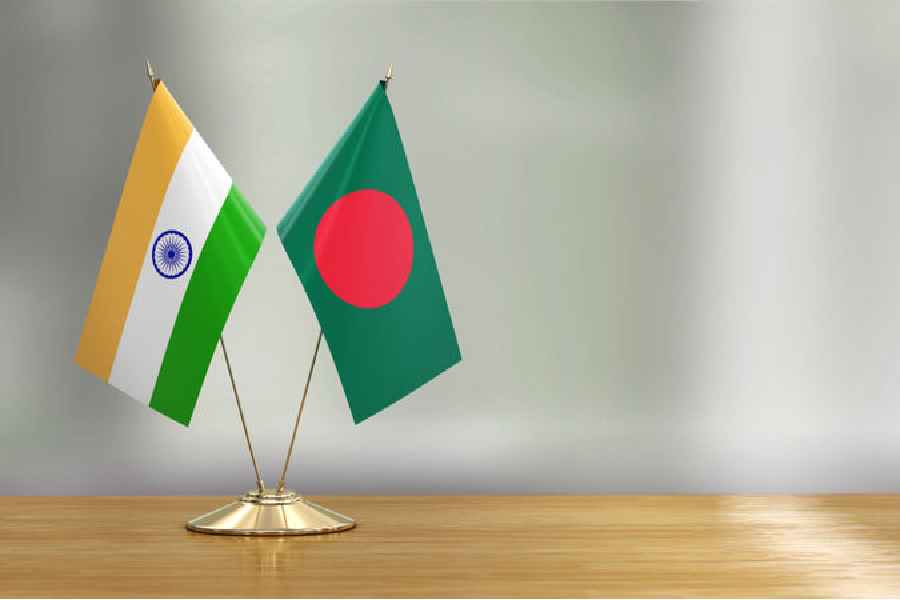
Extradition of Sheikh Hasina Feasible, Says Indian High Commissioner

Punjabi Makeup Artist Mad Sandhu Shot Dead in Amritsar

India Achieves Fourth Place at Asian Games 2026 Through Late Success