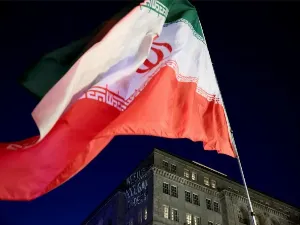
Tensions Rise as Israel Considers Action Against Iran Amid Ongoing War


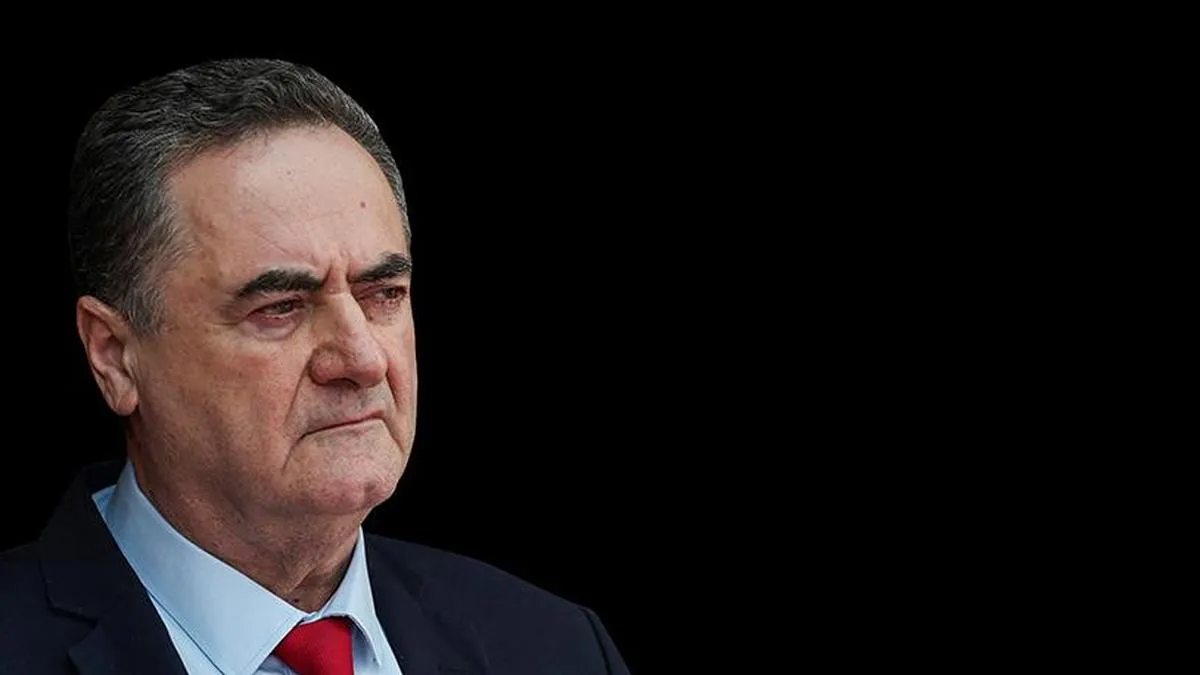
On 30 April 2026, Israeli Defence Minister Israel Katz announced that Israel may need to engage in further military action against Iran to prevent the country from becoming a renewed threat. Katz highlighted that United States President Donald Trump is collaborating with Israeli Prime Minister Benjamin Netanyahu to ensure that Iran does not jeopardise the security of Israel or the wider free world in the future.
Iran's Parliament Speaker, Mohammad Bagher Ghalibaf, responded by asserting that Iran's control over the strategic Strait of Hormuz would pave the way for a future without American influence in the region. In a social media post, Ghalibaf stated, "Today, by managing the Strait of Hormuz, Iran will provide itself and its neighbours with the precious blessing of a future free from American presence and interference."
Iranian Supreme Leader Mojtaba Khamenei reinforced this sentiment in a written statement, asserting that the only place for Americans in the Persian Gulf is “at the bottom of its waters” and proclaiming that a new chapter is being written in the region's history.
Meanwhile, efforts by Pakistan to mediate in the ongoing conflict were reported. A spokesperson for Pakistan's Foreign Office, Tahir Andrabi, mentioned that the nation is in discussions with the United States and Iran to bring an end to the hostilities. He stated, “We are in contact with the relevant parties on the matter. Regarding negotiations, both new and old proposals are on the table. We hope peace will prevail.”
In economic developments, oil prices surged by over 5% to reach a four-year high, while the stock markets experienced a downturn following Trump's warning that a U.S. blockade could extend for months. Trump cautioned Tehran to respond favorably to U.S. demands on its nuclear programme, suggesting that increased pressure is a potential outcome of ongoing military tactics.
Hope for improved shipping activity in the region was signaled by the movement of the LNG carrier Umm Al Ashtan, which successfully navigated towards the Strait of Hormuz. This vessel, which had been stationary after unloading its cargo in India, may cross the strait on 1 May before arriving at Das Island, an LNG terminal in the United Arab Emirates.
The Israeli military confirmed the death of a soldier during clashes in southern Lebanon, marking the fourth such fatality since a ceasefire began earlier in April. Sergeant Liem Ben Hemo, aged 19, was reported killed, bringing the total number of Israeli soldiers lost since the combat began against the Iran-backed Hezbollah on 2 March to 17, along with one civilian casualty linked to the army.
In the broader context of the conflict, UN Secretary-General Antonio Guterres issued warnings about the detrimental effects on the global economy due to the ongoing war, particularly with the Strait of Hormuz in a critical state of closure. Guterres stated that even if the blockades were lifted promptly, recovery of supply chains would be protracted, leading to prolonged economic hardship and elevated prices for consumers globally.
The dynamics in the region continue to evolve rapidly, with significant implications for international relations and global markets as both Israel and Iran assert their respective positions amidst the ongoing conflict.
US Alerts on Chinese and Russian Space Threats in Global Security
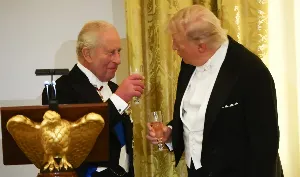
US President Hosts State Dinner for King Charles and Queen Camilla
Trump Warns Iran Amid Stalled Nuclear Talks and Ongoing Conflict
FCC Orders ABC to Renew Licenses After Kimmel's Melania Joke