India's SHANTI Bill Approved Amid Opposition Criticism


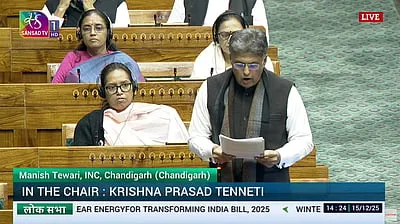
New Delhi: The Lok Sabha approved the Sustainable Harnessing and Advancement of Nuclear Energy for Transforming India Bill, commonly known as the SHANTI Bill, on December 17, 2025. This legislation allows private participation in the civil nuclear sector, a significant shift from previous policies that restricted this area to government entities.
During the debate, senior Congress Member of Parliament Manish Tewari expressed strong opposition to the bill, arguing that it undermines India's energy independence and clean energy objectives. He highlighted concerns regarding the nuclear liability regime, which he claimed deviated from a consensus established in 2010 that held suppliers accountable for nuclear accidents. Tewari stated that the new provisions do not adequately protect against potential liabilities arising from foreign suppliers of nuclear technology.
"If a nuclear accident occurs, shouldn't the supplier be liable?" Tewari questioned, emphasising the importance of maintaining robust regulatory frameworks to protect India's interests. He called for the bill to be reviewed by a Joint Parliamentary Committee, citing the need for further clarity on the role of the Atomic Energy Regulatory Board in the context of private sector involvement.
The SHANTI Bill, introduced by Minister of State for Atomic Energy Jitendra Singh, aims to facilitate substantial growth in nuclear energy production, aiming for a target of 100 gigawatts of nuclear capacity by 2047. The bill includes new safety protocols and establishes a dedicated tribunal for resolving disputes related to nuclear operations. While private players will be permitted to operate nuclear facilities, key activities such as uranium enrichment and spent fuel management will remain under government control.
Critics of the bill, including members from the Trinamool Congress and the Samajwadi Party, echoed Tewari's sentiments, demanding an increase in the liability cap, which is currently set at $410 million. They argued that this figure is insufficient compared to the historical compensation awarded for the Bhopal gas tragedy, which amounted to $470 million. The opposition's concerns were compounded by the bill's exemption of government-operated nuclear facilities from insurance requirements, raising questions about accountability in the event of a disaster.
The passage of the SHANTI Bill was marked by a walkout from opposition members who expressed their dissatisfaction with the government's approach. Despite the dissent, the ruling Bharatiya Janata Party remains committed to the bill, which it views as a necessary step towards modernising India's nuclear energy framework and attracting investment in the sector.
As the bill moves forward, stakeholders from various sectors are keenly observing the implications of this legislative change on India's nuclear energy landscape, particularly regarding safety, liability, and the role of private entities in a historically state-controlled domain. The government aims to position India as a significant player in the global nuclear energy arena while addressing domestic energy needs and climate commitments.
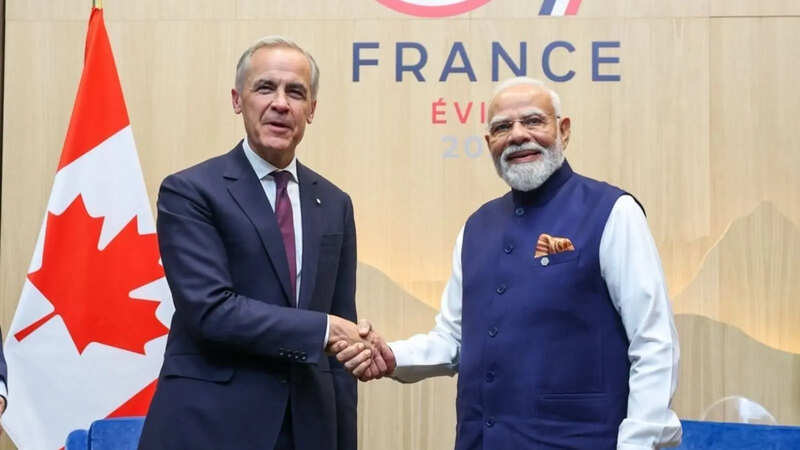
Canada and India Accelerate Trade Talks Ahead of December Visit

Delhi University Students Express Concerns Over Safety After Assault
Legal Dispute Arises Over 'Vande Mataram' in Supreme Court Hearing

Impact of Trump's Tariff Law on India's Oil Imports and Trade