Tensions Escalate as Pakistan Strikes Afghan Targets After Attacks


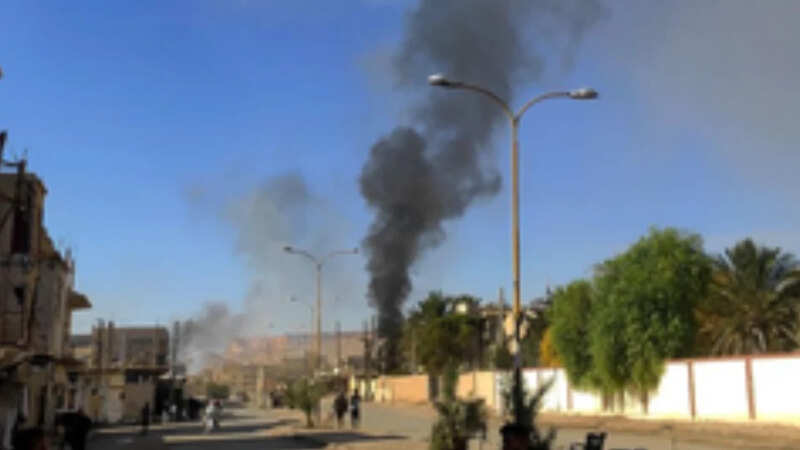
Tensions between Islamabad and Kabul have intensified following a series of drone attacks that Pakistan has attributed to militants based in Afghanistan. In response, the Pakistani military launched airstrikes targeting ten locations across the Afghan border. This escalation underlines the ongoing security challenges faced by both countries in a region already plagued by instability.
The drone attacks reportedly originated from within Afghanistan, raising concerns for Pakistani authorities about the safety of their territorial integrity. The precise details about the attacks, including casualties or damage, have not been officially confirmed. Both governments have previously accused each other of harbouring terrorists and failing to control militant flows across their shared border.
Pakistan's military spokesperson stated, "We are committed to securing our borders and addressing the threats posed by terrorists. We will take necessary actions to ensure the safety of our citizens." The military's operation reflects a broader strategy to counter perceived threats from militant groups operating in Afghanistan. This includes groups that Pakistan believes are responsible for violent incidents within its territory.
The strained relationship between the two nations is compounded by historical grievances, mutual distrust, and differing approaches to counterterrorism. While the Taliban regime in Afghanistan asserts it is focused on maintaining security, neighbouring countries remain sceptical. Islamabad has constantly voiced concerns regarding cross-border terrorism, claiming that Afghan-based groups frequently launch assaults into Pakistani territory.
As analysts observe, the current situation poses risks not just to bilateral relations but to regional stability as well. Continued military action could escalate into a more profound conflict, impacting civilians and potentially drawing in other regional players.
Amid these developments, diplomatic dialogues have been intermittent. Analysts suggest that mechanisms for peaceful negotiations remain crucial to de-escalate rising tensions. International observers have voiced their concerns over the humanitarian implications that conflict could entail for the local population, especially as Afghanistan grapples with economic challenges and humanitarian needs.
The situation may develop further, depending on responses from both governments and any external influences that may come into play as international stakeholders continue to monitor the evolving landscape.
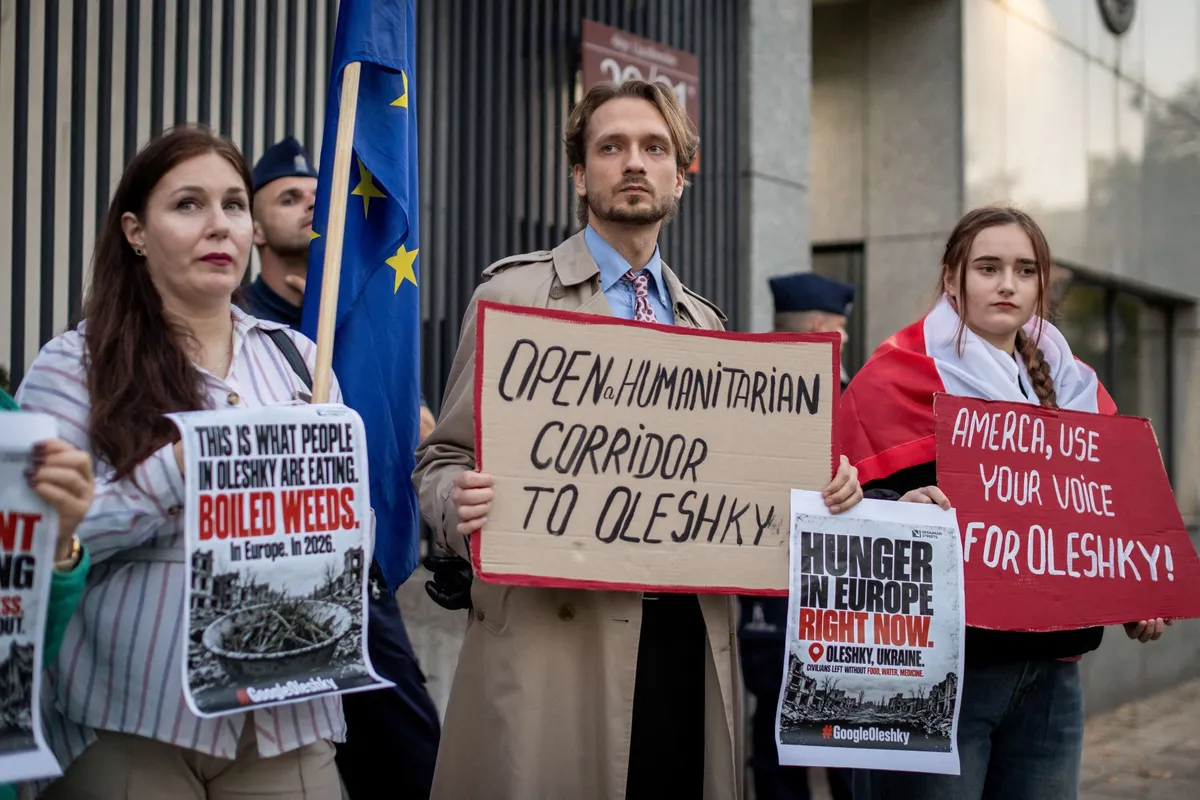
Ceasefire Agreed in Oleshky Amid Ukraine's Humanitarian Crisis
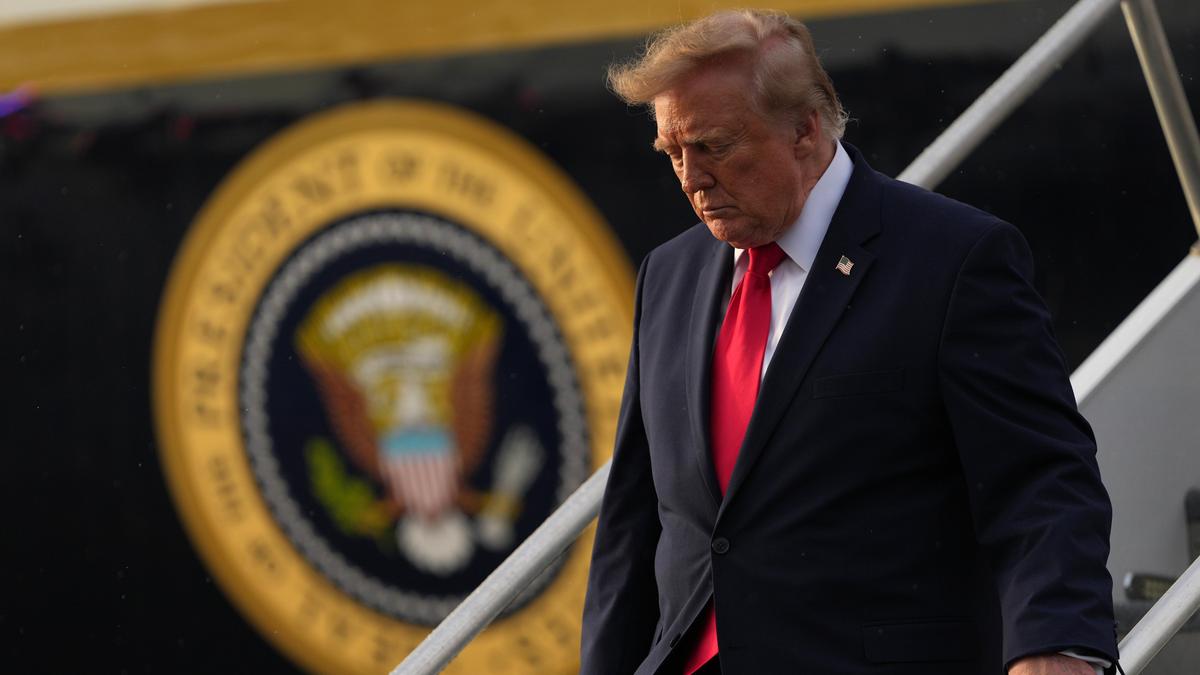
Donald Trump Hints at US Interest in Cuba After Conflict in Iran
UK Court Rules Against India in RAKIA Investment Dispute
India Raises Concerns Over Chinese Border Patrolling Deviations