Taslima Nasreen Comments on Protests and Political Unrest in Bangladesh


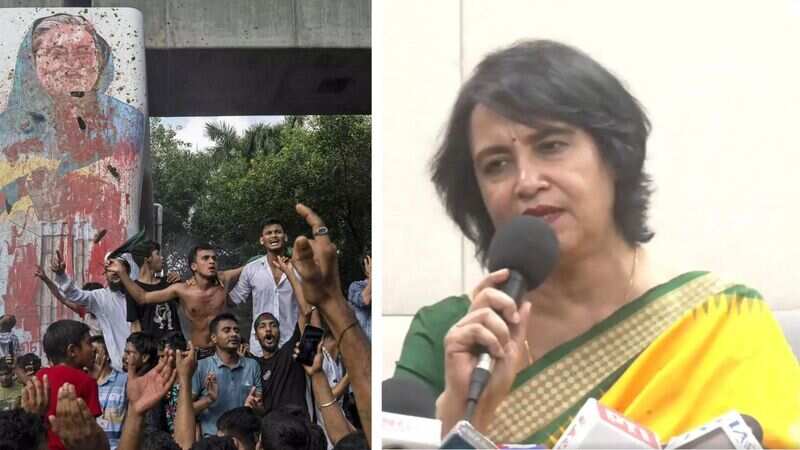
Exiled Bangladeshi author Taslima Nasreen drew attention on Sunday to the Cockroach Janta Party's (CJP) recent protests in Delhi, suggesting similarities with the 2024 protests that led to the ousting of former Prime Minister Sheikh Hasina in Bangladesh. Speaking at a press conference in Kolkata, Nasreen emphasised that the developments in her home country serve as a cautionary tale. "What is happening here is reminiscent of the July student movement in Bangladesh. People were misled. The outcome in Bangladesh has not been favourable. Jihadis have seized control there," she stated.
The 2024 protests in Bangladesh, which were led by students, arose from a contentious job quota system but later morphed into a broader anti-government movement. This culminated in Sheikh Hasina fleeing the country after weeks of turmoil. Subsequently, Nobel laureate Muhammad Yunus took over as head of an interim government. Since then, Bangladesh has experienced significant political instability, particularly impacting minority groups such as Hindus, who have raised ongoing concerns regarding attacks on their communities.
Nasreen reported a deterioration in the conditions for Hindus under the interim government, claiming, "Hindus faced persecution during Hasina's rule, but conditions have worsened under the Yunus administration." She attributed this decline to a combination of inadequate education and the rising influence of religious institutions. Advocating for secular reforms, Nasreen insisted that religion should be separate from state affairs. She critiqued the madrasa education system, alleging that it fosters communal beliefs, and encouraged a shift towards secular education instead.
Nasreen also expressed her support for a Uniform Civil Code, advocating for uniformity in law across India, Bangladesh, and Pakistan to secure equal rights, especially for women. During the press conference, she voiced her backing for the imprisoned Hindu monk Chinmoy Krishna Das, mentioning that she and others protested against his incarceration.
When asked about the situation of political opposition in Bangladesh, Nasreen suggested it would be preferable for the Awami League to remain the primary opposition party rather than Jamaat-e-Islami. She opposed any attempts to ban the Awami League and stated that Sheikh Hasina should be allowed to return to Bangladesh despite her previous government policies.
On the disruptions she encountered during her felicitation at Kolkata's Rabindra Sadan, where prominent Bengali poet Joy Goswami was denied the opportunity to address the event, Nasreen stated, "It was a humiliation not just for Joy Goswami but also for me. I had invited him, and differences in political ideologies should not impede free expression." She added that she intends to visit Goswami at his home.
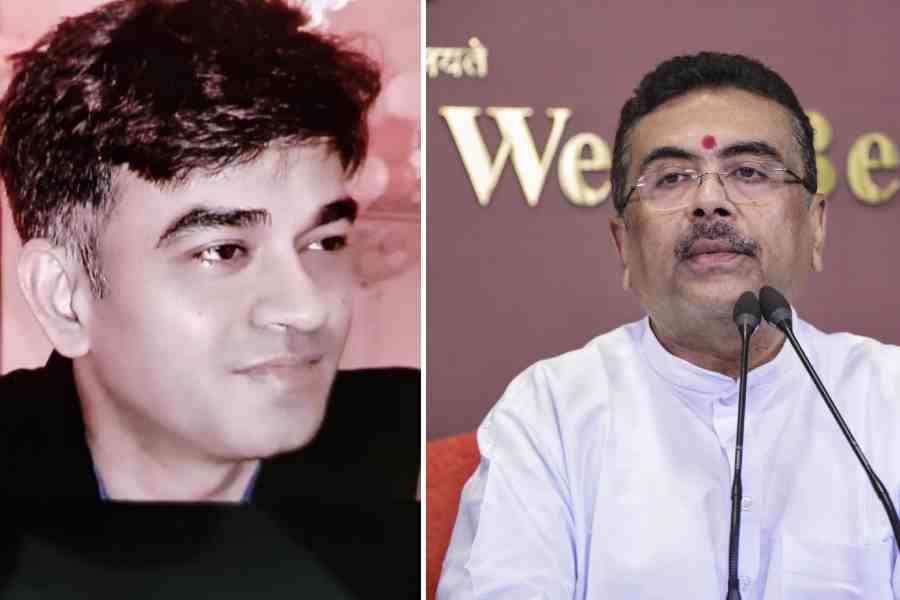
Reflecting on her experiences with varying governments, Nasreen noted, "One government barred me, another expelled me, and a third invited me," referring to the Left Front, the Trinamool Congress, and the Bharatiya Janata Party. She thanked West Bengal Chief Minister Suvendu Adhikari for his assurances regarding her safety during her Kolkata visit.
Ending on a hopeful note, Nasreen spoke about the importance of fostering better relations between India and Bangladesh, acknowledging India’s significant role in Bangladesh's liberation during 1971. She emphasised the need for both nations to maintain amicable ties.

US House Advances Bill Allowing Tariffs on Nations Buying Russian Oil

Meta to Report Child Sexual Abuse Material to Indian Authorities
India Clarifies Bangladesh PM's BRICS Invitation Amid Confusion
Odisha Government Denies Premature Release of Dara Singh