Tamil Nadu Faces Bird Flu Alert After Deaths of 1,500 Crows


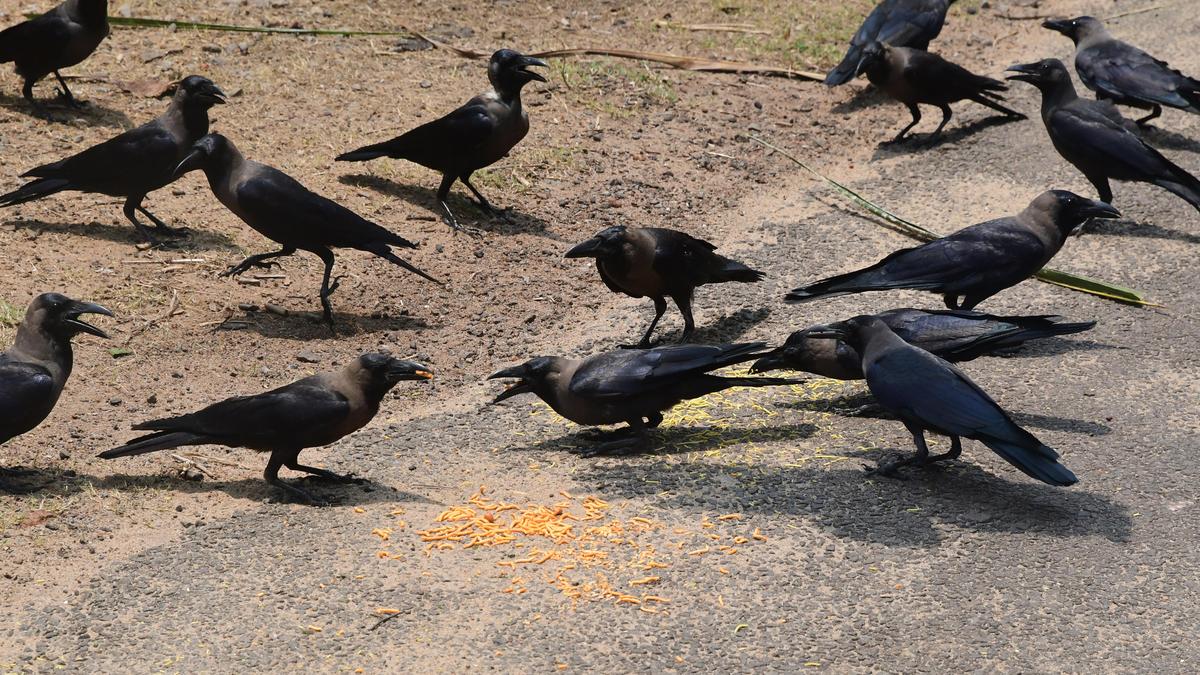
In Tamil Nadu, authorities are responding to a serious avian influenza alert following the deaths of over 1,000 crows in Chennai. Tests have confirmed the presence of the highly pathogenic H5N1 virus among the birds, prompting officials to implement statewide monitoring measures to curb potential transmission to poultry or humans.
The sudden mortality was first observed between late January and early February, with municipal workers receiving numerous complaints regarding birds falling from trees in several areas including Adyar and Velachery. The deaths have raised concerns, leading to the quick response from health and veterinary officials. Reports estimate that between 1,000 and 1,500 crows have died in the region in a short time frame.
The situation mirrors recent outbreaks elsewhere in India, including eleven reported outbreaks on farms in December 2025, as noted by the World Organisation for Animal Health (WOAH). Prior to this, a bird flu outbreak caused the closure of a zoo in Delhi in September 2025. As a result of these incidents, Tamil Nadu has put disease surveillance protocols into action statewide, with additional advice issued from the Union government to monitor poultry farms and maintain biosecurity measures.
Health Minister Ma Subramanian has stated that precautionary measures are already in place, emphasising that the public need not panic. “Surveillance has been intensified, and both veterinary and public health teams are monitoring the situation closely,” he stated.
No human infections have been reported thus far, and health authorities have reiterated that transmission of the virus to humans is rare. However, it generally occurs through direct contact with infected birds or their carcasses. Residents are advised to avoid handling dead birds, ensure that poultry products are properly cooked, and report any unusual bird deaths to the relevant authorities immediately.
Supriya Sahu, the State Health Secretary, confirmed that coordinated actions are underway across Tamil Nadu. She explained, “All districts have been instructed to strengthen surveillance, report bird mortality immediately, and ensure biosecurity measures in poultry farms and markets.”
The alarming rate of crow deaths has understandably unsettled local residents. R. Kannan, a Thiruvanmiyur resident, expressed concern, stating, “We began noticing dead crows on the roadside for several days, and people were worried because it happened so suddenly.”
Veterinary experts indicate that wildlife mortality is often a significant early warning sign. High death rates among wild birds can suggest that a virus is circulating, providing authorities with a critical opportunity to intervene before more significant impacts are seen in commercial poultry operations, which are vital in the state’s economy.
Tamil Nadu's avian influenza management tactics have typically differed from those used in northern and eastern states, which frequently face larger outbreaks in poultry. Traditionally, precautionary responses by Tamil Nadu have been triggered by alerts from neighbouring regions or isolated incidents detected among wild birds. Surveillance in the state often intensifies in border districts and major poultry production centres like Namakkal, which is one of the largest egg-producing areas in India.
This geographical context poses a heightened risk, as the Tamil Nadu-Kerala border is a significant ecological and commercial zone where poultry trade occurs freely. Additionally, migratory birds play a crucial role in the transmission of avian influenza. The coastal wetlands and urban water bodies around Chennai are situated along important migratory routes, which can facilitate the spread of viruses to local domestic bird populations.
Consequently, monitoring efforts have been strengthened across poultry farms, hatcheries, live-bird markets, and wetlands in Tamil Nadu. Field teams have begun collecting samples from both wild and domestic birds to assess the situation further. At the same time, local authorities are disposing of dead birds through incineration or burial as part of biosecurity protocols. Hospitals are also being asked to remain vigilant for influenza-like symptoms amongst individuals who may have interacted with birds.
The proactive measures being taken aim to prevent potential outbreaks in commercial poultry systems that could substantially disrupt supply chains and lead to significant economic hardship for farmers and workers in Tamil Nadu.

ABVP Wins Majority in Delhi University Students' Union Elections

Rahul Gandhi Criticises Modi Government's Attitude Towards Students

Delhi Chief Minister Faces Scrutiny Over Ongoing Notices

Former Union Minister Detained in Punjab Protest Against CM