Iran-U.S. Nuclear Talks in Oman: Key Points and Developments


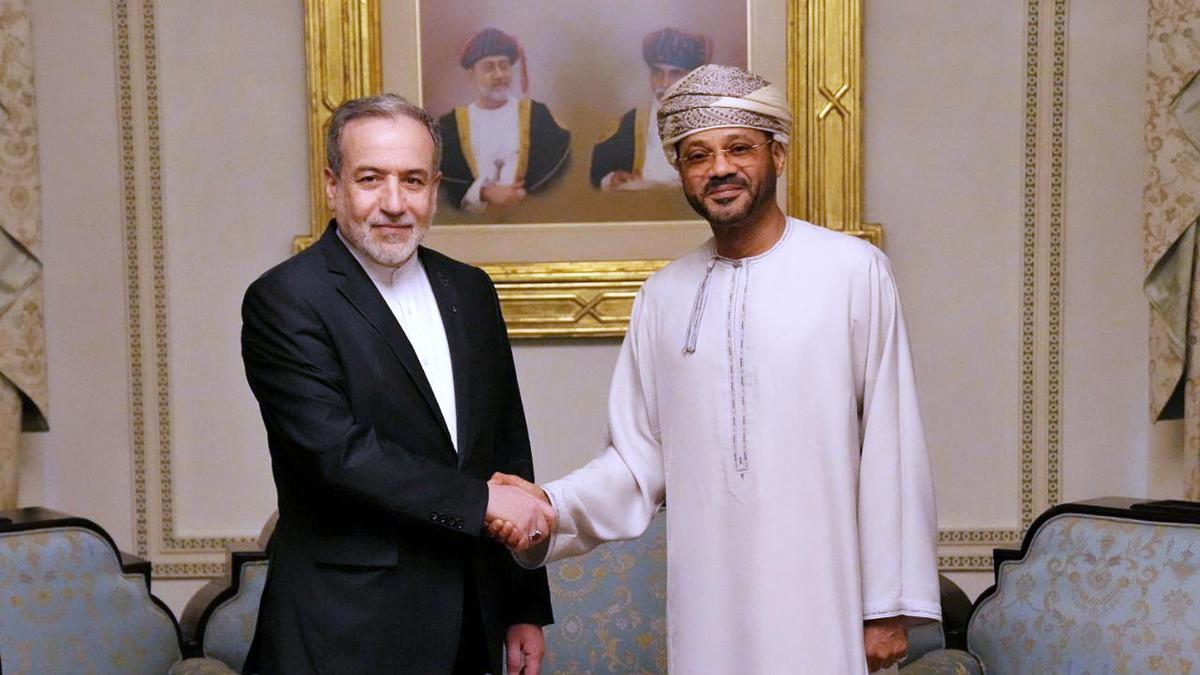
Iran's Foreign Minister Abbas Araghchi arrived in Muscat, Oman, on February 6, 2026, leading a delegation for crucial nuclear negotiations with U.S. representatives. The discussions come as the U.S. has heightened military pressure on Tehran. Iranian media disclosed that the delegation includes Deputy Foreign Minister for Political Affairs Majid Takht-Ravanchi, Deputy Foreign Minister for Legal and International Affairs Kazem Gharibabadi, and Foreign Ministry spokesperson Esmaeil Baghaei among other diplomats.
Araghchi described the atmosphere of the talks as positive, noting that both sides have agreed to continue negotiations. However, he emphasised that the discussions were limited to the nuclear issue, dismissing speculation around addressing other topics such as Iran's ballistic missile programme and support for regional militias, areas Washington views as critical.
White House Press Secretary Karoline Leavitt stated that Washington's core demand is for Iran to achieve 'zero nuclear capability'. She termed the Muscat meeting a significant test of whether a deal is attainable, expressing that the U.S. would assess its further actions based on the outcomes of these talks.
The venue for the negotiations changed from Istanbul to Muscat, a shift that reportedly upset Washington but reflected Iran’s desire for a politically reliable host. The change sparked concern within the Middle East, leading several regional countries to advocate for continued U.S.-Iran dialogue. Reports indicated that nations including Saudi Arabia, Qatar, and the United Arab Emirates might seek a non-aggression agreement during the talks, aimed at ensuring neither Iran nor the U.S. attacks the other.
Previous attempts at dialogue have met significant obstacles. Washington's key conditions revolve around halting uranium enrichment, imposing limits on the range of Iranian ballistic missiles, and ceasing Iran's support for what the U.S. considers regional proxies. These demands were central to the 2015 Iran nuclear deal, which the Trump administration deemed inadequate. Critics argue that the agreement failed to prevent Iran from pursuing nuclear weapons and did not encompass Iran’s missile programme or its influence in the region.
Iran has consistently rejected claims of seeking nuclear capabilities, asserting its right to peaceful nuclear energy use as non-negotiable. Moreover, Tehran has been firm that discussions must not expand beyond the nuclear agenda. U.S. Secretary of State Marco Rubio indicated that any serious negotiations must also engage with issues related to Iran's missile activities and regional governance.
Military tensions have escalated as both nations prepare for potential confrontations. The United States has strengthened its military presence in the Middle East, deploying significant naval assets including the aircraft carrier USS Abraham Lincoln. Simultaneously, Iran has heightened its military readiness in response to perceived U.S. threats.
The negotiations in Muscat occur against the backdrop of last year's conflict, which involved U.S. strikes on Iranian nuclear facilities following Israel's air raids against Iran. The Iranian leadership views military threats from the U.S. with deep concern, given their potential to escalate conflict.
Looking ahead, Araghchi noted that further discussions will depend on consultations with leaders in both capitals, expressing cautious optimism for continued dialogue but cautioning against U.S. pressure tactics. The outcomes of the current talks may significantly influence regional stability and the prospects for a renewed agreement between Iran and the U.S.

ABVP Wins Majority in Delhi University Students' Union Elections

Rahul Gandhi Criticises Modi Government's Attitude Towards Students
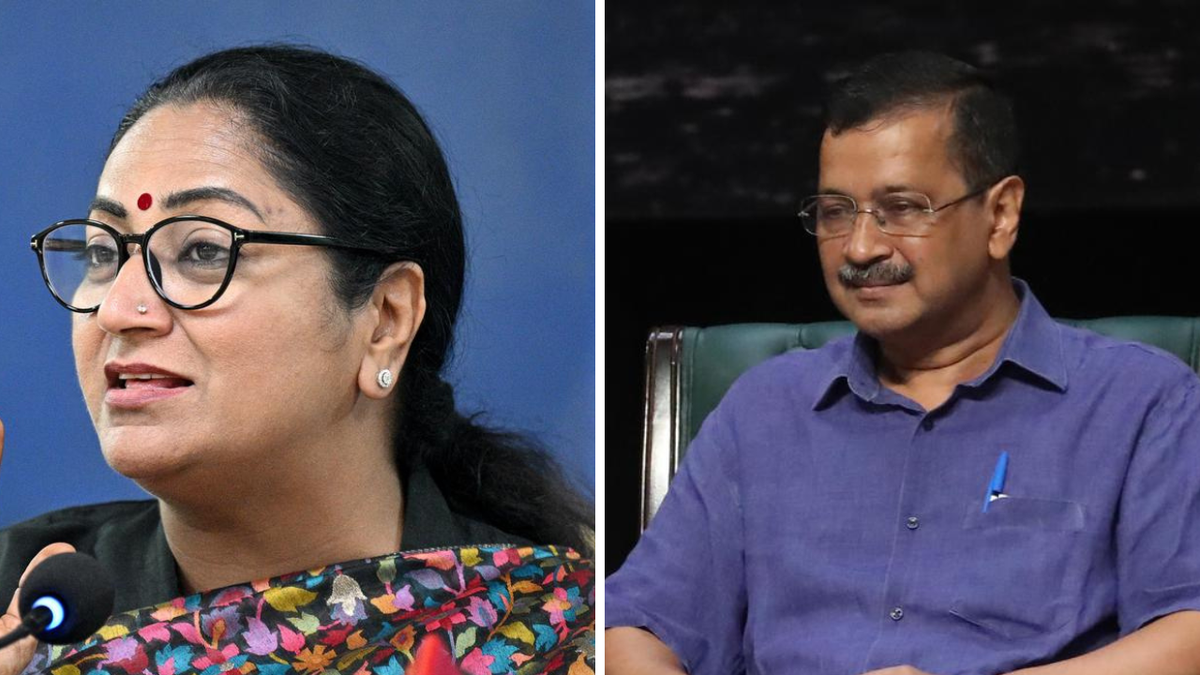
Delhi Chief Minister Faces Scrutiny Over Ongoing Notices

Former Union Minister Detained in Punjab Protest Against CM