Tamil Nadu Aims to Vaccinate 700,000 Girls Against HPV


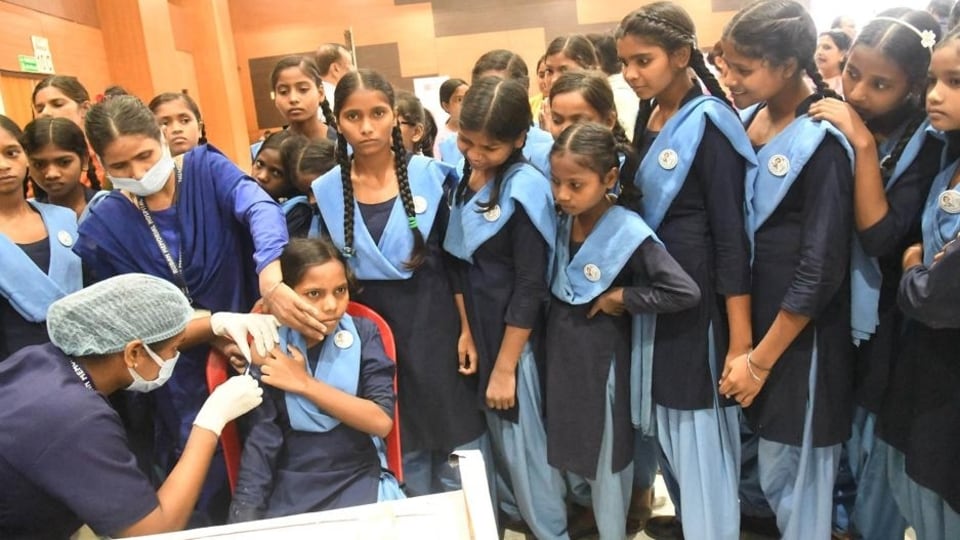
The Indian state of Tamil Nadu is mobilising efforts to vaccinate 700,000 adolescent girls against the human papillomavirus (HPV) ahead of the expiration of available vaccine doses. Health officials have emphasised the urgency of this campaign, as past experiences highlight the potential wastage of vaccines if not administered in time.
HPV is a major cause of cervical cancer, and vaccination can significantly reduce the risk. An extensive vaccination programme was implemented, but with time running out on the doses, health workers are engaging in outreach to ensure that girls can receive their shots as soon as possible.
Dr. Seema Sharma, a prominent gynaecologist, noted that vaccination against high-risk HPV strains is essential for long-term health outcomes. "The vaccines prevent new infections and work best when administered before any exposure to the virus", she stated.
Concerns among parents regarding the vaccination's safety and its link to early sexual activity have impeded uptake. However, Dr. Sharma clarified that extensive safety studies conducted by organisations such as the World Health Organisation (WHO) have shown no evidence linking the HPV vaccine to fertility issues or increased sexual behaviour.
Despite these reassurances, ongoing myths surrounding HPV vaccination persist, creating obstacles in implementing the programme effectively. Dr. Sharma has urged parents to understand the medical facts behind the vaccine, particularly focusing on its preventive nature. Vaccination efforts are in line with the WHO recommendations to give the vaccine to girls aged 9 to 14.
The state government plans to collaborate with local institutions to spread awareness about the vaccine's benefits. Efforts will include community health-worker-led education sessions to alleviate fears about safety and efficacy.
The initiative comes as part of a broader governmental strategy aiming to eliminate cervical cancer as a public health problem in India. Tamil Nadu's commitment to ending such preventable diseases reflects the changing landscape of public health in the region.
In addition to vaccination, the importance of regular health screenings has been emphasised, allowing for early diagnosis and treatment of cervical cancer, thereby complementing vaccination efforts. Officials continue to advocate for both vaccination and screening as dual strategies to enhance women's health in the community.
As the countdown continues for the current supply of vaccines, Tamil Nadu's focus remains steadfast on reaching its goal, reinforcing the significance of proactive healthcare measures in safeguarding the health of future generations.
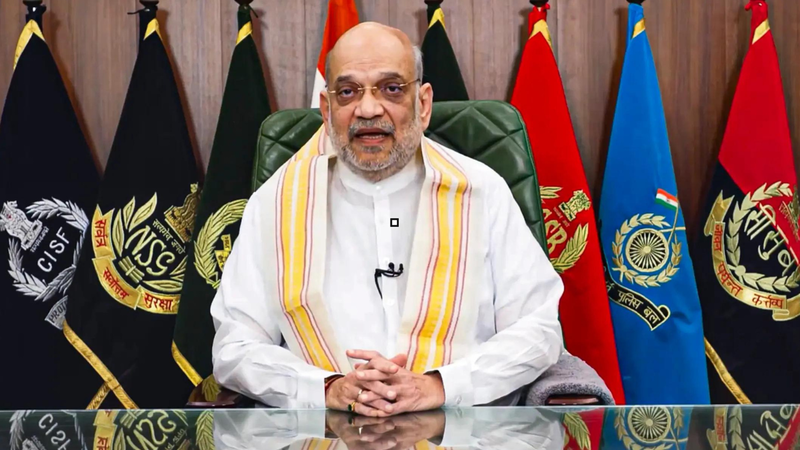
Indian Government Declares Shahzad Bhatti Network a Terrorist Outfit
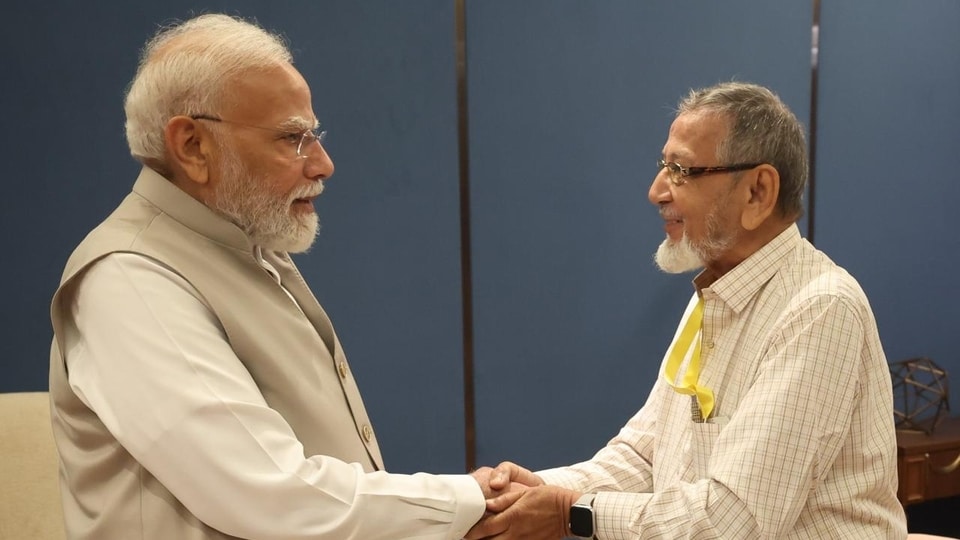
PM Modi Helps Former Schoolmate Recover Land After Long Dispute
Naval Collision in Arabian Sea Heightens India-Pakistan Tensions

Telangana CM Launches Inquiry Into Alleged Land Irregularities