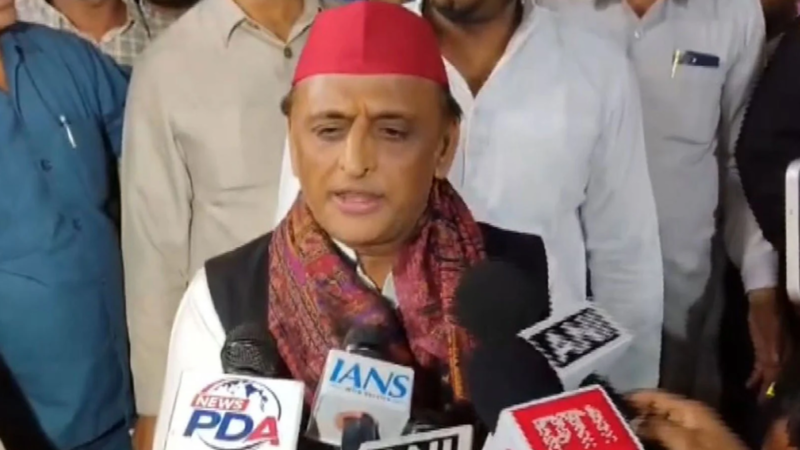
Supreme Court States Courts Cannot Reform Religious Practices


The Supreme Court of India stated on Wednesday that courts are not the appropriate forum for implementing reforms within religion. This declaration comes amid ongoing discussions related to the Sabarimala temple in the Pathanamthitta district of Kerala. Senior advocate Indira Jaising represented two women who famously entered the temple after a 2018 ruling from the Supreme Court, which upheld their right to worship. This landmark decision allowed menstruating women aged between 10 and 50 to enter the temple dedicated to Lord Ayyappa. During the proceedings before a nine-judge bench led by Chief Justice of India Surya Kant, Jaising argued that religious practices must evolve to remain meaningful in contemporary society. She emphasised that reform is essential for relevance in modern times, suggesting that stagnant practices may drive individuals away from faith. The discussion has reignited debates over the intersection of tradition, faith, and gender rights in India, crucially focusing on the rights of women within religious contexts. The verdict in 2018 marked a significant shift in Indian jurisprudence, pushing for gender equality in sacred spaces traditionally restricted to women. While some devotees support women's right to enter the temple, others argue that longstanding customs should be respected. The Supreme Court's recent statements suggest a nuanced stance, balancing legal rights with respect for religious customs. The decision from the Supreme Court adds another layer to the ongoing discussions surrounding the role of judiciary in religious matters and underscores the complexities involved in reconciling tradition with modern societal norms. Legal analysts note that this case could lead to further precedents affecting religious institutions across the country. As this topic continues to gather attention, it remains to be seen how judicial interpretations will shape the future of religious rights and gender equity in India.
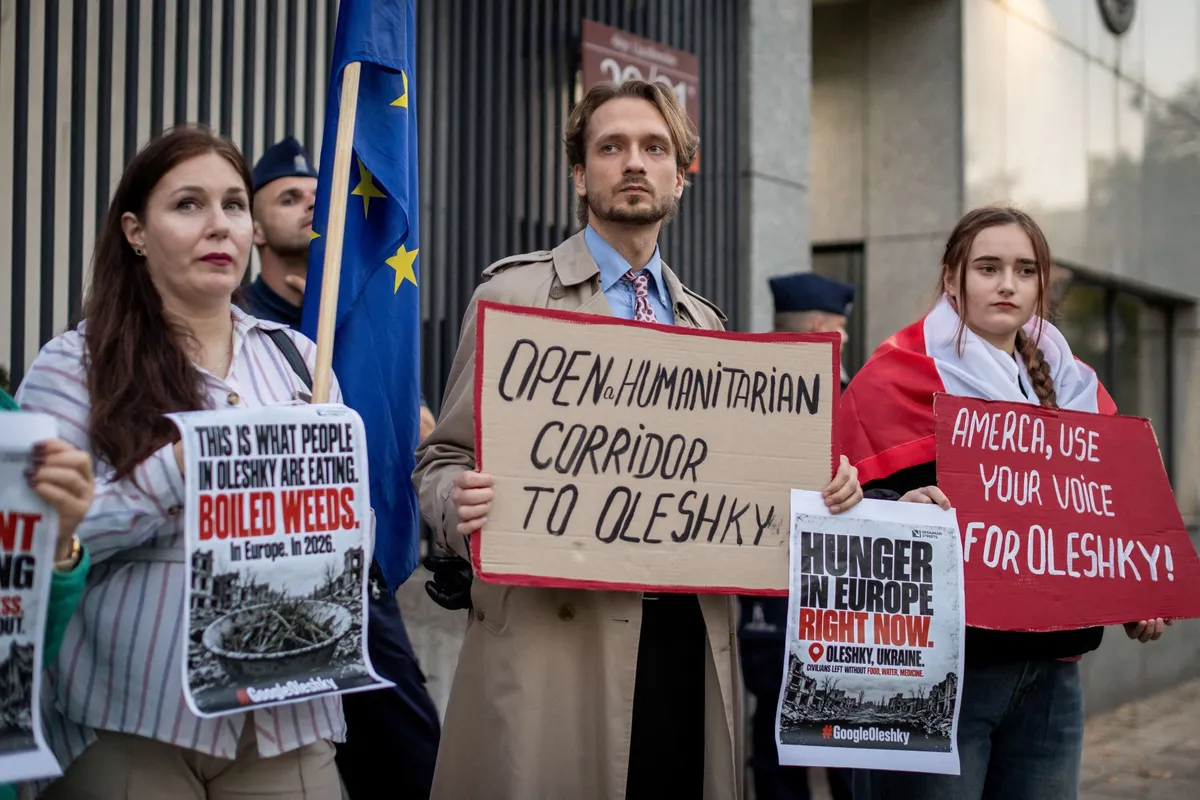
Ceasefire Agreed in Oleshky Amid Ukraine's Humanitarian Crisis
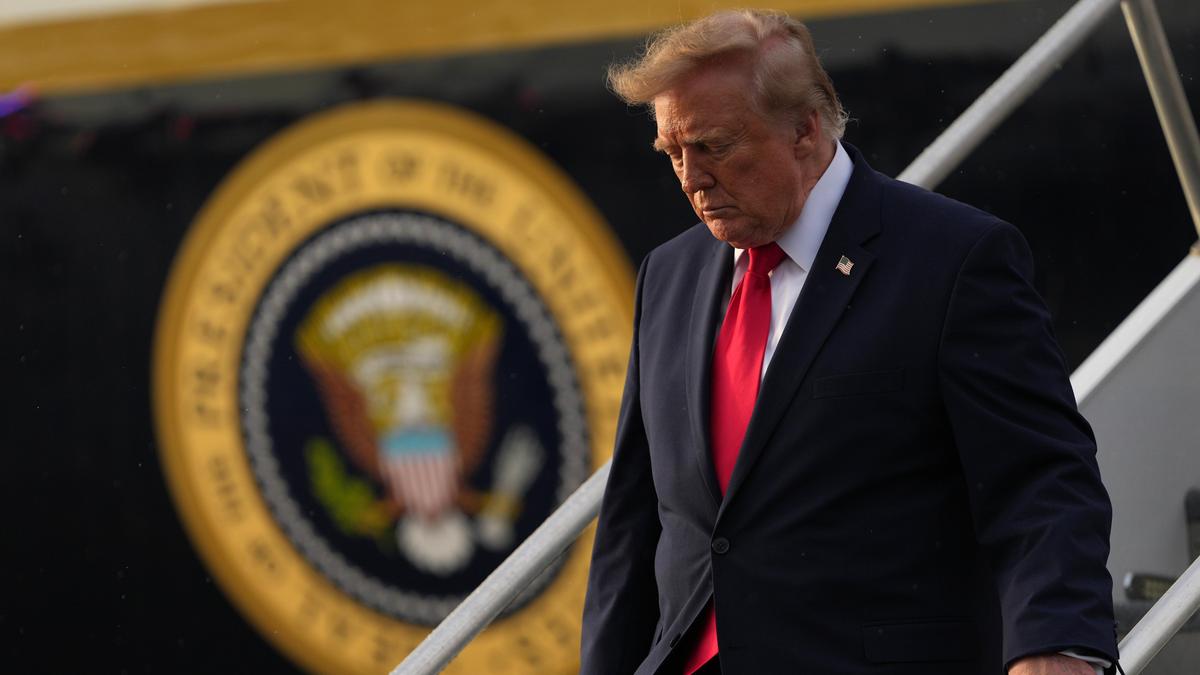
Donald Trump Hints at US Interest in Cuba After Conflict in Iran
UK Court Rules Against India in RAKIA Investment Dispute
India Raises Concerns Over Chinese Border Patrolling Deviations