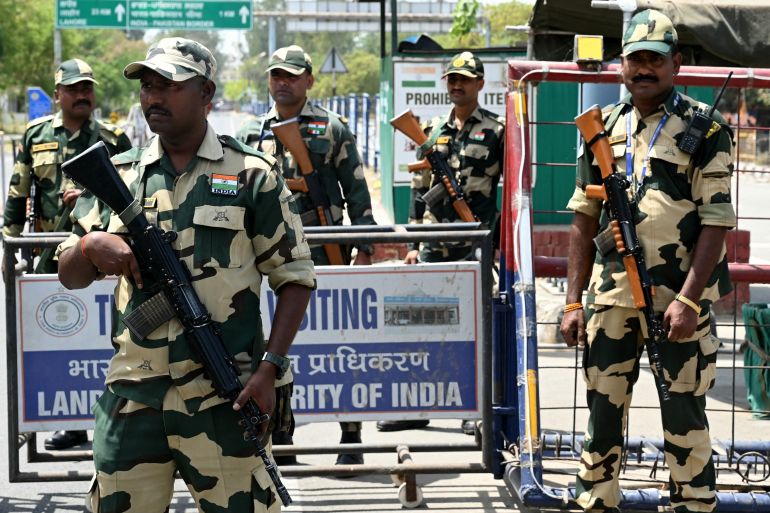
Supreme Court Rejects Plea to Penalise Citizens for Not Voting


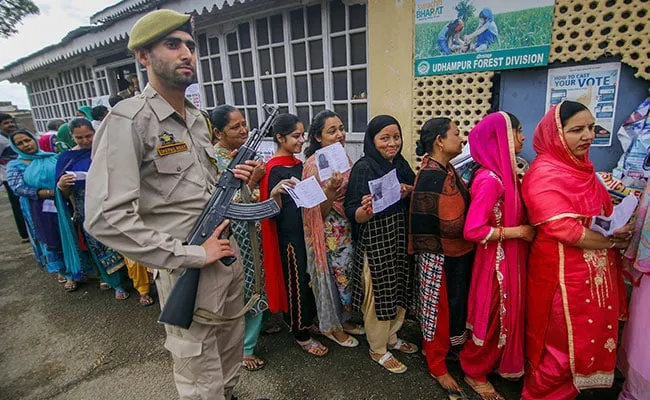
New Delhi: The Supreme Court of India announced on Thursday that it would not entertain a public interest litigation (PIL) requesting penalties for citizens who choose not to participate in elections. This decision was made by a bench comprising Chief Justice of India (CJI) Surya Kant, Justice Joymalya Bagchi, and Justice Vipul M. Pancholi.
The petition, filed by Ajay Goel, proposed that individuals who fail to vote should face sanctions such as the loss of government benefits. During the proceedings, the court expressed significant doubts about the feasibility of implementing mandatory voting, highlighting potential conflicts with constitutional principles amid India's diverse socio-economic conditions.
CJI Kant illustrated the court's concerns by referencing judicial limitations, remarking, "If we accept this, then my brother Justice Bagchi has to go to West Bengal and vote, though it’s a working day.” The judges further examined the implications of imposing fines on those who do not vote, questioning the practical ramifications of such actions. CJI Kant stated, "In a country which is governed by rule of law and believes in democracy... all are expected to go. If they don’t go, they don’t go. So all is needed is awareness. But we cannot compel."
The court pointed out that factors leading to absenteeism are often rooted in economic hardship rather than mere apathy. CJI Kant noted, “If a person who is poor and says I will earn my wages, so how do I vote… what should we say?” Despite the petitioner's argument advocating for restrictions on benefits to enhance voter turnout, this view did not persuade the court. CJI Kant quipped, “App yeh kaam hamare taraf se kar lijiye (you do this for us),” dismissing the idea of penalties for non-voters.
Ultimately, the Supreme Court concluded that penalising non-voters falls under the jurisdiction of legislative and executive policy, rather than the judicial system. The court dismissed the PIL while allowing the petitioner to pursue recourse through appropriate forums or authorities.
In the current political climate, where voter turnout remains a significant focus, the Supreme Court's ruling underscores the importance of individual choice in exercising the right to vote without facing legal repercussions. This decision reflects an understanding of the complexities surrounding voter behaviours and the necessity of fostering a climate of awareness rather than coercion.
Kerala Initiates Probe into 2006 Suicide Case Involving CEC

Extradition of Sheikh Hasina Feasible, Says Indian High Commissioner

Punjabi Makeup Artist Mad Sandhu Shot Dead in Amritsar
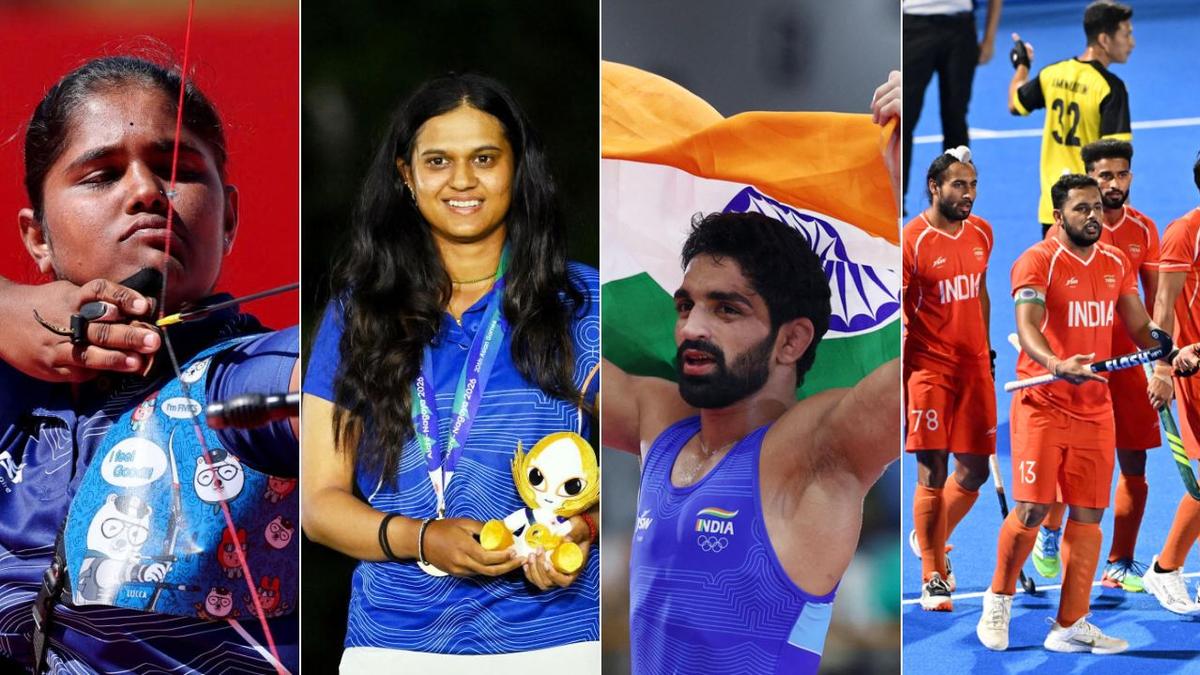
India Achieves Fourth Place at Asian Games 2026 Through Late Success