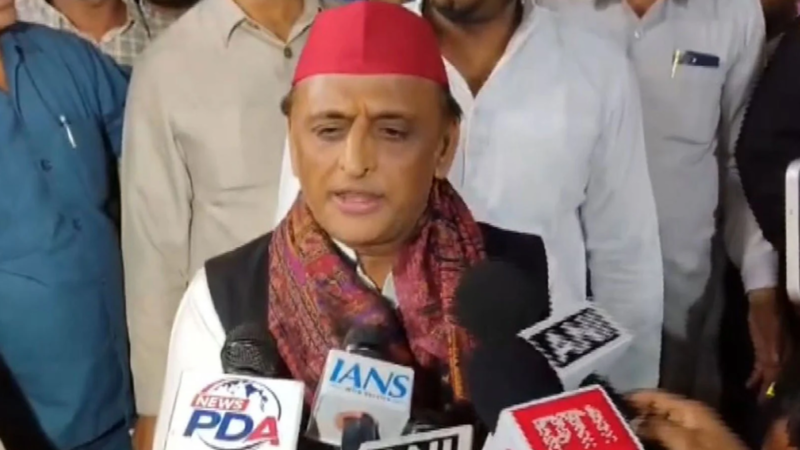
Supreme Court Petition Aims to Ban Pellet Guns for Crowd Control


A former Special Director of the Intelligence Bureau and two individuals injured during a protest have approached the Supreme Court of India to advocate for the prohibition of pellet guns for crowd control measures. The public interest litigation was initiated by Yashovardhan Azad, a retired officer awarded the Police Medal and the President's Police Medal for Distinguished Service, alongside the two victims who suffered pellet injuries in the July 20 'Chalo Sansad' demonstration at Jantar Mantar in Delhi.
The petition requests the court to either decommission or outright ban the use of projectile action guns, which include pump-action guns loaded with metallic pellets, for dispersing gatherings of civilians. Furthermore, it seeks compensatory measures for those injured during the police action on that day, as well as comprehensive medical treatment, rehabilitation, and long-term care for the victims.
Mr Azad has notably articulated concerns regarding the effectiveness and safety of pellet guns in crowd control, arguing that these weapons possess unpredictable trajectories, leading to potentially grievous injuries. Unlike conventional bullets that can be directed at specific targets, pellets disperse across a broader area, ricocheting and splitting into multiple projectiles, making it difficult to control their impact.
The petition highlights a significant risk to vital organs and eyes, even when aimed at non-critical body parts. Documented instances of pellet gun usage in regions like Jammu and Kashmir and Manipur over the last two decades have underscored these dangers. Although often classified as 'less lethal' or 'non-lethal', pellet guns can still cause severe or lethal injuries, especially when employed against crowds from a close proximity.
"Given the unpredictable nature of pellets, we argue that these weapons are fundamentally unsuitable for managing civil assemblies," the petition states. It also claims that the deployment of pellet guns contradicts constitutional principles surrounding necessity, proportionality, and reasonableness while infringing on the fundamental right to peaceful assembly as guaranteed by Article 19(1)(b) of the Indian Constitution.
Additionally, the petition points to the Minister of Home Affairs' framework regarding crowd control measures. A Task Force appointed on September 22, 2010, was tasked with creating a Standard Operating Procedure (SOP) involving non-lethal methods for handling public protests. This group included the Director General of the Central Reserve Police Force (CRPF), which reportedly employed pellet guns during the recent protests in Delhi.
The SOP, disseminated by the Bureau of Police Research and Development (BPRD) to the Delhi Police Commissioner in March 2011, examined various options designed for less-lethal crowd control, including plastic bullets and tasers, yet did not recommend or acknowledge the use of .12-bore pump-action rifles with metallic pellets.
As highlighted by the petition, this absence of endorsement showcases the lack of official support for the use of pellet guns in law enforcement. The petition reiterates that, according to available records, no qualifications have been documented to support the appropriateness of these guns for crowd dispersal. It further references the 2020 guidelines by the United Nations regarding less-lethal weaponry, advising against their use in crowd management scenarios.
Among those petitioning are 25-year-old Prashant Kumar Singh and 26-year-old Sheik Ishaad Mansoori, both of whom are still receiving treatment for their pellet injuries from the July 20 confrontation. The plea draws attention to the case of 19-year-old Sahil Lochab, which serves as a poignant reminder of the severe consequences of deploying pellet guns against civilians. The petition asserts that the victims of the police action are entitled to compensation through public law, and it urges the Supreme Court to take decisive steps towards halting the use of pellet guns in crowd control while ensuring that all injured parties receive necessary medical care and rehabilitation.
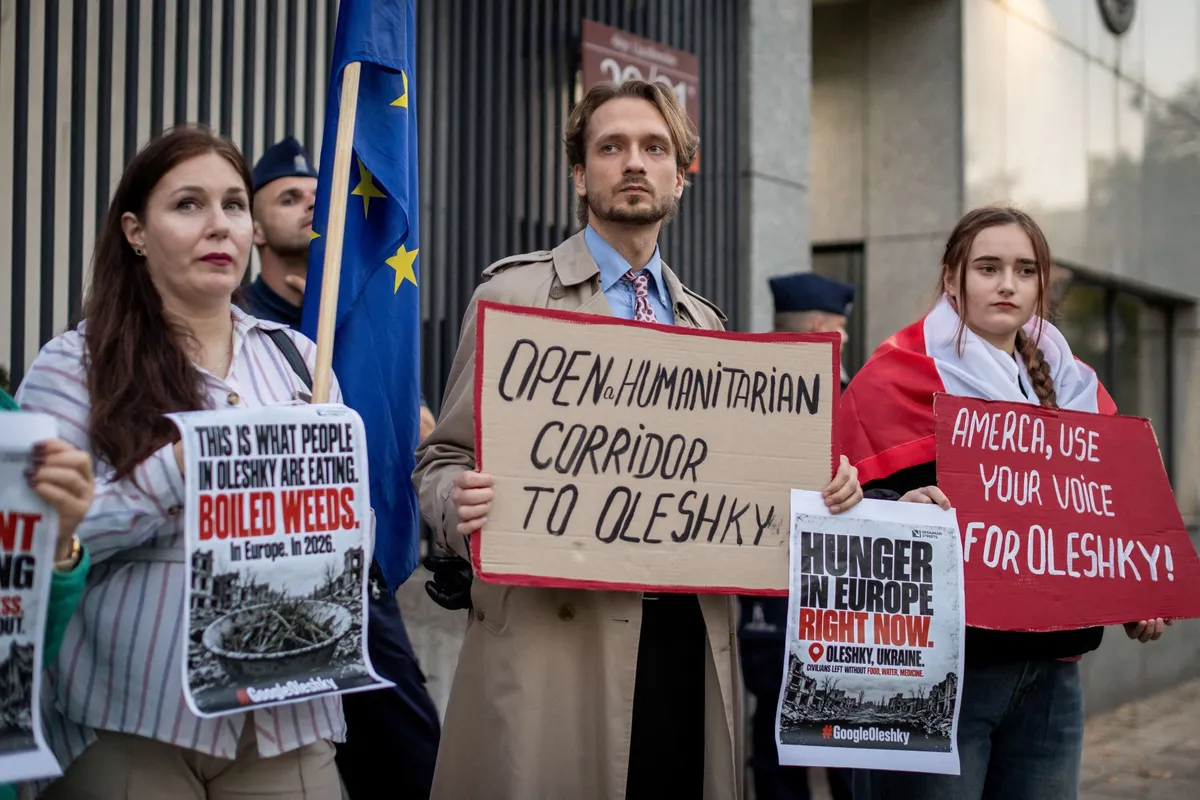
Ceasefire Agreed in Oleshky Amid Ukraine's Humanitarian Crisis
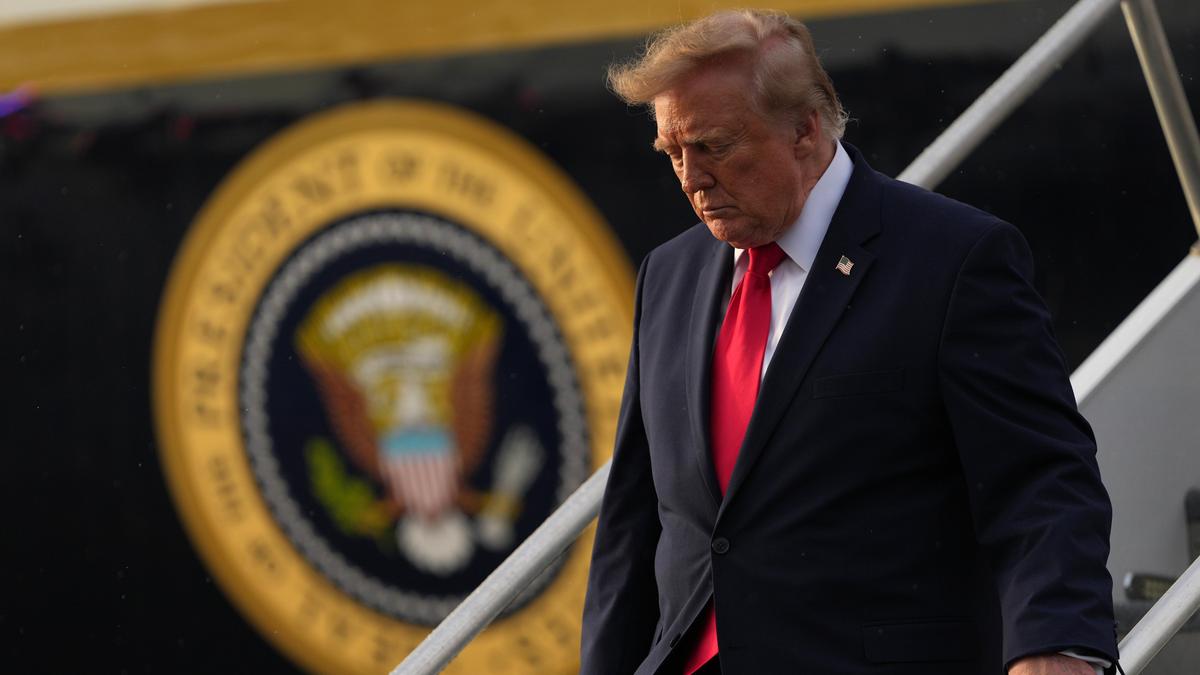
Donald Trump Hints at US Interest in Cuba After Conflict in Iran
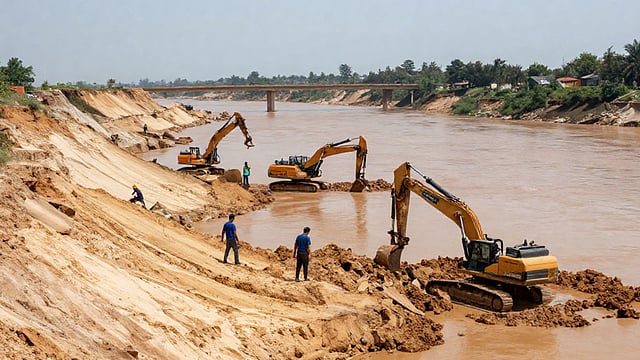
UK Court Rules Against India in RAKIA Investment Dispute
India Raises Concerns Over Chinese Border Patrolling Deviations