Supreme Court's New Guidelines Aim to Expedite Cheque Bounce Cases


The backlog in India’s courts has long been a significant challenge, particularly in cases involving cheque dishonour. With thousands of cases pending under Section 138 of the Negotiable Instruments Act, the Supreme Court has intervened by issuing new guidelines aimed at speeding up case resolutions and promoting prompt settlements.
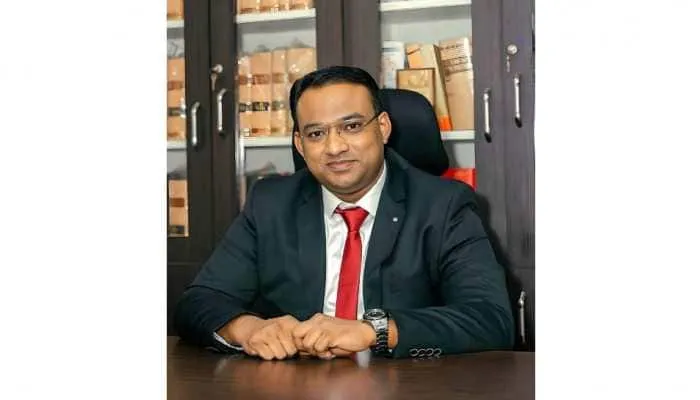
Advocate Anik M. Iktear Uddin, a Bengaluru-based lawyer and Special Public Prosecutor with over 17 years of experience in cheque bounce cases, elaborated on the implications of these new guidelines. He has handled a variety of cases involving banking disputes, financial fraud, and commercial recovery.
Understanding the Importance of Cheques
Advocate Anik explained that a cheque serves as a widely accepted payment instrument for business transactions. It represents a written order to a bank to transfer a specified amount from the drawer's account. This method is favoured due to its ability to provide a paper trail and its legal backing under the Negotiable Instruments Act.
Conditions Leading to Cheque Bounce
A cheque bounce occurs when a bank cannot honour a cheque. According to Advocate Anik, various factors can lead to this, such as insufficient funds, mismatched signatures, closed accounts, or technical issues. If a cheque is returned and payment is not made after a notice is issued, the law permits legal action against the payee under Section 138.
Navigating the Legal Process After a Bounce
The law stipulates a clear timeline for action following a cheque bounce. The payee must issue a legal notice within 30 days of receiving the returned cheque, and the drawer has 15 days to respond with payment. If payment is not made, the complainant can approach the appropriate court within the stipulated timeframe.
Recent Supreme Court Changes
In its recent ruling in the case of Sanjabij Tari vs Kishore S. Borcar (2025), the Supreme Court established a specific set of guidelines designed to reduce delays in cheque bounce cases. Among the changes is the requirement for each complaint to include a concise one-page summary outlining key details such as the parties involved, cheque information, dates of dishonour, notice details, and any prior litigation. This aims to streamline the process and minimise unnecessary adjournments caused by incomplete pleadings.
Another notable change involves the methods of serving summons. Courts can now allow service through speed post, hand delivery, email, or even messaging platforms such as WhatsApp, provided an affidavit of service is submitted.
Facilitating Quicker Payments and Settlements
The new guidelines encourage the courts to implement secure online payment methods, such as Unified Payments Interface (UPI) and Quick Response (QR) codes. This enables the accused to make payments as soon as they receive summons. If both parties agree on the sum, the case can be resolved promptly, significantly reducing prolonged litigation.
Future Trial Procedures
Cases under Section 138 are now more likely to follow summary trial procedures, which are quicker and less formal. Preliminary questions regarding the cheque, signature, and liability may be addressed by the court before the main proceedings commence. Advocate Anik emphasised the importance of recording reasons during regular trials.
Interim Compensation Provisions
Section 143A has been amended to encourage trial courts to award interim compensation at the earliest opportunity when deemed appropriate. This ensures that complainants do not have to wait years for relief, thereby promoting quicker resolutions.
Penalties for Delayed Settlements
To discourage prolonged disputes, the Supreme Court has proposed a cost structure that penalises parties delaying settlements. No fees are charged if a case is settled early, but fees increase significantly if the case escalates to higher judicial levels. Advocate Anik pointed out that this creates an incentive to settle matters swiftly.
Monitoring Implementation
District courts with high case backlogs are now required to maintain dashboards tracking pending cases, disposal rates, and adjournments. District Judges must review progress and report to the High Courts. The guidelines also advocate for enhanced use of mediation, Lok Adalats (people's courts), and special magistrates to resolve disputes.
Significance of the New Guidelines
According to Advocate Anik, these guidelines directly address the core reasons for delays, including slow service of summons and lack of early payment mechanisms. They are expected to expedite processes for businesses and creditors while providing accused individuals with a fair chance to resolve matters promptly. For the courts, these changes promise better organisation, accountability, and more efficient use of judicial time.
In essence, the Supreme Court's guidelines aim to restore the fundamental purpose of Section 138, reinforcing the reliability of financial transactions and ensuring that cheque bounce cases do not devolve into protracted lawsuits.
Kerala Initiates Probe into 2006 Suicide Case Involving CEC

Extradition of Sheikh Hasina Feasible, Says Indian High Commissioner

Punjabi Makeup Artist Mad Sandhu Shot Dead in Amritsar
India Achieves Fourth Place at Asian Games 2026 Through Late Success