Supreme Court Mandates FIRs for Missing Adults and Children



The Supreme Court of India has affirmed that its directive for the immediate registration of first information reports (FIRs) for missing persons is applicable to both adults and children, regardless of age or gender. This clarification was issued in a ruling on August 5, in the case of G. Ganesh v. State of Tamil Nadu and Others. Justices Ahsanuddin Amanullah and R. Mahadevan expressed their astonishment that some States misconstrued the term 'person' as referring solely to children. The Court stated that this interpretation was a 'deliberate and mala fide bogey' raised by certain States.
In an earlier order dated May 22, the Court mandated that every police station register an FIR upon receiving information about any missing person without delay. The recent clarification emphasised that the term 'person' encompasses all individuals, with no exception made for age or gender. The Court warned that any State or Union Territory failing to comply with this direction would be subject to contempt proceedings. In such cases, the Chief Secretary and Director General of Police (DGP) would be required to appear in court personally and submit explanations for their non-compliance.
The Court highlighted the importance of the initial hours following a disappearance, often referred to as the 'golden hours', during which the likelihood of successfully locating the missing individual is significantly higher. Therefore, it is imperative that police do not delay action by waiting for a 24-hour period before mobilising resources to investigate a missing person case.
Further, the Court has instructed that States and Union Territories must submit updated status reports and actions taken regarding the directives given on May 22. Those that have not done so will be regarded as prima facie in contempt of court. Ladakh, in particular, has been called upon to provide personal affidavits to clarify its failure to respond appropriately.
Mandatory integration of relevant databases across the country has also been ordered, with a deadline set for completion within six weeks. The Court's ongoing efforts to address issues of missing persons and human trafficking include the establishment of a national framework to enhance coordination among various agencies.
The Supreme Court is expected to hear this matter again on October 5, where further developments may be discussed. The proceedings take place amidst growing concerns regarding the systemic challenges in addressing cases of missing individuals, particularly children. The Court had previously expanded the ambit of its inquiry to address broader systemic failures and child trafficking issues nationwide.
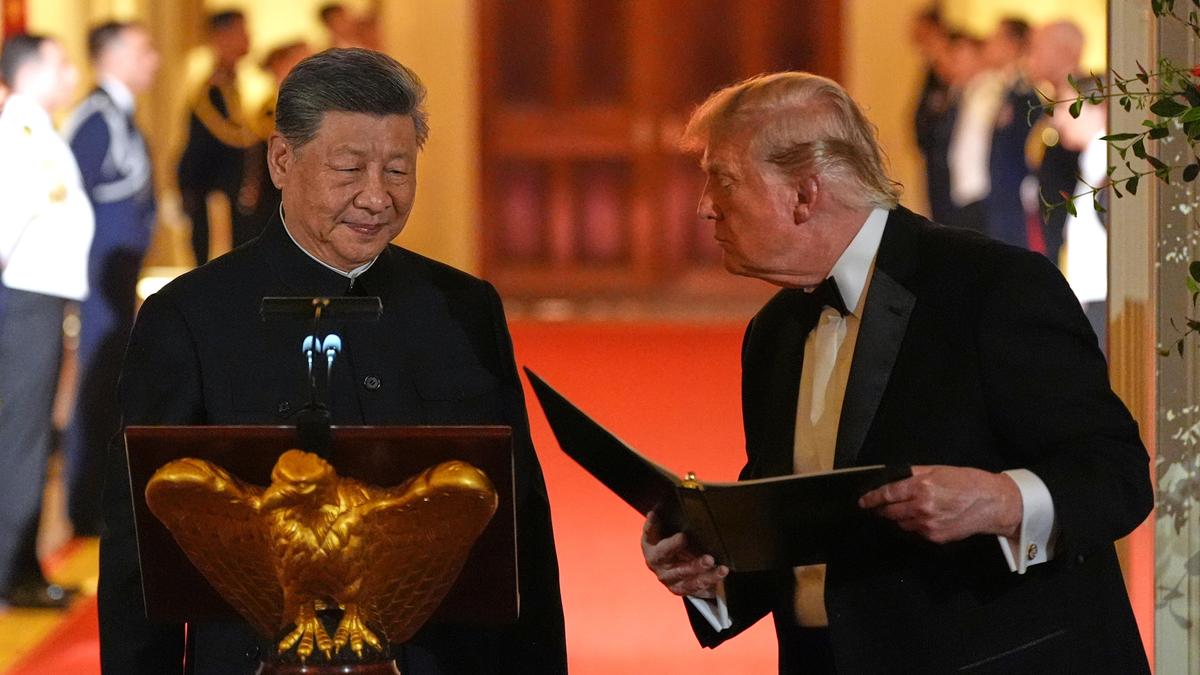
Trump and Xi Discuss Trade, AI, and Taiwan Amid Diplomatic Tensions

Xi Jinping Seeks Greater Concessions from Trump Amid Trade Talks
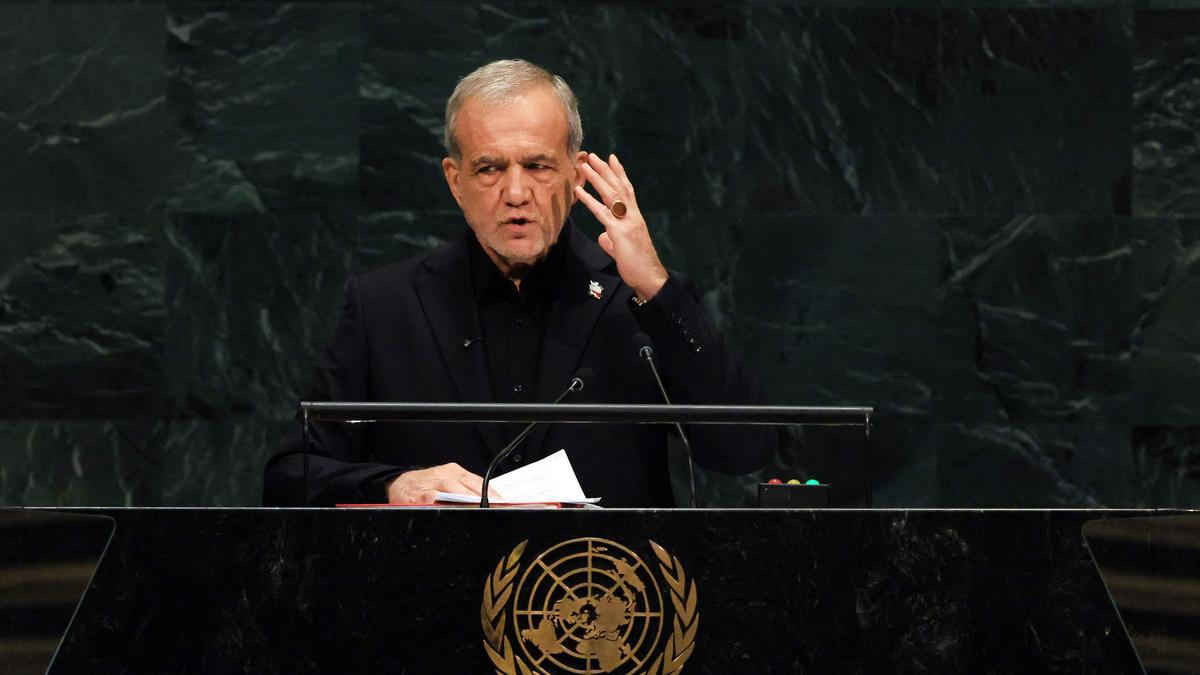
Iran's President Addresses Ongoing Conflict and External Threats

United States Invites Vladimir Putin to Miami G20 Summit