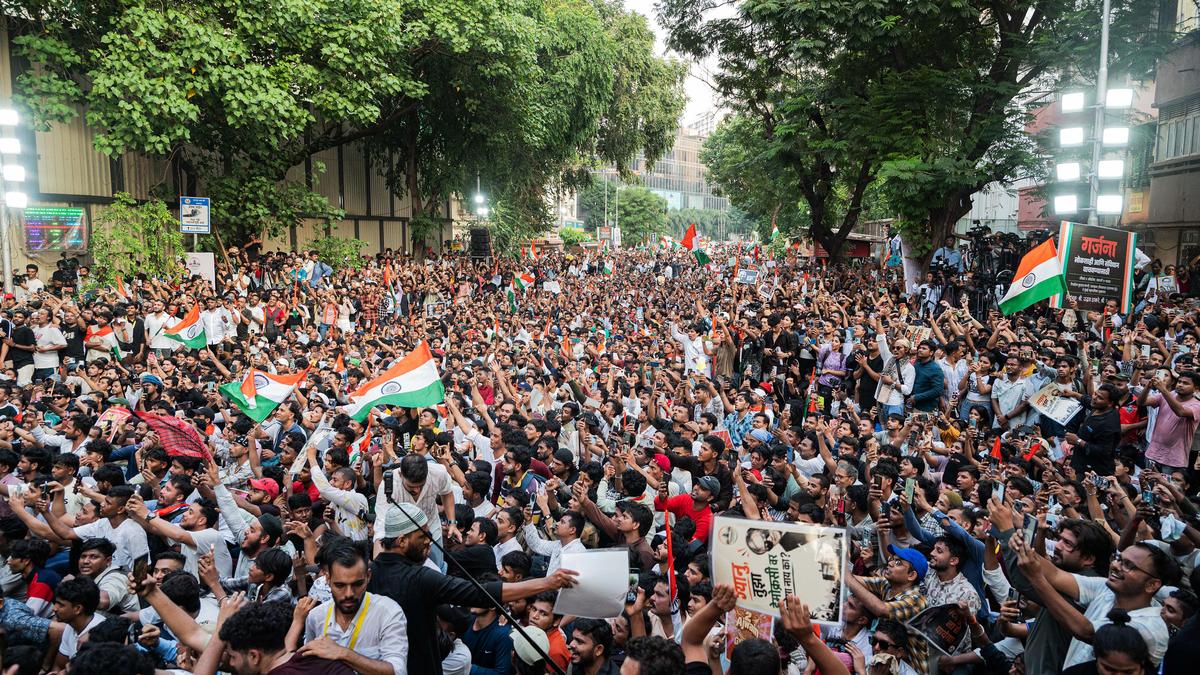
Supreme Court to Hear Petitions Against Citizenship Amendment Act


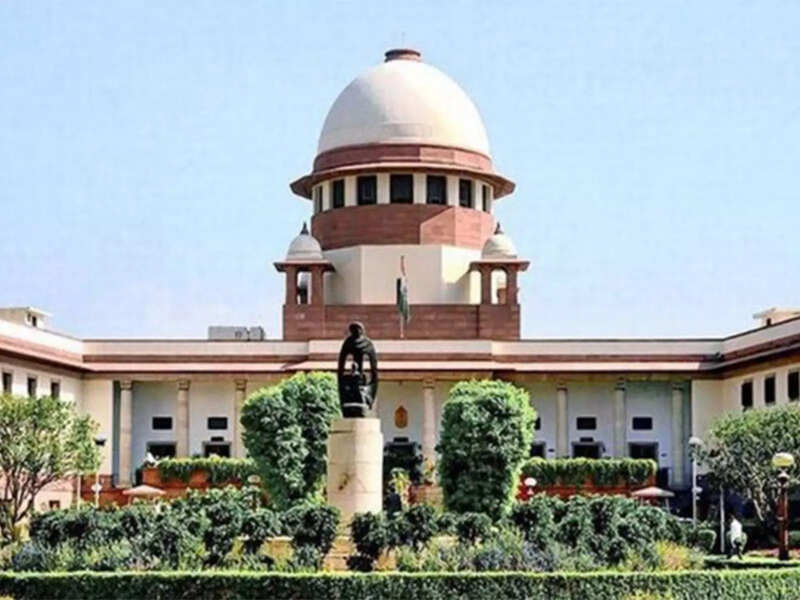
On February 19, 2026, the Supreme Court of India announced it will commence hearings for over 250 petitions contesting the Citizenship Amendment Act (CAA) and its associated rules on May 5, 2026. The hearings will continue until May 12, 2026. This legislative act, introduced in 2019, allows expedited citizenship for non-Muslim migrants from Pakistan, Afghanistan, and Bangladesh who entered India before December 31, 2014, circumventing the label of illegal migrants.
The petitioners, which include a diverse group spanning various political affiliations and civil rights organisations, argue that the Act discriminates against Muslims, thereby violating the secular fabric of the Indian Constitution. Senior advocate Indira Jaising, representing several petitioners, proposed that cases related to Assam be heard separately due to specific legal issues concerning that state.
Chief Justice of India, Surya Kant, presided over the session with a bench expected to adjudicate these significant rights issues. In earlier discussions, Solicitor General Tushar Mehta noted that matters concerning Assam and Tripura might be classified separately, affirming the complexities surrounding the CAA's implementation. This legislative measure has faced scrutiny for excluding Muslims while offering provisions for other religious groups, raising questions about its constitutionality.
The Supreme Court last reviewed the CAA in March 2024, after a lengthy hiatus since its introduction. During that period, the Union Ministry of Home Affairs faced criticism for not disclosing data regarding beneficiaries of the Act, further intensifying the debate around the CAA.
Petitioners assert that the law violates the Right to Equality and the principles of secularism due to its selective nature, which purportedly targets only Muslim migrants for scrutiny under existing immigration laws. They claim that Muslims must demonstrate a residency of eleven years, while migrants from the protected six religious categories may apply for citizenship after five years.
The legal challenges to the CAA underscore a broader concern regarding the impact of such legislation on India's diverse social fabric. As the final hearings approach, a range of voices from parliamentarians to civil rights advocates continue to rally against the perceived inequities embedded within the Act. In particular, Asaduddin Owaisi, a member of the Indian Parliament, has articulated that the CAA colludes with the National Register of Citizens (NRC), simultaneously offering undue advantages to specific religious groups while marginalising others.
The upcoming hearings present a critical juncture for the future of citizenship rights in India, as the court contemplates questions of identity, religion, and equality entrenched in one of the country’s most contentious laws. The Supreme Court's decisions in these hearings will likely resonate throughout the legal and social landscape of India for years to come.
Indian Women's Hockey Team Secures Asian Games Gold After 44 Years

North Korea Launches Ballistic Missile Amid Rising Tensions

G7 Nations to Release 100 Million Barrels of Oil Amid Price Surge

Flydubai Co-Pilot Allegedly Attempts Terrorist Attack Mid-Flight