US Navy Preparedness Amid Iran Threats to Naval Forces


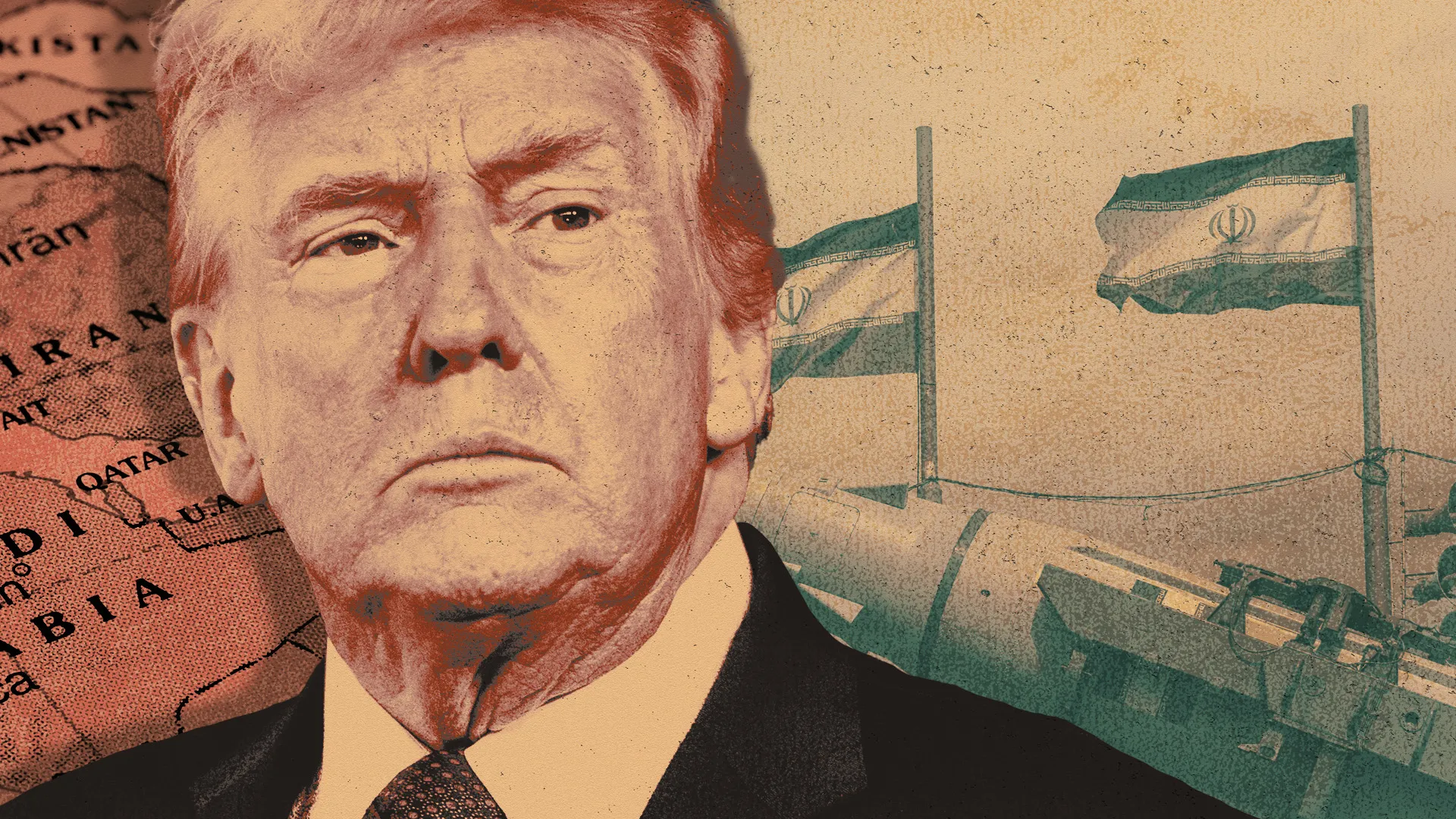
Recent remarks from Ayatollah Ali Khamenei, Iran's Supreme Leader, have escalated fears of potential conflict involving US naval forces. Khamenei suggested that Iranian capabilities could sink US warships, specifically naming the aircraft carriers USS Abraham Lincoln and USS Gerald R. Ford.
In response to such provocations, the United States Navy has established a framework of protocols known as the Standing Rules of Engagement. These protocols empower a carrier strike group commander to initiate a counterattack without requiring approval from the White House if a hostile act is detected. For example, should an attack occur, the Aegis Combat System integrated within escort destroyers is equipped to respond autonomously. Concurrently, the carrier’s air wing is authorised to engage and neutralise any threatening launch site immediately.
The US Navy’s aircraft carriers serve as formidable assets, housing nearly 5,000 military personnel and equipped to project power on a global scale. The loss or damage inflicted on a capital ship is classified within US military doctrine as an 'Act of War', prompting a significant response. This strategy is not merely limited to retaliation; it represents a shift from containment to decisive dominance over the adversary's military capabilities.
Military experts indicate that if a carrier were to be attacked, immediate measures would fall under the US's 'Find, Fix, Finish' protocol. This would mobilise various US assets, including high-altitude drones and underwater sensors, to locate and eliminate threats from the Iranian Revolutionary Guard Corps (IRGC).
The potential severity of any confrontation would escalate rapidly. Should a strike occur, the US Navy would implement a total blockade of the Strait of Hormuz, crucial for global oil transportation. This strategy includes intercepting any vessels attempting to transport Iranian oil, fundamentally aiming to cripple the nation's economy by halting its export revenues.
Moreover, should an escalation become necessary, the United States could target key IRGC installations and the Iranian leadership's communications infrastructure. This would dismantle the coordination capabilities of Iran's proxies throughout the region, including in Lebanon, Yemen, and Iraq.
Additionally, US Cyber Command is prepared to launch cyberattacks designed to incapacitate Iran's critical infrastructure. These responses involve deploying malware targeting Iran’s electrical grid and telecommunications to hinder military mobilisation during ongoing military actions.
The final tier of response rests with the nuclear capabilities of the United States. Though regarded as a last resort, the threat of mobilising nuclear weapons underscores the US stance of demanding 'Unconditional Strategic Submission' from Iran. This would entail the complete dismantling of Iran's nuclear and ballistic missile programs as a condition for the cessation of hostilities.
In summary, the ongoing verbal hostilities from Iranian leadership highlight a precarious situation where both military readiness and geopolitical tensions converge, potentially leading to significant conflict in the region.

Social Media Celebrates Mumbai Pilot Captain Smit Machchhar

Flydubai Co-Pilot's Iran Allegations Involve Trump and Netanyahu
France's Student Protests Escalate into Nationwide Unrest

Mamata Banerjee Criticises Election Chief Over Poll Irregularities