Supreme Court Emphasises Collective Fight Against Hate Speech


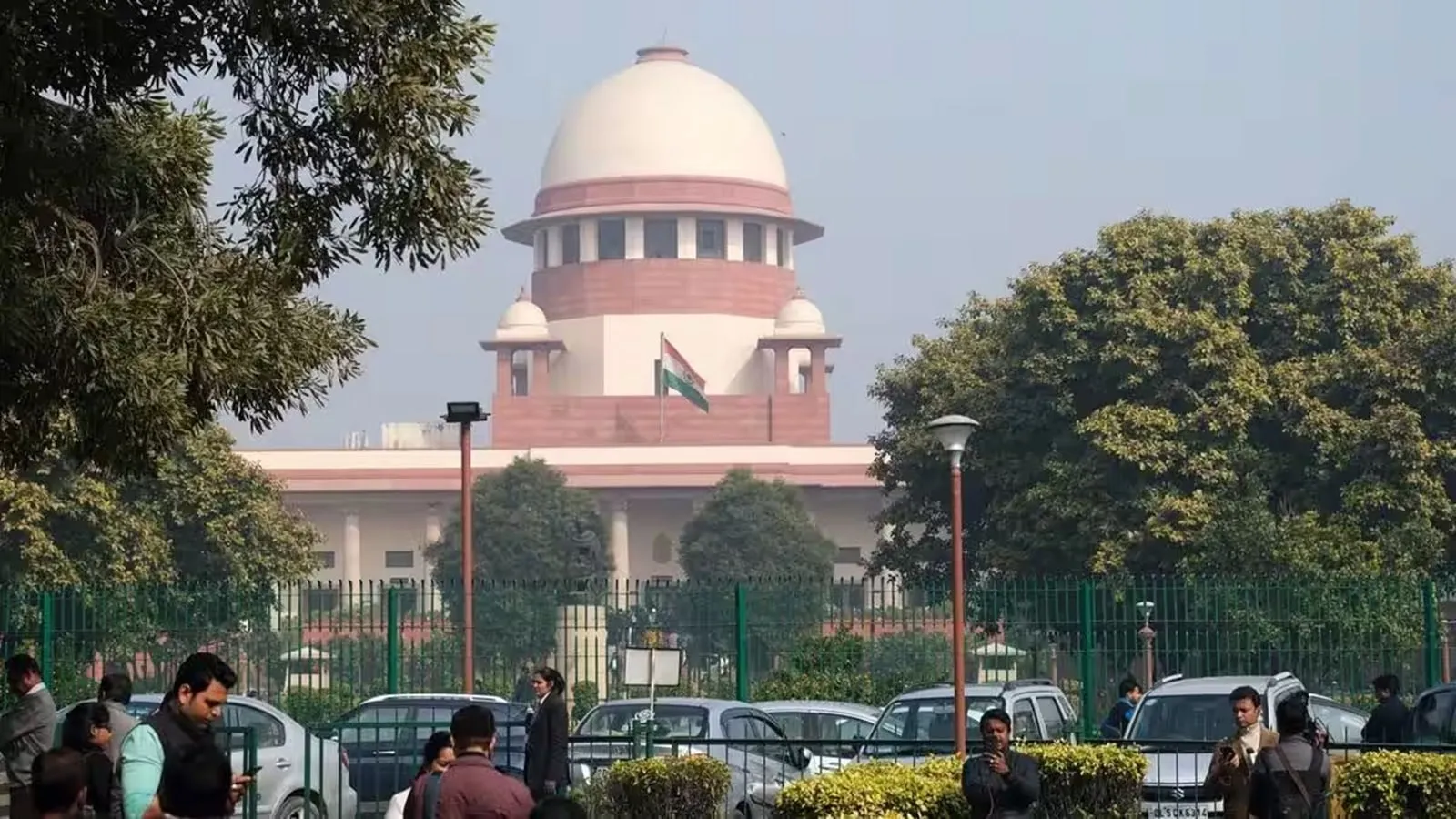
On March 20, 2026, the Supreme Court of India reiterated the need for a collective approach to combat hate speech, asserting that efforts should not be limited to specific communities. Justice B.V. Nagarathna, who led a Bench hearing a petition focused on hate speech aimed at the Brahmin community, emphasised the importance of a broad perspective in the fight against this issue.
Justice Nagarathna articulated the sentiment that, rather than separate groups advocating solely for the protection of their own interests, society should adopt a comprehensive stance by asserting that 'no one should indulge in hate speech.' This statement was made while the court considered a petition presented by Mahalingam Balaji, who had introduced the term 'Brahmophobia' to describe a perceived discrimination targeting his community.
The concept of hate speech has been a contentious topic within Indian jurisprudence, and the Supreme Court's observation underscores a desire for uniform application of laws concerning it. Justice Nagarathna underscored that the court stands firmly against all forms of hate speech, advocating for a societal environment driven by fraternity, tolerance, and intellectual development. She noted that the eradication of hate speech would naturally follow if these principles were embraced by all.
During the proceedings, Balaji contended that his petition stemmed from ongoing issues related to selective enforcement of hate speech laws and the detrimental effects on the Brahmin community. He expressed that his research revealed patterns of inconsistency in the treatment of hate speech across various groups.
Justice Nagarathna, however, advised Balaji to cultivate resilience against such provocations, suggesting that ignoring inflammatory remarks could often lead to their decline. She stated, 'Many things, if ignored, will fade away. If you react, it will only trigger another reaction.' Following this, the court permitted Balaji to withdraw his complaint.
The discourse surrounding hate speech in India raises critical questions about community dynamics, legal interpretations, and the responsibilities of individuals within society. As the country continues to grapple with these issues, the Supreme Court's stance may resonate widely, encouraging a more unified response against the expressions of hate that threaten social cohesion.
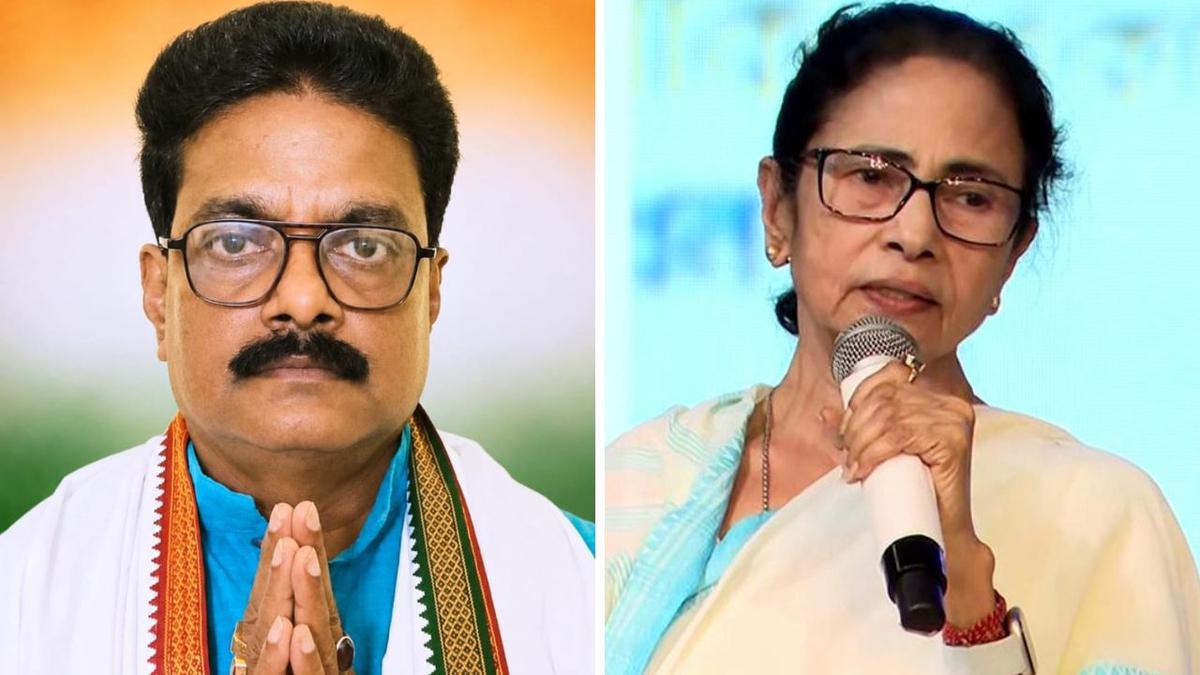
Mamata Banerjee Challenges Election Commission in Supreme Court
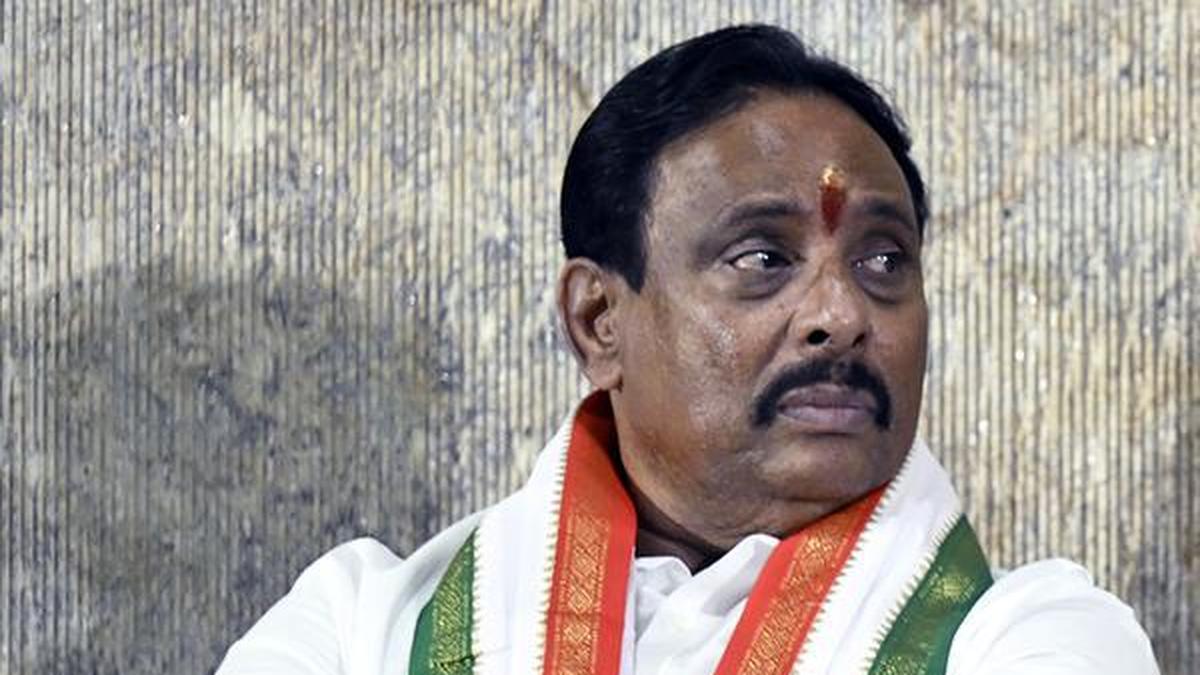
Telangana High Court Disqualifies MLA Danam Nagender Amid Political Fallout

Scottish Sikh Man Receives Bail in India After Nine-Year Detention

Delhi Police Investigate Gang-Rape and Murder of 16-Year-Old Girl