Supreme Court Directs Review of Toll Plazas Amid Delhi's Air Crisis


The Supreme Court of India has prompted the National Highways Authority of India (NHAI) and the Municipal Corporation of Delhi (MCD) to urgently assess the future of nine toll plazas located at the borders of Delhi. This directive, issued on December 17, 2025, comes in response to alarming air quality levels affecting the National Capital Region (NCR).
During a recent hearing, a bench led by Chief Justice Surya Kant highlighted the significant role these toll plazas play in exacerbating traffic congestion and contributing to elevated vehicular emissions. The court noted that the toll collection points, particularly the one situated at the Gurgaon border, have resulted in extensive delays, leading to long queues and increased pollution levels on both sides of the border.
Counsel representing the court argued that the congestion issues were not exaggerated but reflected the daily realities faced by commuters. Chief Justice Kant expressed frustration with the authorities for not implementing a temporary suspension of toll collection, questioning, "Why can't the officials say that till January there will be no toll plaza?" He emphasised the need for a comprehensive plan to address the pollution crisis, suggesting that the toll plazas could potentially be relocated to reduce congestion.
In response to the court's concerns, the NHAI has been tasked with evaluating the feasibility of moving the nine toll collection booths currently managed by the MCD to alternative locations. The court proposed that part of the toll revenue generated by the NHAI could be redirected to the MCD to mitigate any financial losses incurred during the temporary closure or relocation of the toll plazas.
The MCD has been directed to collaborate with the NHAI on this matter and to reach a decision regarding the suspension of operations at the toll plazas within one week. The Chief Justice underscored the urgency of the situation, stating that a concrete plan should be established to ensure no toll collection occurs until January 31 of the following year.
This ruling follows a broader discussion about air quality management in Delhi, with the Supreme Court previously noting that the measures taken to address pollution have been inadequate. The court has reiterated the necessity of long-term strategies rather than temporary fixes to combat the persistent air quality issues in the region.
As part of ongoing efforts to improve air quality, the Supreme Court has also reinstated a ban on diesel vehicles older than ten years and petrol vehicles older than fifteen years that do not meet Bharat Stage-IV emission standards. This policy aims to reduce emissions from older vehicles, which contribute significantly to the pollution crisis.
The court's recent decisions reflect a growing recognition of the urgent need for effective measures to address air pollution in Delhi, a city that continues to struggle with severe air quality challenges. As the situation develops, the government's response and commitment to tackling these pressing issues will be closely monitored by both the court and the public.
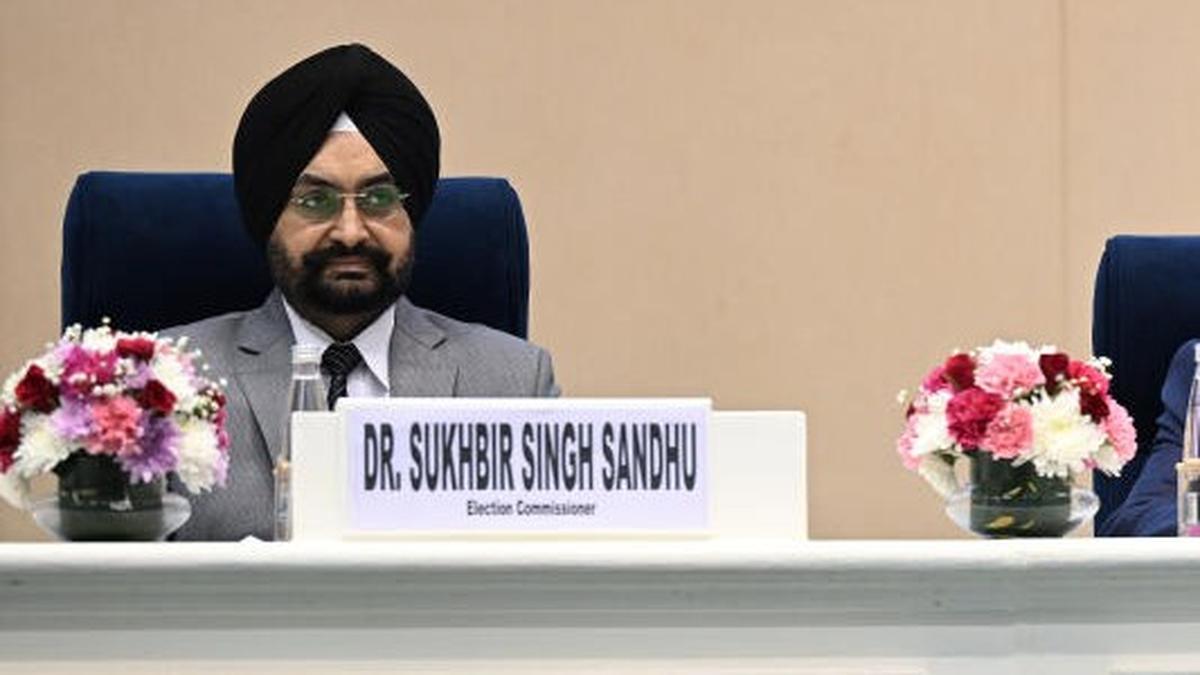
Concerns Rise Over Delhi Voter Registration Discrepancies
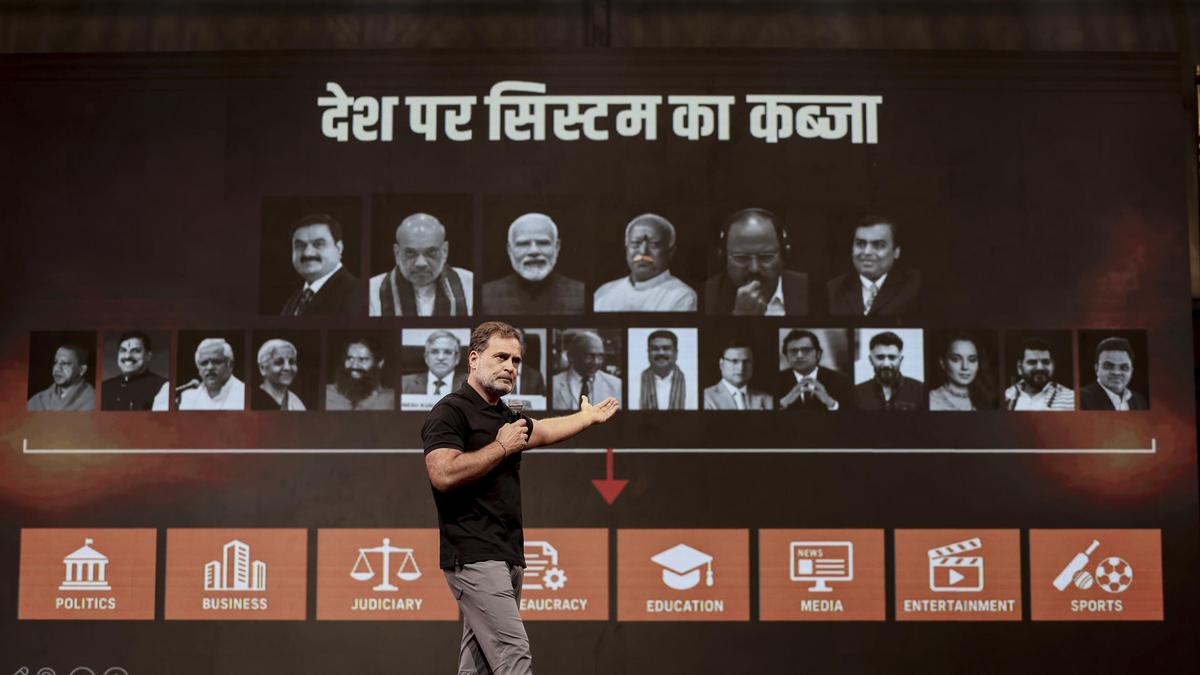
Controversy Erupts Over Rahul Gandhi's PM Modi Mimicry at Event

Father of IIT Bombay Student Calls for Action Against Discrimination

India and Japan Conduct Joint Air Exercise 'Veer Guardian-2026'