Supreme Court Calls High Drug Prices 'Extortion' in India


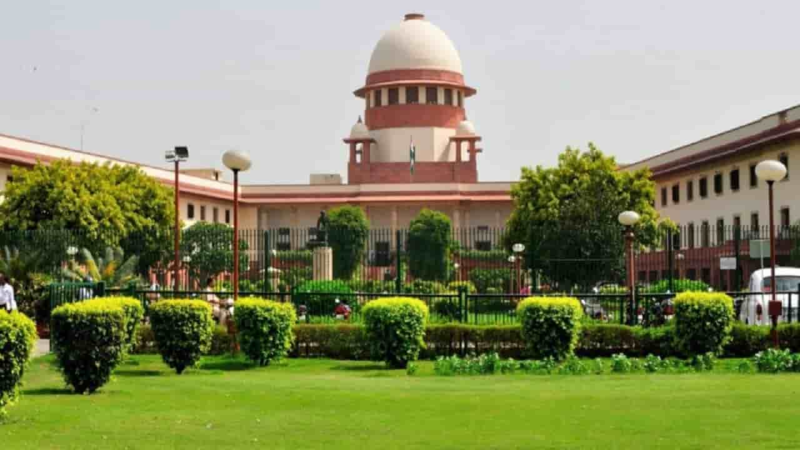
The Supreme Court of India has declared that exorbitant pricing of essential medications amounts to 'extortion'. This ruling has reignited discussions regarding the need for stringent regulations on drug prices across the country.
In recent deliberations, the court emphasised the disparity between the manufacturing costs of medications and the prices charged to patients. The ruling highlighted that excessively priced drugs deter individuals from seeking necessary treatment.
Legal experts have pointed out that the Supreme Court's intervention could serve as a catalyst for the government to reevaluate its current pricing policies and regulatory frameworks. The situation has raised concerns about accessibility to life-saving medications for economically disadvantaged populations.
Karnataka's state administration has recently taken significant steps to address this issue. It has appealed to the Union government to enforce price controls on costly cancer drugs and medical devices. The state's Health and Family Welfare Minister, UT Khader, noted that consumers are often charged between 30 to 70 times the landed cost of these medicines.
Khader's correspondence with Union Health Minister JP Nadda underscores the urgent need for a comprehensive regulatory strategy that would cap trade margins on high-value pharmaceuticals. It seeks to mitigate the substantial difference between wholesale prices and the retail charges that patients face.
Part of Karnataka's proposal includes establishing an inter-ministerial expert group tasked with investigating the pricing discrepancies and recommending solutions. This group would comprise representatives from the Union Health Ministry, the National Pharmaceutical Pricing Authority, state governments, and healthcare professionals, among others.
Furthermore, the state's letter suggests implementing mandatory itemised billing for high-value medications, which should clearly display the maximum retail price, hospital acquisition costs, and any applicable service margins. These measures aim to foster transparency and accountability within the healthcare system.
The Karnataka government is also pushing for broader oversight concerning rebates and discounts provided to hospitals, asserting that these arrangements must be factored into the overall cost structures that affect patient billing.
The recent Supreme Court ruling aligns with regional efforts to combat the rising costs of healthcare in India. It reflects an increasing recognition of the need to balance the interests of pharmaceutical companies with the imperative of ensuring affordable healthcare access for the populace.
As discussions continue, stakeholders across the health sector are closely monitoring the developments, hoping that systematic changes will offer both immediate relief to patients and pave the way for long-term sustainability in drug pricing strategies.
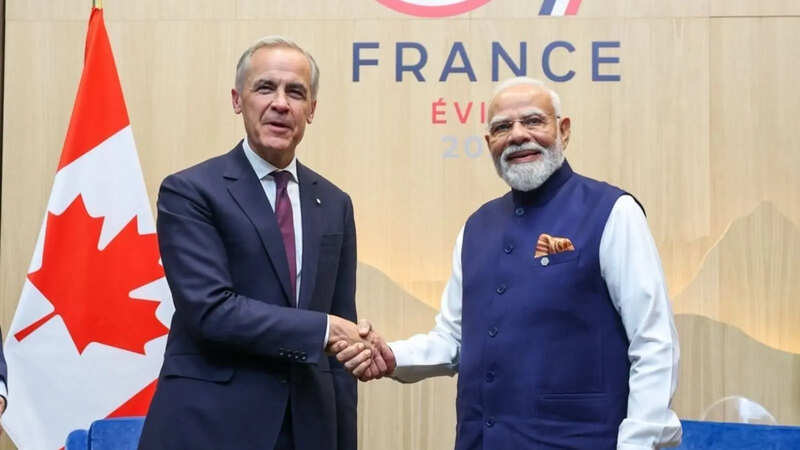
Canada and India Accelerate Trade Talks Ahead of December Visit

Richa Chadha Commends Salman Khan's Stand Against Body-Shaming

Delhi University Students Express Concerns Over Safety After Assault
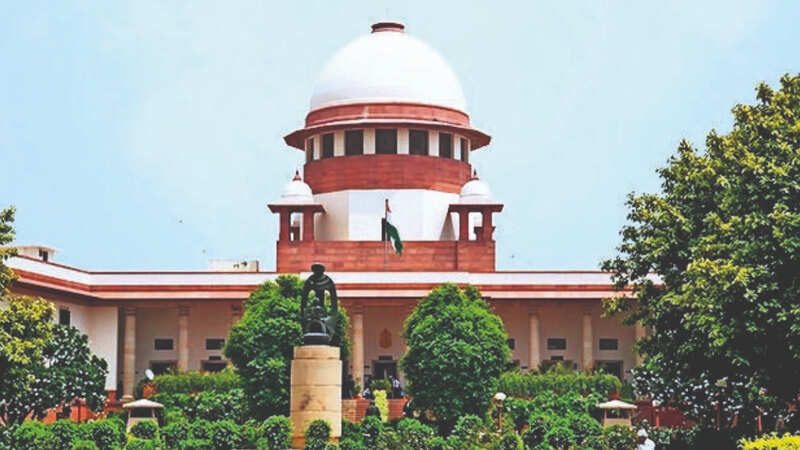
Legal Dispute Arises Over 'Vande Mataram' in Supreme Court Hearing