Supreme Court Advocates 'Romeo-Juliet' Clause for Teen Relationships


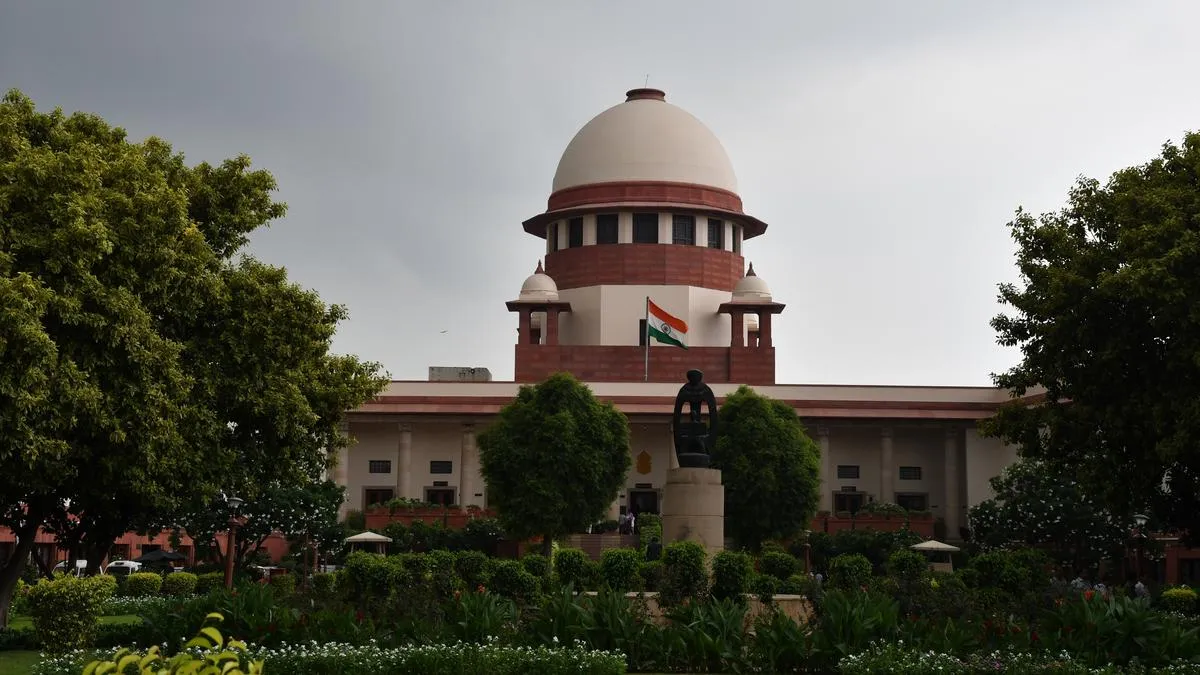
The Supreme Court of India has suggested the necessity for a 'Romeo-Juliet' clause to be included in the Protection of Children from Sexual Offences (POCSO) Act. This recommendation comes in response to concerns regarding the misuse of child protection laws which have led to the criminalisation of consensual relationships between teenagers. The Court highlighted that while the intention behind the POCSO Act is to safeguard minors, its application has resulted in unintended consequences for adolescent couples who engage in consensual relationships.
During the proceedings in the case of The State of Uttar Pradesh vs. Anurudh & Anr., the Supreme Court expressed its concern over how the law is being enacted in some instances, indicating that it is increasingly being used to prosecute young love rather than protect children.
The apex court called on the Union government to consider legislative reforms that would decriminalise consensual relationships among teenagers, particularly when both individuals involved are within a similar age bracket. The proposed 'Romeo-Juliet' clause is designed to offer protection to adolescents who engage in consensual romantic relationships, preventing harsh punitive measures from being imposed.
“It's necessary to examine how these laws can be made effective without compromising the dignity and autonomy of the youth,” a bench of judges commented, underscoring the need for a balance between protective measures and the rights of adolescents.
Critics have argued that the POCSO Act, while well-intentioned, can sometimes hinder the natural development of youthful relationships. Lawmakers are being urged to draft a clause similar to those seen in other jurisdictions, which allows for more flexibility and consideration of consent between minors.
This move comes amid broader discussions on youth rights and the need for a legal framework that recognises the complexities of teenage relationships without compromising child protection ideals. As these discussions unfold, the implications of such changes could significantly reshape the societal landscape concerning adolescent interactions in India.
The Supreme Court's advocacy for this clause is expected to ignite further debate regarding the appropriate boundaries of juvenile relationships in legal contexts and the degree to which the law should intervene in the lives of young individuals.
As the Union government considers this proposal, stakeholders from various sectors, including legal experts, youth advocates, and policymakers, are expected to engage in dialogues to address the multifaceted challenges that arise from such sensitive issues.

Kerala Initiates Probe into 2006 Suicide Case Involving CEC

Extradition of Sheikh Hasina Feasible, Says Indian High Commissioner

Punjabi Makeup Artist Mad Sandhu Shot Dead in Amritsar
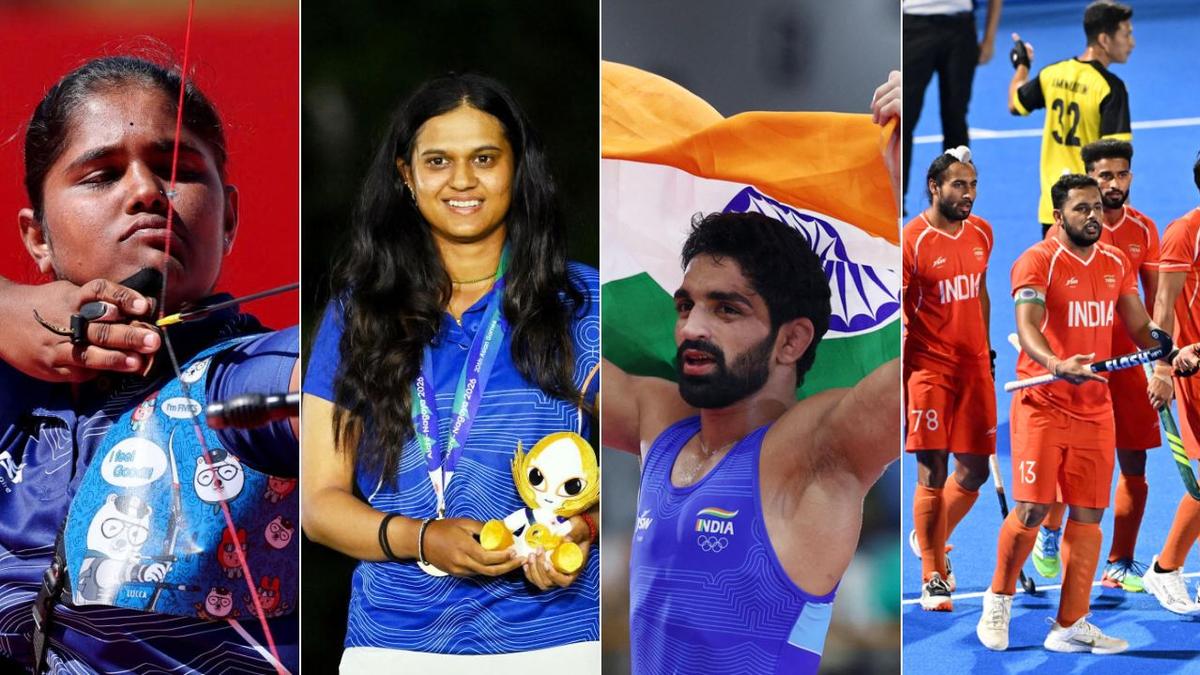
India Achieves Fourth Place at Asian Games 2026 Through Late Success