Delhi High Court Reviews Pension Rights for Live-In Partners


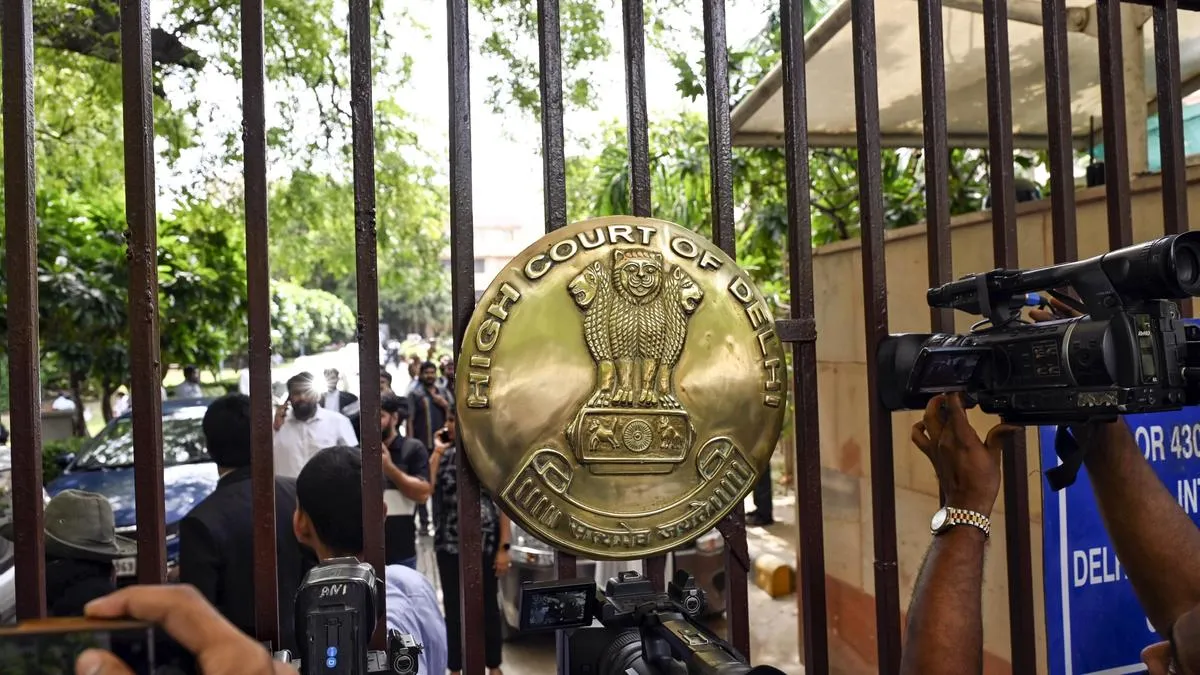
The Delhi High Court has initiated a review concerning the family pension entitlements of government employees, specifically regarding the inclusion of live-in partners. The case centres on a government worker who faced a reduction in pension because he identified his live-in partner as his wife in the official documentation without formal divorce proceedings. This situation emerged from the judgement in "Birendra Singh Kunwar v. Union of India Through Secretary (R) And Anr."
In its recent discussions, the High Court signalled the need for a reassessment of existing regulations that govern family pensions. The court has suggested that the government reflect on the implications of recognising live-in relationships within the framework of pension benefits.
The bench presiding over this case remarked on the evolving nature of family structures in modern society and questioned the rigidity of current laws that may not adequately account for diverse partnership arrangements. The judge noted, "Times have changed, and the law must reflect current realities." This acknowledgment of changing social dynamics comes at a crucial moment when increasing numbers of individuals are opting for live-in arrangements rather than traditional marriages.
Currently, family pension schemes often exclusively recognise legally wedded spouses and dependent children. This exclusion can leave many individuals without financial support from their partners upon death or retirement. Advocates for social and legal reform are encouraging policymakers to adapt to contemporary familial structures to ensure fairness and inclusivity.
The High Court's deliberation aligns with broader discussions taking place in various jurisdictions around the world, focusing on how laws can adapt to changing perceptions of relationships. Legal experts believe that a favourable ruling could enhance the rights of individuals in live-in partnerships across India.
As the case progresses, the implications of the court's decision may extend beyond pensions and influence wider discussions regarding the recognition of live-in relationships under Indian law. The Delhi High Court's willingness to engage with these issues suggests a potential shift in legal perspectives that could impact various areas of social justice and individual rights.
The next hearings will likely explore these questions in further detail, as the court aims to balance traditional legal frameworks with modern societal needs. The outcome could set a precedent for future legal considerations surrounding family and partnership rights in India.
Kerala Initiates Probe into 2006 Suicide Case Involving CEC

Extradition of Sheikh Hasina Feasible, Says Indian High Commissioner

Punjabi Makeup Artist Mad Sandhu Shot Dead in Amritsar

India Achieves Fourth Place at Asian Games 2026 Through Late Success