Cold Wave Raises Health Concerns in Northern India as Temperatures Plummet


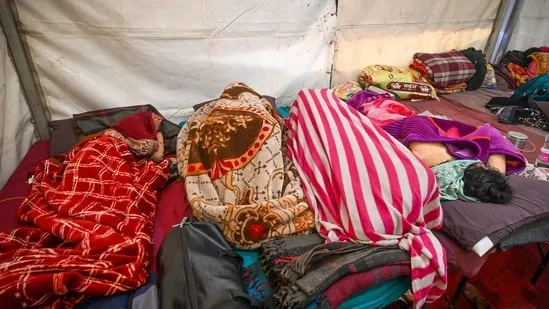
The recent cold wave affecting northern India has resulted in significantly low temperatures, prompting health warnings from medical professionals. On January 10, 2026, temperatures in Delhi dropped to 4.2 degrees Celsius, marking it as the coldest day in two years. This sudden drop has raised alarms over the increased risk of respiratory illnesses and cardiovascular problems, particularly among vulnerable populations.
Health experts have noted that the cold conditions can exacerbate existing health issues, particularly for individuals suffering from hypertension and heart diseases. Dr. Anita Sharma, a cardiologist based in Delhi, recommended that these patients take extra precautions. 'Cold weather can cause blood vessels to constrict, leading to heightened blood pressure and putting additional strain on the heart,' she stated.
In light of the plummeting temperatures, hospitals in the region have advised individuals, especially the elderly and those with pre-existing health conditions, to stay indoors and keep warm. The Health Department has issued guidelines urging residents to dress in layers, avoid outdoor activities during peak cold hours, and ensure proper heating in homes.
The current cold wave is expected to persist for at least two more days, with weather forecasts predicting continued low temperatures. As per the India Meteorological Department (IMD), northern states like Punjab and Haryana are also experiencing similar conditions, with temperatures reaching below normal levels.
Public health officials are closely monitoring the situation, advocating for vaccinations against influenza and other respiratory infections, which are more prevalent in colder months. They emphasis the importance of maintaining good hygiene, especially during this period when the risk of infection rises significantly.
In addition to health precautions, the cold wave has also impacted daily life. Residents have reported disruptions in daily activities, including delays in public transport and increased energy consumption due to heating requirements. Vendors selling warm food and beverages have noted a spike in sales as people seek relief from the biting cold.
With the health advisory in place, authorities are urging citizens to be vigilant and take necessary measures to protect themselves amid this weather crisis. The need for a collective response has never been more critical as the impact of colder temperatures extends beyond mere discomfort, affecting public health significantly.
Kerala Initiates Probe into 2006 Suicide Case Involving CEC

Extradition of Sheikh Hasina Feasible, Says Indian High Commissioner

Punjabi Makeup Artist Mad Sandhu Shot Dead in Amritsar

India Achieves Fourth Place at Asian Games 2026 Through Late Success