Study Reveals Widespread Silent Atherosclerosis Among Adults


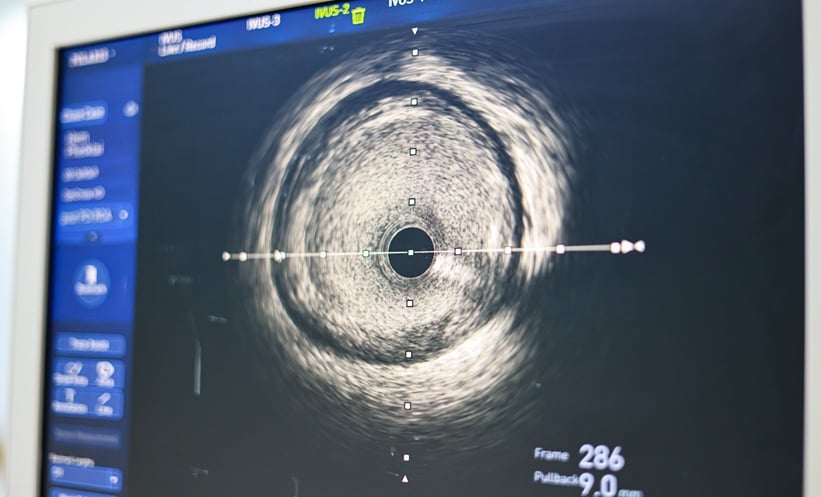
Recent findings from the REACT study have shed light on the prevalence of silent atherosclerosis across the adult lifespan. Presented at the European Society of Cardiology (ESC) Congress 2026 and concurrently published in the New England Journal of Medicine, these results indicate that silent atherosclerosis can be detected as early as young adulthood, with significant variations based on sex and age.
Currently, cardiovascular disease (CVD) claims around 20 million lives globally each year, primarily linked to atherosclerosis. This condition often develops silently over decades, generally manifesting through events such as heart attacks or strokes.
The REACT initiative, spearheaded by Professor Henning Bundgaard from Rigshospitalet - Copenhagen University Hospital in Denmark and Professor Borja Ibanez from the Centro Nacional de Investigaciones Cardiovasculares (CNIC) in Madrid, aimed to explore the presence of silent atherosclerosis in adults aged 18 to 70 years. The study used advanced imaging techniques to evaluate participants from Denmark and Spain without pre-existing CVD.
In total, the researchers examined 16,808 adults, employing three-dimensional vascular ultrasound for carotid and femoral arteries and computed tomography (CT) for coronary assessments. Findings indicated that 57.1% of the participants exhibited silent atherosclerosis, with the condition emerging in roughly one in 13 individuals aged 18-29 and escalating to nearly 90% among those aged 60-70 years.
The growth pattern of atherosclerosis was distinct; men displayed earlier onset and faster progression compared to women, who experienced a notable surge in midlife, coinciding with menopause.
Furthermore, the study revealed that most individuals with silent atherosclerosis in their coronary arteries also showed signs of the disease in carotid and/or femoral arteries. This supports the theory that silent atherosclerosis represents a systemic and progressive disease process.
The researchers also assessed how well conventional cardiovascular risk assessment tools, such as the SCORE2, identified participants with silent atherosclerosis. Results showed that only a minor segment of those with confirmed disease were classified as high-risk, particularly among younger individuals, highlighting potential gaps in current evaluation methodologies.
Professor Bundgaard remarked, "Enhancing the identification of silent atherosclerosis could significantly mitigate the global burden of cardiovascular disease. Our findings advocate for further in-depth studies to evaluate whether early imaging-based treatment can augment existing prevention strategies."
The REACT initiative plans to embark on a substantial randomised trial in its next phase, aiming to explore the impact of imaging-guided treatments, possibly including handheld ultrasound devices. This approach could pave the way for a more personalised strategy in managing atherosclerotic cardiovascular disease and potentially influencing future healthcare practices.

Kerala Initiates Probe into 2006 Suicide Case Involving CEC

Extradition of Sheikh Hasina Feasible, Says Indian High Commissioner

Punjabi Makeup Artist Mad Sandhu Shot Dead in Amritsar

India Achieves Fourth Place at Asian Games 2026 Through Late Success