Study Links Excessive Smartphone Use to Eating Disorders Risk


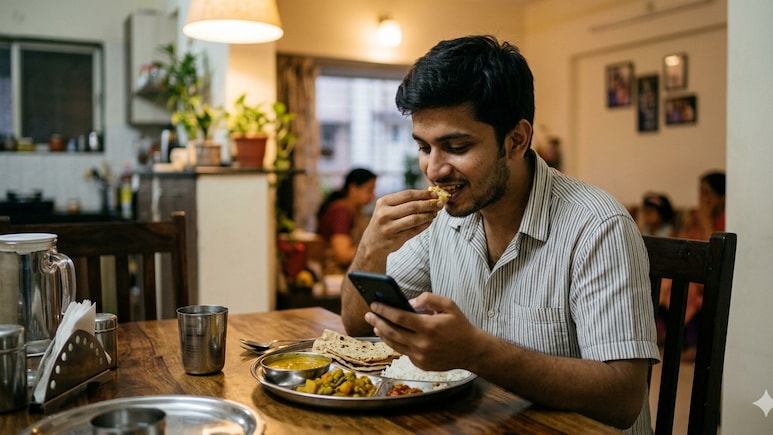
Excessive use of smartphones has been associated with a heightened risk of eating disorders among young individuals. A recent study, published in the Journal of Medical Internet Research, underscores the rising concerns surrounding digital behaviour and mental well-being. The research focused on 'Problematic Smartphone Use' (PSU), characterised by a psychological dependence on mobile devices, and its effects on eating habits and perceptions of body image.
The analysis encompassed 35 studies involving over 52,000 participants, with an average age of 17 years, reflecting a widespread trend. It discovered that young people exhibiting anxiety when separated from their smartphones or experiencing challenges in curbing their usage are more inclined to display disordered eating behaviours. These behaviours include emotional overeating, uncontrolled consumption of food, and indications of food addiction, often occurring without an official diagnosis.
Moreover, the study revealed a critical threshold concerning smartphone usage, indicating that the risk significantly escalates for those who use their devices for more than seven hours daily. Higher rates of dissatisfaction with body image were also noted, driven by relentless exposure to idealised images on social media and other online platforms.
Researchers emphasised the important distinction between general screen time and PSU. The latter is characterised by withdrawal symptoms, a lack of control, and distress that impacts daily functioning. While it was concluded that smartphones do not directly trigger eating disorders, they serve as a significant contributing factor.
In addition to influencing eating behaviours, excessive smartphone use has been linked with broader complications, such as anxiety, depression, decreased physical activity levels, and diminished productivity. The findings from this study suggest that addressing digital habits could be vital in both prevention and treatment strategies.
Experts recommend establishing limits on screen time, incorporating regular breaks from devices, and promoting offline activities to bolster both mental and physical health. These steps aim to counteract the negative effects associated with excessive smartphone usage, especially among the younger population.

Concerns Rise Over Delhi Voter Registration Discrepancies
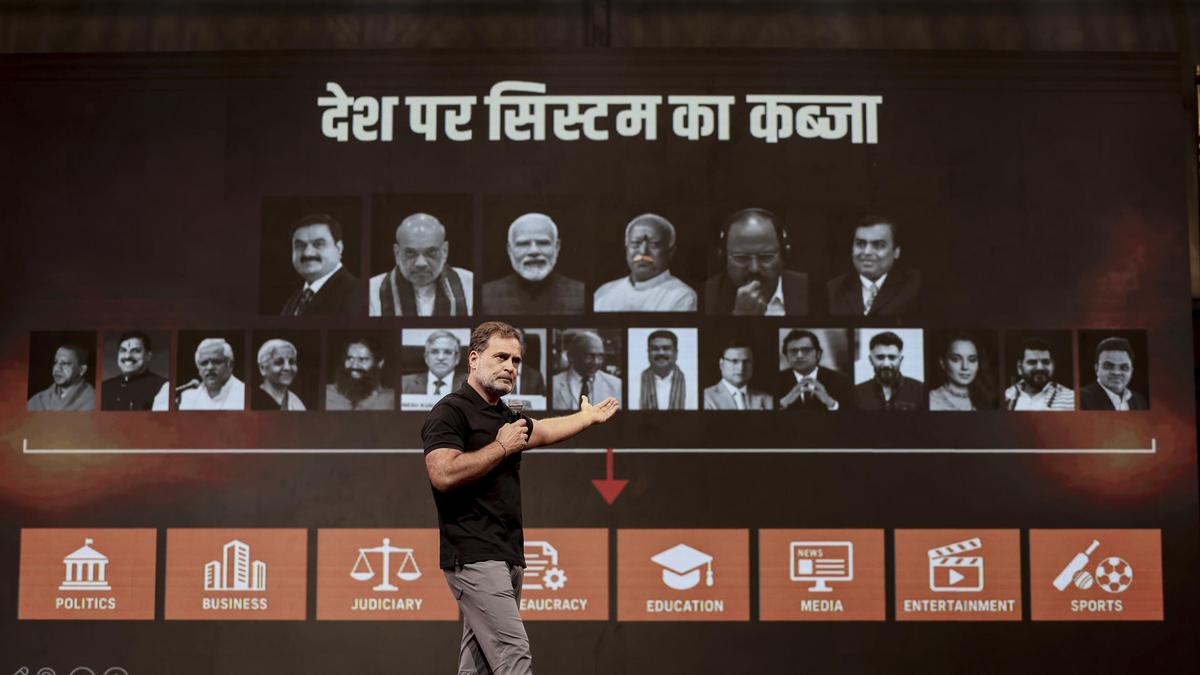
Controversy Erupts Over Rahul Gandhi's PM Modi Mimicry at Event

Father of IIT Bombay Student Calls for Action Against Discrimination

India and Japan Conduct Joint Air Exercise 'Veer Guardian-2026'