Study Finds Wine Drinkers Have Lower Heart Disease Risk


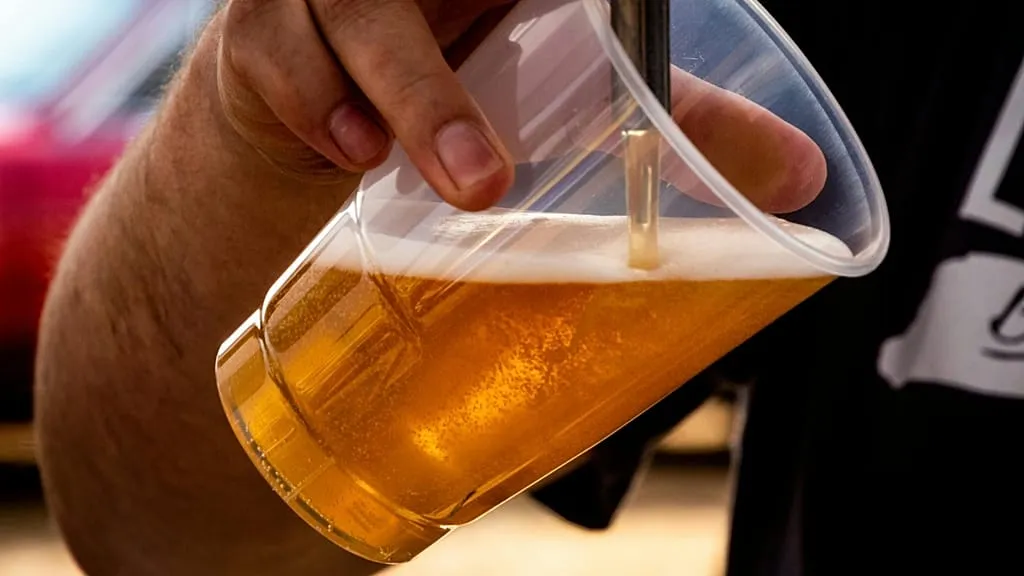
New research has revealed that moderate wine drinkers may have a significantly lower risk of cardiovascular death compared to consumers of other types of alcohol. This study suggests that the type of alcoholic beverage matters, potentially influencing health outcomes. According to the findings set to be presented at the American College of Cardiology’s Annual Scientific Session, low to moderate alcohol consumption could yield different risk levels based on beverage type.
The research, which involved data from over 340,000 adults in the UK Biobank collected between 2006 and 2022, indicated that those who consumed wine in moderation had a 21 percent reduced risk of dying from heart-related issues. Conversely, participants who consumed lower amounts of spirits, beer, or cider experienced a 9 percent increase in mortality risk.
Zhangling Chen, the senior author of the study, emphasised that these observations come from the general population and suggested that individuals in high-risk categories, such as those with chronic illnesses, might be subjected to greater risks. "These results come from the general population, and in certain high-risk groups, such as people with chronic diseases or cardiovascular conditions, the risks could be even higher," she noted.
Participants in the study were categorised based on their alcohol intake measured in grams of pure alcohol consumed daily and weekly. The follow-up extended beyond 13 years on average. Notably, heavy drinkers showed alarming statistics, being 24 percent more likely to die from any cause, 36 percent more likely to die from cancer, and 14 percent more likely to die from heart disease, compared to non-drinkers or those who drank infrequently.
As alcohol consumption amounts varied, the type of drink consumed revealed critical differences. Individuals who consumed spirits, beer, or cider faced a higher mortality risk, while those who drank moderate amounts of wine showed reduced risks. Chen highlighted the importance of these findings, stating, "Our findings help clarify previously mixed evidence on low to moderate alcohol consumption. These findings can help refine guidance, emphasising that the health risks of alcohol depend not only on the amount of alcohol consumed, but also on the type of beverage."
The disparity in health risks could relate to the compounds in wine, such as polyphenols and antioxidants, in addition to lifestyle factors associated with wine drinkers. Chen explained that wine consumption is often linked with meals and diets considered healthier, whereas spirits, beer, and cider are frequently associated with poorer eating habits and other risk factors.
Despite the insightful findings, the study does have limitations. As an observational study, it cannot definitively establish cause-and-effect relationships. Additionally, alcohol consumption was self-reported at the study's commencement without adjustments for changes in habits over time. The UK Biobank cohort tended to comprise healthier and more affluent individuals, possibly affecting the broad applicability of the results. Researchers advocating for randomised trials concluded that further studies are necessary to clarify the impact of different alcoholic beverages.
This study adds to the ongoing conversation about the potential health risks tied to even moderate alcohol consumption. For instance, research published last year in BMJ Evidence-Based Medicine suggested a connection between greater alcohol intake and an increased risk of dementia. Stephen Burgess, a statistician at the University of Cambridge, stated, "For anyone who chooses to drink, our study suggests that greater alcohol consumption leads to higher risk of dementia." Another study involving brain scans found that consuming one or two units of alcohol daily might contribute to brain volume reduction and structural changes linked to memory decline and dementia.

US Approves Visa for Iranian Delegation Amid Ongoing Conflict

Election Commission Restricts TMC Use of Name and Symbol in Bypolls
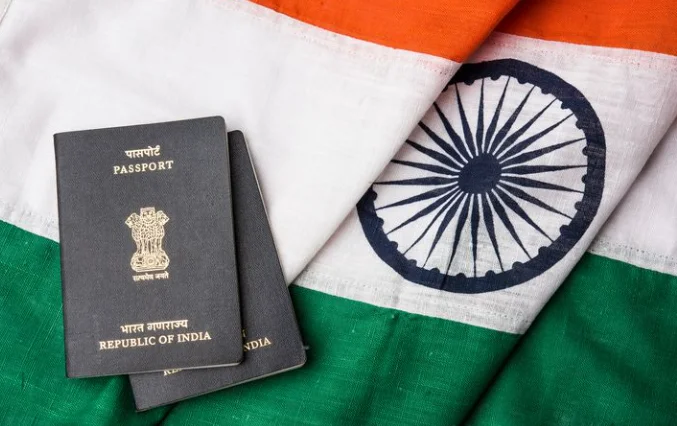
India Revises Passport Rules for Minors Under 15 Years Old

World's Highest Flower Fields Open in Leh, Ladakh at 10,600 Feet