Statins May Reduce Dementia Risk by 15%, Research Indicates


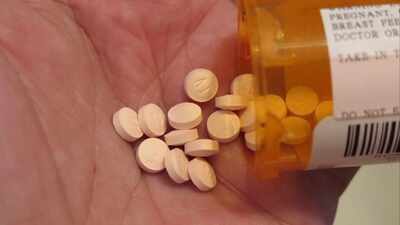
A recent 15-year study indicates that statins, commonly prescribed medicines to lower cholesterol, may lessen the risk of developing dementia by as much as 15%. This research underscores the importance of early intervention; the earlier individuals begin taking statins, the greater the potential protective effect against dementia.
The study, which examined over 132,000 people in Denmark from 2006 to 2021, revealed that participants who began using statins during the study were 10% less likely to develop dementia, with early adopters showing a 15% reduction in risk. The findings were presented at the annual congress of the European Society of Cardiology (ESC) and were simultaneously published in the Lancet Regional Health Europe.
Prof Isabel Goncalves, a member of the ESC communication committee and not directly involved in the research, commended the study's implications, noting that statins are readily available and relatively inexpensive. These drugs work by reducing low-density lipoprotein (LDL) cholesterol, which is associated with a higher likelihood of heart attacks and strokes, while also potentially safeguarding brain health.
High LDL cholesterol can result in the hardening or narrowing of blood vessels, which are critical for delivering blood to the brain. Disruptions in this blood supply may elevate the risk of developing dementia. According to previous research published by the Lancet dementia commission, addressing modifiable risk factors from childhood could prevent or delay as much as 45% of dementia cases.
Dr Tummas Ternhamar, from Copenhagen University Hospital and the study’s presenter, explained that the findings support a comprehensive approach to preventing dementia. He elaborated, stating, “Our study supports the idea that dementia risk is best addressed by targeting several factors at once, and that cholesterol may belong on that list.”
In the cohort of 132,585 participants, 2.7% eventually developed dementia. The study found that initiating statin treatment early corresponded to a 15% lower risk of dementia in a span of ten years, whereas starting treatment later correlated with a 10% reduced risk.
Researchers are continuing to explore the mechanisms through which statins may reduce dementia risk. Dr Ternhamar noted, “Statins effectively lower LDL cholesterol and protect against atherosclerosis and atherosclerotic cardiovascular diseases,” suggesting that these protective effects may extend to brain health.
Dr Honorine Lebraud, a senior partnerships manager at Alzheimer’s Research UK, highlighted that the observational study contributes to the growing body of evidence linking heart health with cognitive function. She commented, “It reinforces the fact that what is good for the heart is good for the brain.”
Though the current findings are significant, experts caution that more research is needed to establish a direct causal link between statins and dementia risk reduction. Prof Bryan Williams, chief scientific and medical officer of the British Heart Foundation, emphasised that while the study shows correlation, it does not conclusively prove causation. He stated, “That said, there is evidence from trials that do show that statins reduce the risk of dementia, so the findings in this study are certainly plausible.”
With the global population of individuals living with dementia projected to reach 153 million by 2050, the implications of this research could be considerable. Experts believe that nearly half of dementia cases could be either prevented or delayed, marking a critical area for future health strategies and interventions aimed at reducing dementia risk.

Kerala Initiates Probe into 2006 Suicide Case Involving CEC

Extradition of Sheikh Hasina Feasible, Says Indian High Commissioner

Punjabi Makeup Artist Mad Sandhu Shot Dead in Amritsar

India Achieves Fourth Place at Asian Games 2026 Through Late Success