Starlink's Entry into Pakistan Delayed Over Security Issues


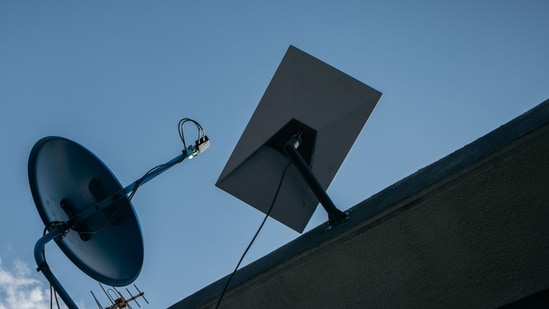
The initial licensing of Starlink, the satellite internet service owned by entrepreneur Elon Musk, to operate in Pakistan has been postponed. This decision arises from concerns related to data security and ongoing geopolitical issues, as reported by local media.
Officials have indicated that potential risks associated with data transmission by Starlink, which could circumvent Pakistan's regulatory and monitoring framework, have contributed to the licensing delay. According to the Express Tribune, a senior government official stated, "We cannot allow a license to Starlink without ensuring a safety check to ensure the safety of the data of consumers in Pakistan."
The approval process for Starlink has been further complicated by the diplomatic relationship between the United States and Pakistan, especially following the political tension between Musk and former US President Donald Trump. Despite their earlier amiable relationship, recent developments have made Pakistani authorities cautious. The improvement in relations between Washington and Islamabad has made the government wary of any moves that could potentially raise issues with US officials.
Particular scrutiny has focused on how Starlink could handle sensitive consumer data while providing its internet services. Unlike traditional internet services in Pakistan, which are largely controlled domestically, authorities fear losing control over data with the introduction of foreign satellite providers. The Pakistan Telecommunication Company Limited (PTCL) currently manages the country’s undersea cable infrastructure, ensuring a degree of oversight.
The projected rollout of Starlink and similar services would mainly target remote areas of Pakistan, such as Balochistan, where standard internet access remains a challenge. The potential benefits these satellite services could bring to underserved regions have made the approval process a subject of intense debate.
However, concerns persist about the government’s ability to monitor and, if necessary, restrict such satellite internet services in times of security crises. Currently, five companies are vying for licenses to operate satellite internet services in Pakistan, including Starlink and the China-based Shanghai Spacecom Satellite Technology Limited.
Chinese firms have been noted for their competitive edge in Pakistan's telecommunications sector, particularly as they actively seek to carve out a market share in satellite internet services. Officials from the Pakistan Space Activities Regulatory Board (PSARB) mentioned that while they have engaged stakeholders and completed necessary consultations, additional time is required to establish adequate safety protocols before any satellite-based services are permitted to launch.
In summary, Starlink’s entry into the Pakistani market remains in limbo, primarily due to concerns over data security and existing geopolitical tensions, as authorities seek to ensure consumer protection and regulatory compliance.

Impact of Trump's Tariff Law on India's Oil Imports and Trade

United Russia Party Secures Supermajority Despite Ukraine Conflict
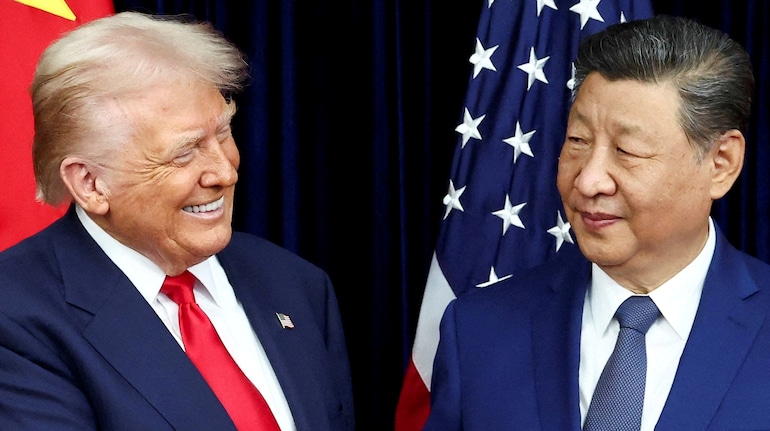
Xi Jinping's US Visit Planned Amid Economic Tensions with Trump
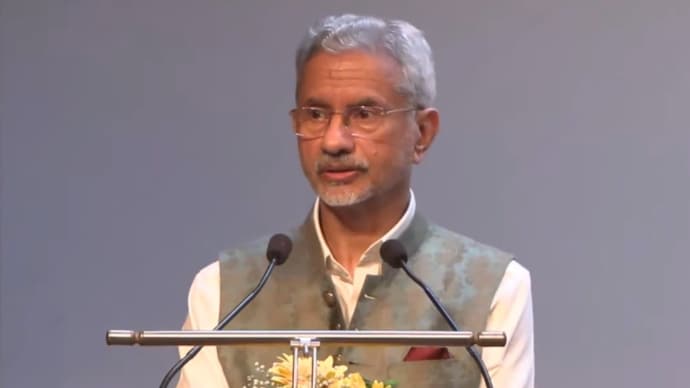
India's External Affairs Minister to Address UNGA Amid US Tariff Changes