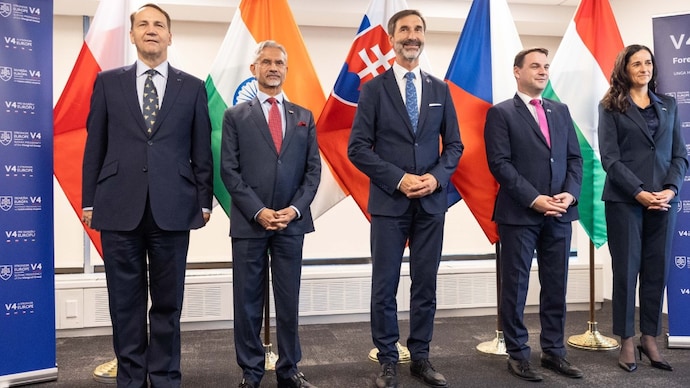
Spain Imposes Border Controls with Italy Amid Migrant Crisis


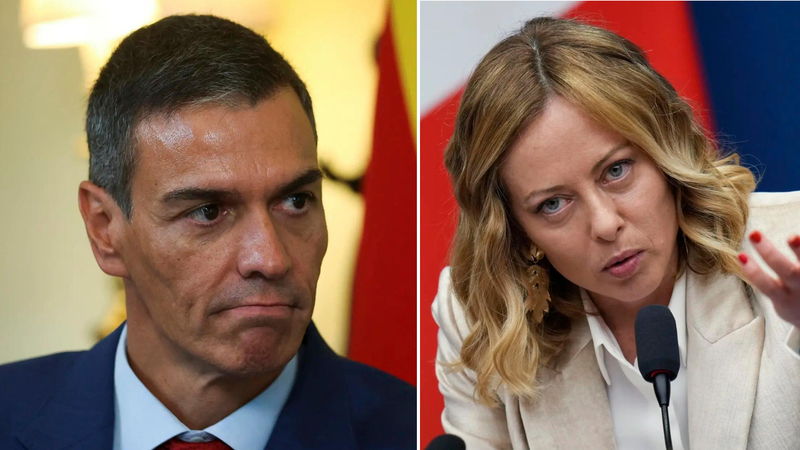
Spain has implemented border checks on all air and sea travel from Italy as tensions escalate over the recent influx of migrants to the Spanish exclave of Ceuta. The new measures took effect at midnight local time and are set to last for one month. This decision follows Italy's similar actions after approximately 78,000 migrants from Morocco recently reached Ceuta.
Last week, Spain called on Italy to rescind its border controls by Sunday, but Italian authorities indicated they would remain in place until at least 15 August. Italian officials cited concerns about a potential second wave of migrants expected to arrive in Ceuta. This disagreement has intensified the ongoing diplomatic rift between the two countries, led by Spanish Prime Minister Pedro Sanchez and Italian Prime Minister Giorgia Meloni.
Italy has justified its temporary suspension of the Schengen Agreement, which allows for passport-free travel across many European countries, as a necessary measure to prevent migrants from moving onward to Italy. In response, Spain dismissed these claims, asserting that they were based on unfounded arguments, especially since those entering Ceuta were not able to access the Schengen zone.
The Italian government firmly stated it would not yield to what it described as ultimatums from Madrid. Rome reiterated its commitment to maintaining security protocols, stating that checks introduced for non-European Union citizens would remain until security risks were eliminated.
Reports from El Pais indicate that long queues have been observed at various airports, with passengers arriving from Spain facing specific checks. In contrast, Spanish citizens remain exempt from these additional procedures.
Spain's response to Italy's actions includes enforcing comprehensive checks for passport, nationality, and visa for all Italian passengers and visitors from other countries arriving from Italy. The Spanish government cited persistent irregular migration pressures as the rationale for these countermeasures, which will remain in effect until 7 September unless the situation changes.
Temporary suspensions of the Schengen Agreement are not new; Italy has previously enacted border checks with Slovenia. The current situation highlights the complex dynamics within the EU regarding migration policies, particularly as Italy's decision has garnered backing from countries such as Finland and Denmark. Conversely, the Czech Republic has suggested that Spain's EU membership should be temporarily suspended.
Most of the migrants who reached Ceuta recently were returned within days, with nearly 1,400 minors, some described as very young, still in the area. Spanish authorities have yet to predict a second wave of crossings, although there are social media discussions among Moroccan users about another attempt.
The circumstances leading to the surge in crossings remain somewhat unclear. EU Migration Commissioner Magnus Brunner indicated that disinformation from criminal networks might have contributed significantly. The Spanish government concurred with this assertion, as concern grows over the implications of Spain’s Supreme Court ruling, which prevents the summation return of intercepted migrants at sea.
Morocco has attributed part of the crisis to this court decision, citing a collapse in deterrence measures due to judicial intervention. Notably, the influx has raised questions regarding the effectiveness of Morocco's border enforcement, particularly as the sheer number of migrants raises concerns about safety and security.
The sovereignty of Ceuta has been a long-standing issue between Spain and Morocco, which does not formally recognise Spanish control over the territory. Tensions surrounding this subject, coupled with the migrant crisis, are expected to resurface as both nations navigate their responses to these developments.
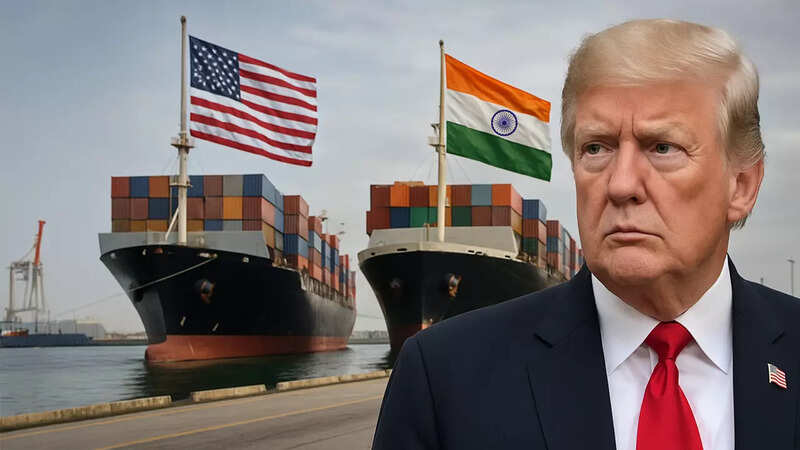
Impact of Trump's Tariff Law on India's Oil Imports and Trade
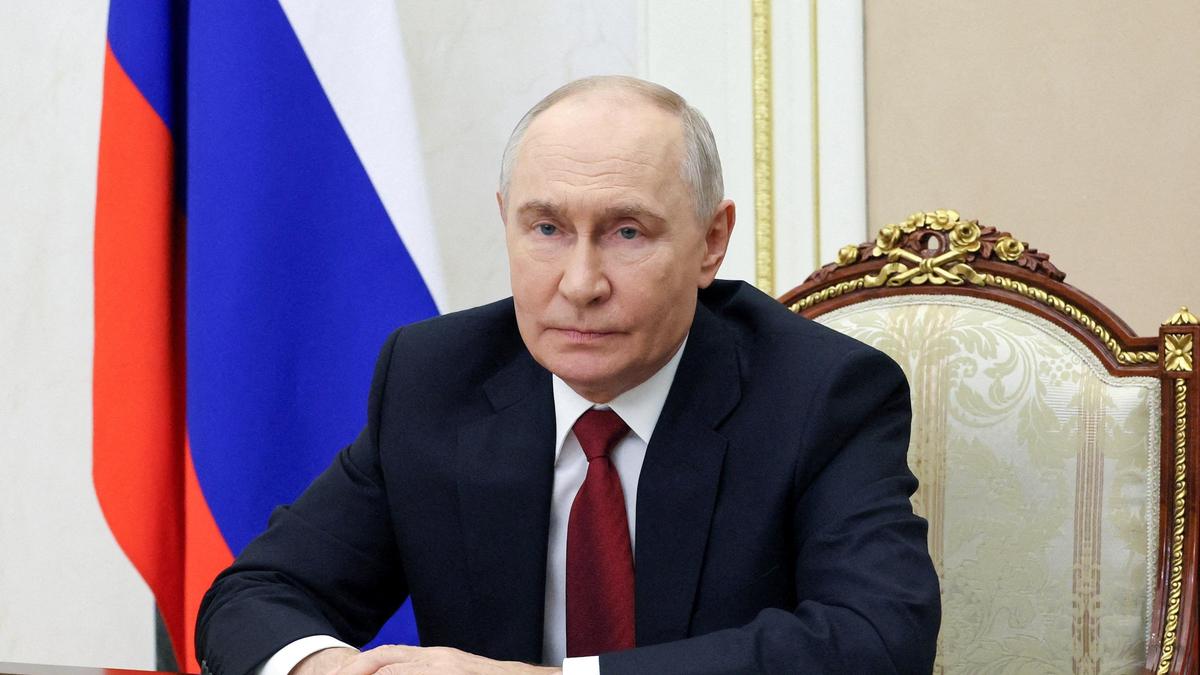
United Russia Party Secures Supermajority Despite Ukraine Conflict
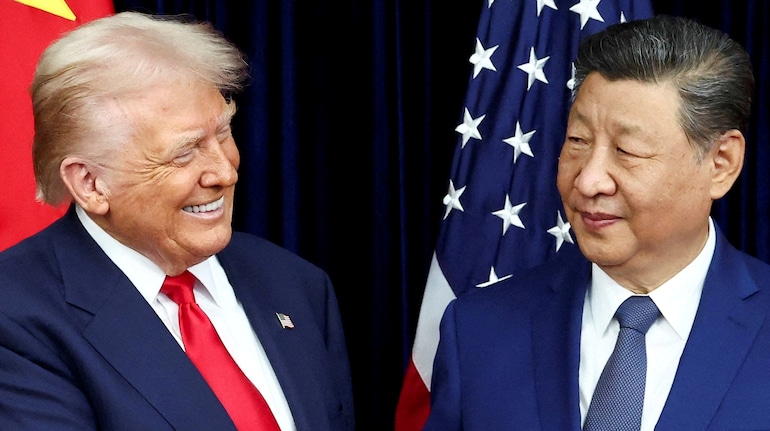
Xi Jinping's US Visit Planned Amid Economic Tensions with Trump
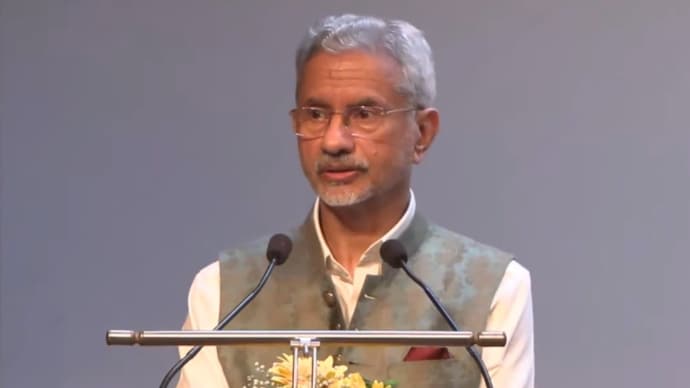
India's External Affairs Minister to Address UNGA Amid US Tariff Changes