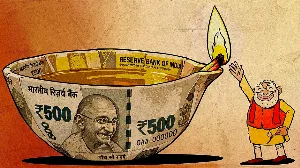
Six Utilities Achieve A+ Ratings as India's Power Sector Improves


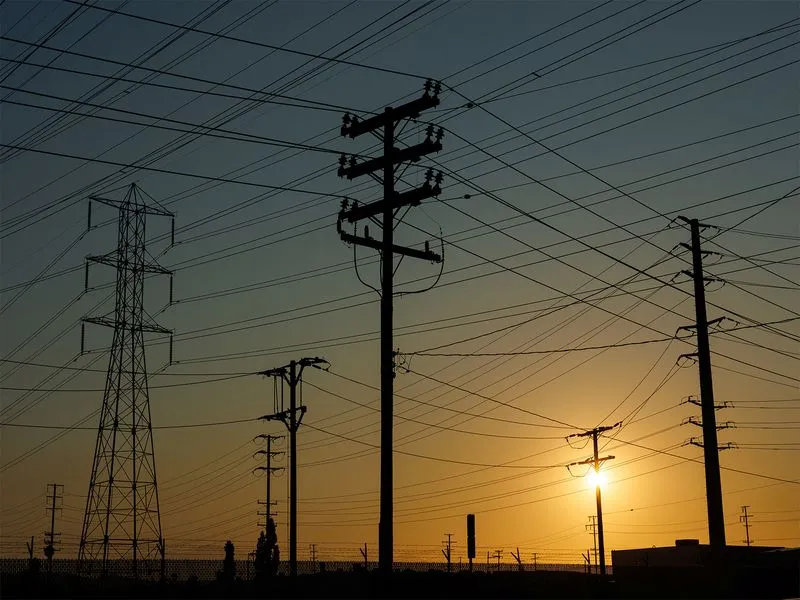
The Indian power distribution sector has demonstrated significant advancements in consumer service delivery, as outlined in the latest Consumer Service Rating of Distribution Companies (DISCOMs) for the financial year 2024-25. The report, released by the Ministry of Power and the Rural Electrification Corporation (REC), assesses the performance of electricity distribution companies across various operational metrics and highlights a positive trend in efficiency and reliability.
According to the report, there has been a notable improvement in the operational performance of DISCOMs over the past three years. The number of utilities classified under the higher rating bands of A+, A, and B+ has nearly doubled compared to the previous year, FY 2022-23. In contrast, the share of DISCOMs in lower categories has consistently decreased. This progress underscores ongoing efforts to tackle operational inefficiencies and enhance service standards across the sector.
Out of 76 DISCOMs that were considered for assessment, 66 were evaluated after 10 were excluded due to non-participation or lack of adequate data. These 66 companies collectively serve about 345 million consumers in India. Of these, six DISCOMs achieved the highest rating of A+, and notably, none fell into the lowest category of D. Additionally, 27 DISCOMs were rated at B+, indicating average performance. Overall, nearly 88 percent of the evaluated DISCOMs fall within categories A, B+, and B, demonstrating a concentration of utilities in the mid-to-high performance tiers.
The report indicated that the national average score among the DISCOMs is 76.97 out of 100, with 29 utilities surpassing this benchmark. Private DISCOMs performed particularly well, with none receiving scores below B+. On the other hand, while many state-run DISCOMs maintained acceptable performance levels, a few languished in lower grades, such as C+ and C.
To structure the assessment, the CSRD framework evaluates DISCOMs based on four primary parameters: operational reliability, connections and services, metering, billing and collection, and fault rectification alongside grievance resolution. These parameters are subdivided into 23 sub-metrics to allow a thorough evaluation of service delivery.
A strong focus was placed on operational reliability, with urban areas recording an average supply duration of 23.32 hours per day, approaching the target of 24-hour availability. Meanwhile, rural areas had an average of 22.60 hours of supply. Notable DISCOMs, including those serving regions like Delhi and Maharashtra, managed to provide full 24-hour service in urban zones. However, the report noted that 26 utilities still fall short of the national average, indicating further improvement is essential.
The interruption index, which gauges supply stability, showed significant variance among DISCOMs. While some reported minimal service interruptions, the national average remained high, suggesting inconsistent performance in managing outages and ensuring grid stability. Failure rates in distribution transformers also highlighted variations, with an average failure rate of 5.02 percent across the sector; some utilities reported failure rates below 1 percent while others had substantially higher figures.
The report emphasised the increasing influence of digital technology in improving service provision. Approximately 49 DISCOMs have fully adopted online application processing systems, while others still use a combination of manual and digital methods. Advancements in digital billing, mobile updates, and sophisticated metering infrastructure have begun to enhance transparency and consumer engagement. This digital transition is facilitating quicker grievance resolution and improving billing accuracy.
Furthermore, the concept of 'prosumers'—consumers who produce and consume electricity—has been gaining popularity, particularly in states like Gujarat and Kerala, highlighting a shift towards decentralised energy models.
Improvements in DISCOM performance have been credited to various sustained policy initiatives led by the government. Programmes such as the Saubhagya scheme, UDAY, Integrated Power Development Scheme (IPDS), Deendayal Upadhyaya Grameen Jyoti Yojana (DDUGJY), and the Revamped Distribution Sector Scheme (RDSS) have been pivotal in enhancing infrastructure, increasing access, and bolstering financial and operational efficiency. The integration of renewable energy sources, alongside the adoption of rooftop solar and electric vehicle infrastructure, is also transforming the landscape of power distribution, prompting utilities to adapt to changing demand and complexities within the system.

US Approves Visa for Iranian Delegation Amid Ongoing Conflict

Election Commission Restricts TMC Use of Name and Symbol in Bypolls
India Revises Passport Rules for Minors Under 15 Years Old

World's Highest Flower Fields Open in Leh, Ladakh at 10,600 Feet