Singapore's Lawrence Wong Receives $1 Million Salary Increase


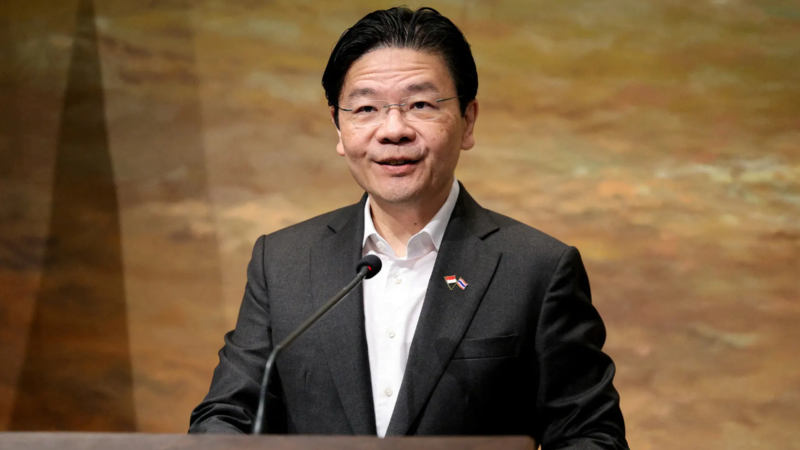
The government of Singapore has officially announced a salary increase for its ministers and office holders, including the Prime Minister, Lawrence Wong, who is noted as the highest-paid political leader globally. Wong's annual remuneration will rise by 1.4 million Singapore dollars, equivalent to approximately 1.1 million US dollars or 818,000 British pounds. He has committed to donating this increase to charitable causes over the next five years.
Wong explained that the rationale behind the pay increase is to attract high-calibre talent to serve in the public sector. While the government has previously stated that competitive salaries help to prevent corruption, this recent announcement has faced backlash amid rising living costs and job insecurity for many Singaporeans. Critics point out that the new salary increase comes at a time when average incomes in Singapore lag significantly behind those of government officials.
Currently, Wong's salary stands at 2.2 million Singapore dollars but will grow by over 60% to 3.6 million Singapore dollars, roughly 2.8 million US dollars. For context, other global leaders, such as John Lee, the Chief Executive of Hong Kong, earn about 719,000 US dollars, while Switzerland's President Guy Parmelin receives around 606,000 US dollars. In comparison, the President of the United States and the Prime Minister of the United Kingdom earn 400,000 dollars and 230,000 dollars per year, respectively.
In a statement addressing the situation, Wong acknowledged the growing public scrutiny regarding the salaries of ministers, especially given that the median monthly salary in Singapore is 5,775 Singapore dollars. He noted, "I believe this will give me and future prime ministers a better chance of persuading capable Singaporeans to step forward, and of building the strongest possible team for Singapore."
Currently, the base salary package for ministers is approximately 1.1 million Singapore dollars, which is expected to rise to around 1.2 million Singapore dollars under the new pay scheme. Wong indicated that by the end of the current government term, many ministers could see salaries exceed 1.35 million Singapore dollars, as these will rise in accordance with performance metrics linked to national objectives such as GDP growth and unemployment rates.
This issue is particularly sensitive, as concerns about ministers' salaries have persisted in Singapore's political landscape. The ruling People’s Action Party (PAP) has faced criticism over these high figures in the past, notably during the 2011 general election when dissatisfaction over salaries and immigration policies influenced voter sentiment.
In 2012, in light of public feedback, the government made notable reductions to ministerial salaries. Wong's predecessor, Lee Hsien Loong, also pledged to donate his salary increments to charity back in 2007.
Proponents of the pay increase argue that attracting top-tier professionals for public service is essential for effective governance, maintaining that competitive salaries are crucial to recruiting leaders capable of steering the country towards its goals. In contrast, opposition voices, particularly on social media, describe the move as insensitive given ongoing discussions surrounding employment stability and cost-of-living pressures. They characterise it as "tone-deaf" amidst growing uncertainty regarding job security, especially since the latest government figures show retrenchments in Singapore at their highest in over five years.
As the debate continues, the Singaporean government maintains that the current pay structure effectively curtails corruption, an assertion supported by the nation's top rankings on the Transparency International Corruption Perceptions Index. Nonetheless, the divergence between ministerial salaries and average incomes remains a contentious topic in the nation.
Kerala Initiates Probe into 2006 Suicide Case Involving CEC
Extradition of Sheikh Hasina Feasible, Says Indian High Commissioner

Punjabi Makeup Artist Mad Sandhu Shot Dead in Amritsar
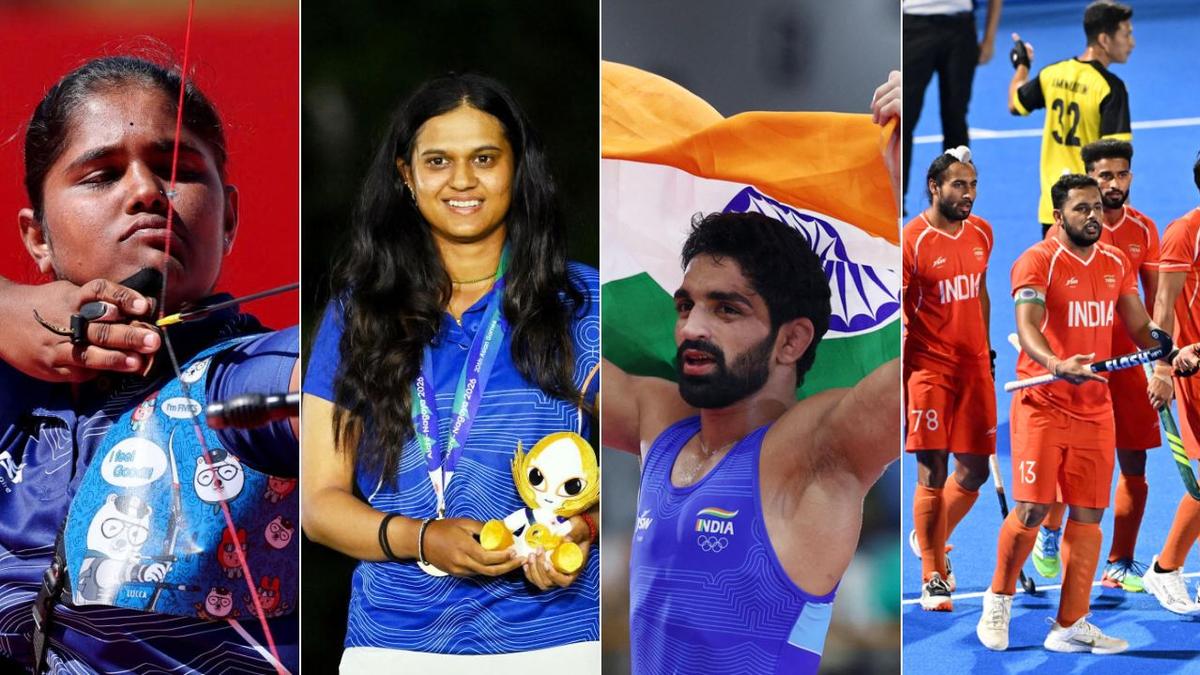
India Achieves Fourth Place at Asian Games 2026 Through Late Success