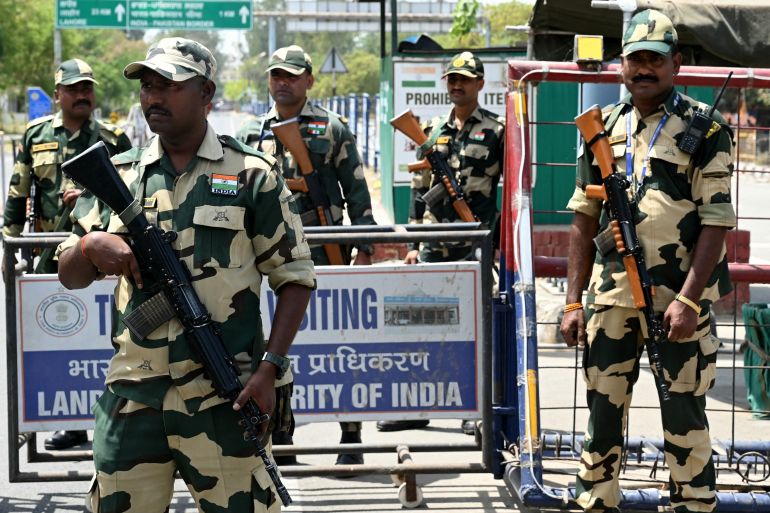
Shifts in India-Bangladesh Relations as PM Modi Reaches Out


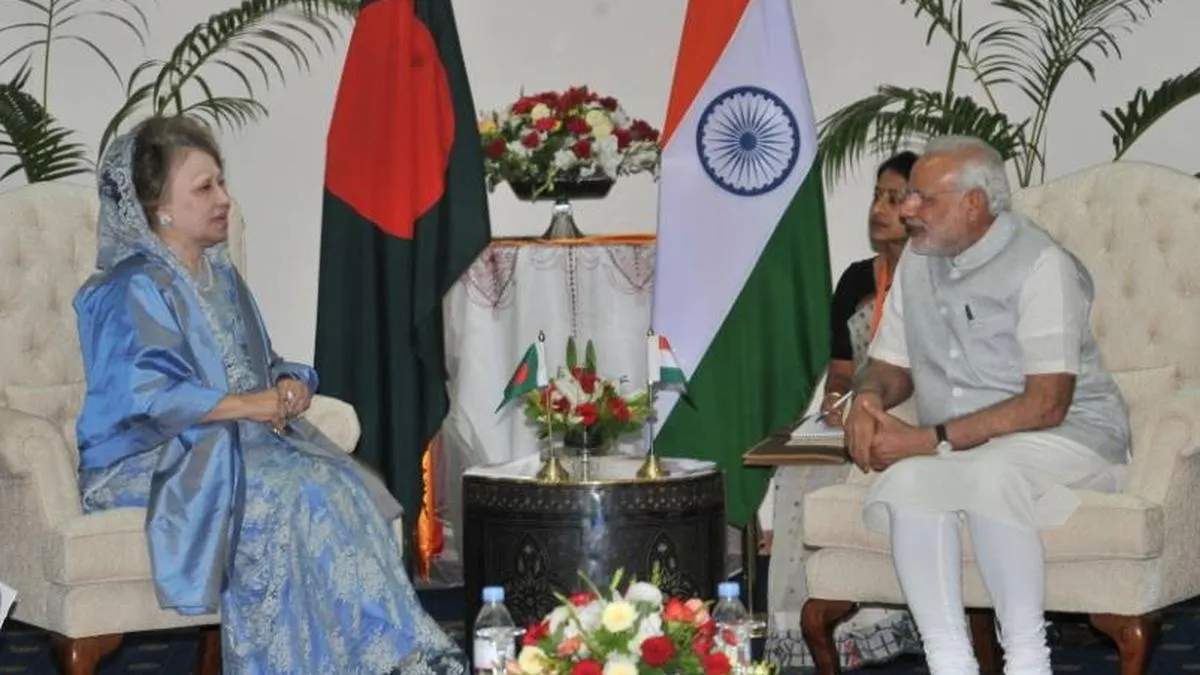
In recent weeks, there have been indications of a thaw in relations between India and Bangladesh, moving beyond the previous tensions associated with Sheikh Hasina's leadership. This change may have been initiated by a visit from Bangladesh's National Security Adviser to New Delhi, followed by a noteworthy message from Indian Prime Minister Narendra Modi directed at Khaleda Zia, the former Prime Minister and rival of Hasina, who is currently in critical health.
Following the visit of Bangladesh's National Security Adviser Khalilur Rahman to India, Prime Minister Modi expressed his concerns regarding Khaleda Zia's health through a social media post, offering 'all possible support' for her recovery. This gesture has sparked discussions about the potential for improved diplomatic relations between the two nations. The Bangladesh Nationalist Party (BNP), which Zia leads, welcomed Modi's message, describing it as a 'gesture of goodwill.'
Khaleda Zia has a long-standing political rivalry with Sheikh Hasina and has faced significant health challenges. After being admitted to a hospital in Dhaka with a lung infection, her condition has reportedly worsened, necessitating her placement on a ventilator. The BNP's secretary general, Mirza Fakhrul Islam Alamgir, has characterised her health as 'very critical.'
The evolving political landscape in Bangladesh has also prompted India to reconsider its previous approach, which had heavily favoured Hasina's Awami League. With elections set for February 2026, the BNP is perceived as a strong contender. A recent opinion poll indicated that Zia's party could secure a significant number of seats, positioning it as a major player in the upcoming political environment.
Despite unresolved issues from the past, including concerns over Hasina's government and its implications for bilateral ties, Bangladesh's foreign affairs adviser, Mohammad Touhid Hossain, has indicated that the relationship with India will not be hindered by these matters. He noted, 'Our interests will remain, and our efforts to secure them will continue... But I don’t think everything else will be stuck because of this.'
In a broader context, the rise of radical political elements in Bangladesh, particularly the Jamaat-e-Islami party, has raised alarms in New Delhi. Analysts have warned that the resurgence of Jamaat, which has historical ties to Pakistan, could pose significant challenges for India. The BNP’s distancing from Jamaat in the forthcoming elections is seen as a positive development for Indian interests.
Amidst these political dynamics, the meeting between Khalilur Rahman and Indian National Security Adviser Ajit Doval underscored both countries' willingness to engage despite the tense backdrop. The visit marked a significant step in restoring communication channels following a period of strained relations.
As the political climate in Bangladesh continues to evolve, India’s increasing outreach to the BNP may reflect a strategic pivot aimed at securing a stable relationship with whichever party emerges victorious in the upcoming elections. With Khaleda Zia's health concerns at the forefront, there is a growing sentiment within the BNP that her son, Tarique Rahman, may need to return from London to lead the party in the elections.
In conclusion, as both India and Bangladesh navigate this complex political landscape, Modi's outreach to Khaleda Zia could signal a new chapter in bilateral relations, one that prioritises stability and mutual interests amidst a backdrop of political uncertainty.
Kerala Initiates Probe into 2006 Suicide Case Involving CEC
Extradition of Sheikh Hasina Feasible, Says Indian High Commissioner
Punjabi Makeup Artist Mad Sandhu Shot Dead in Amritsar
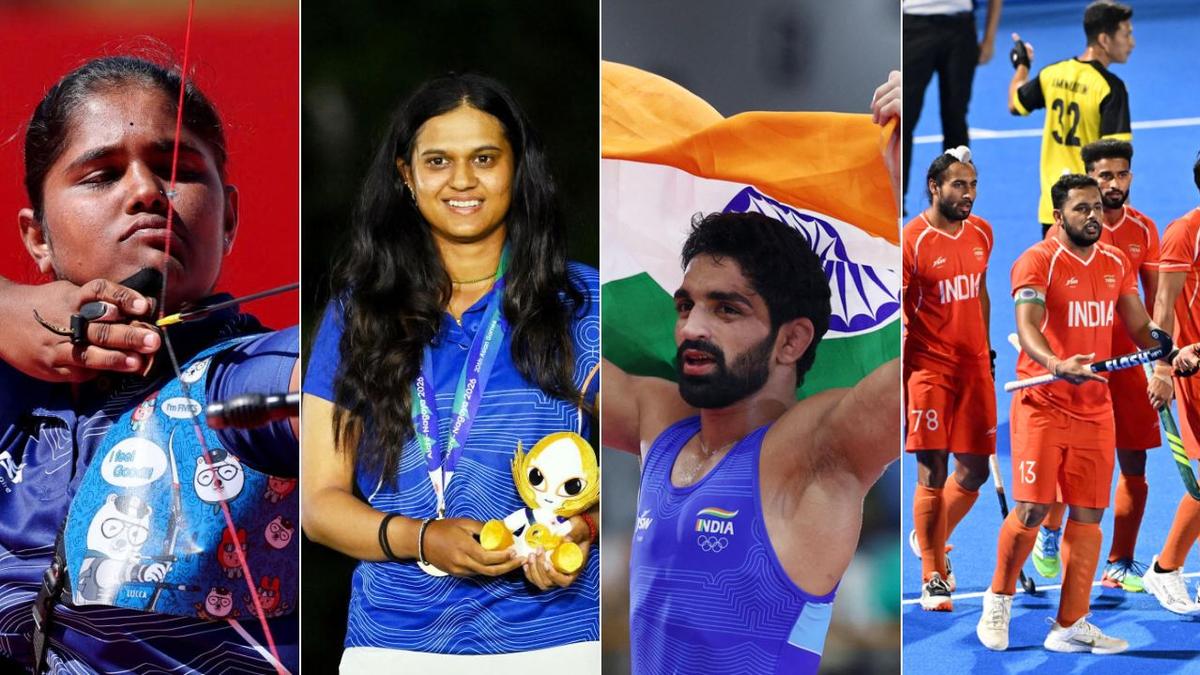
India Achieves Fourth Place at Asian Games 2026 Through Late Success