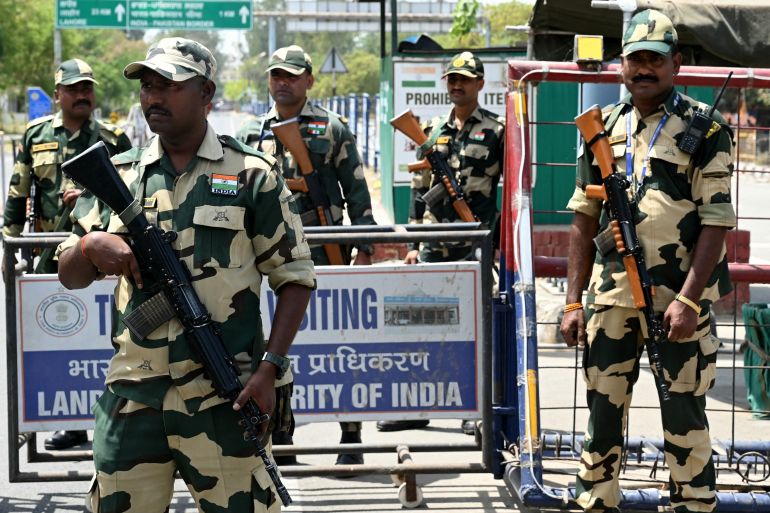
Shah Rukh Khan Controversy Highlights Double Standards on Bangladeshis


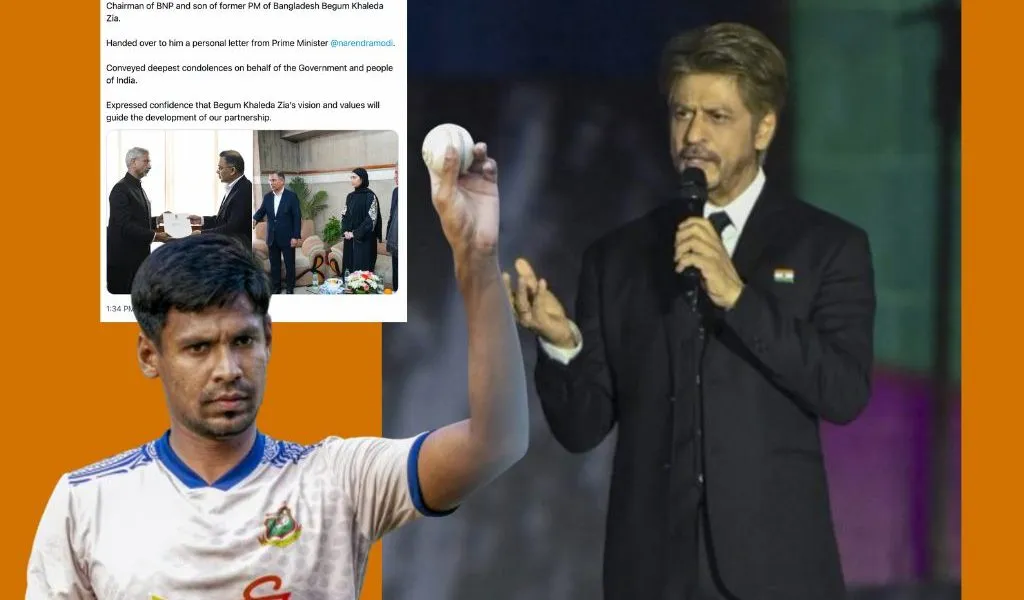
The recent backlash against Indian film star Shah Rukh Khan for bidding on a Bangladeshi player in the Indian Premier League (IPL) has ignited a debate about national identity and political hypocrisy in India. Critics argue that this incident reflects deeper issues within Indian society and politics concerning the treatment of Bangladeshis and Muslims.
Historically, the IPL has been seen as a unifying platform, bringing together players from diverse backgrounds, irrespective of nationality, race, or religion. However, the situation has changed following Khan's actions. The actor, known for his commercial ventures in cricket, faced immediate condemnation from certain right-wing factions, who labelled him a 'traitor' for his association with a Bangladeshi athlete. This reaction comes against the backdrop of upcoming elections in West Bengal, where the ruling Bharatiya Janata Party (BJP) is keen to exploit anti-Bangladeshi sentiment as part of its campaign.
The complexity of this situation is underscored by the Indian government's diplomatic engagements with Bangladesh. External Affairs Minister S. Jaishankar recently visited Dhaka to express condolences following the death of a former Bangladeshi Prime Minister, whose tenure was marked by contentious relations with India. Critics question the inconsistency of the Indian government's stance on Bangladeshis, especially given that India exports significant goods to Bangladesh, valued at approximately 80,000 crores Indian Rupees annually.
Furthermore, the Adani Group, led by one of India's wealthiest businessmen, is involved in power supply agreements with Bangladesh, raising questions about the perceived betrayal of national interests.
The double standards are evident when contrasting Khan's treatment with that of Prime Minister Narendra Modi, who has maintained relations with Sheikh Hasina, the current Bangladeshi leader. Despite historical tensions, Modi's government continues to engage diplomatically with Bangladesh, even as some factions within India vilify its citizens.
This situation is further complicated by the exclusion of Pakistani players from the IPL, leading to inquiries about the rationale behind different treatments of athletes from neighbouring countries. Critics wonder whether this reflects a broader trend of selectively applying nationalist sentiments based on political expediency.
The discourse around Shah Rukh Khan's actions also raises broader questions about the nature of nationalism and identity in contemporary India. Some commentators suggest that the criticism he faces parallels the treatment of Muslims and other minorities within the country, where public sentiment can swiftly turn against individuals based on perceived loyalties.
The current atmosphere has led to a chilling effect on free expression, with some fearing that dissenting voices may be silenced. The parallels drawn between historical instances of mob justice and the current political climate suggest a worrying trend where individuals are judged not for their actions but for their perceived affiliations or beliefs.
In conclusion, the controversy surrounding Shah Rukh Khan serves as a microcosm of the larger issues facing Indian society today. As nationalism becomes increasingly intertwined with politics, the implications for social cohesion and community relations remain profound. The situation calls for reflection on the values that underpin Indian identity and the treatment of its diverse population, particularly as the country navigates its complex relationship with neighbouring Bangladesh.
Kerala Initiates Probe into 2006 Suicide Case Involving CEC
Extradition of Sheikh Hasina Feasible, Says Indian High Commissioner

Punjabi Makeup Artist Mad Sandhu Shot Dead in Amritsar
India Achieves Fourth Place at Asian Games 2026 Through Late Success