Severe Flooding in Nepal Causes Widespread Destruction


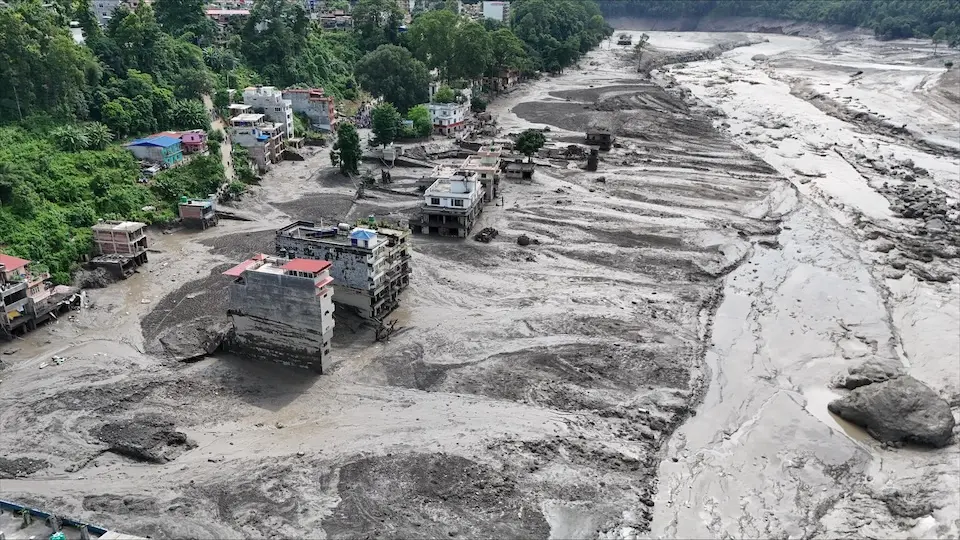
Severe flooding in Nepal has claimed more than 600 lives and submerged numerous villages, devastating the mountainous regions of the country. The catastrophic events have raised concerns over disaster preparedness and the need for immediate intervention in affected areas.
The flooding is believed to have been exacerbated by climate change-related phenomena, which include rapidly melting glaciers and subsequent ice avalanches. This natural disaster has reverberated beyond Nepal, affecting parts of India as well. Many regions are now dealing with emergency responses and recovery efforts.
Reports from the International Centre for Integrated Mountain Development (ICIMOD) indicated severe risks of glacial melting in the Himalayan region as far back as five months ago. These studies highlighted potential flooding scenarios that could arise if glacial lakes breached, a warning that local authorities seemingly overlooked.
In light of the disaster, experts and environmentalists are stressing the necessity for robust disaster management frameworks and early warning systems in vulnerable countries. Given the scale of the tragedy, questions are now being raised about the preparedness of both Nepalese and Indian disaster response protocols.
Officials are reportedly mobilising resources to assist those affected, with health services and shelters being prioritised for the displaced population. The government is also evaluating the long-term impacts of the floods on local infrastructure and ecosystems.
As recovery efforts continue, the focus will remain not only on immediate relief but also on strategies to mitigate future disasters linked to climate changes in the region.

Kerala Initiates Probe into 2006 Suicide Case Involving CEC

Extradition of Sheikh Hasina Feasible, Says Indian High Commissioner

Punjabi Makeup Artist Mad Sandhu Shot Dead in Amritsar

India Achieves Fourth Place at Asian Games 2026 Through Late Success