Serbian Student Movement Ousts Vučić in Historic Election


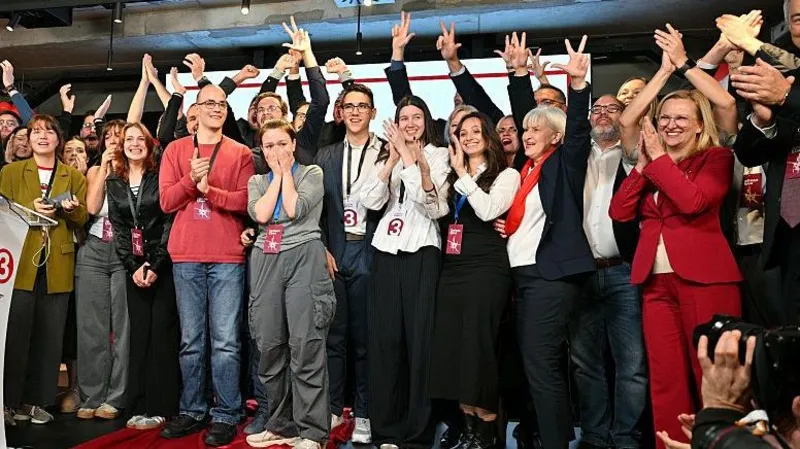
Serbia awakens to a transformed political landscape following the surprise defeat of President Aleksandar Vučić by a grassroots opposition movement primarily led by students. The elections were marked by significant public engagement, resulting in the opposition Student List securing 52.6% of the votes, significantly ahead of Vučić’s coalition, which received 39.2%. Preliminary projections suggest that the Student List will occupy 140 seats in the new parliament, surpassing the 126 needed for a majority, while Vučić’s bloc is anticipated to hold 103 seats. No other parties attained the necessary 3% threshold to enter parliament, leading to a diminished political presence for other factions.
In the aftermath of the elections, hopes have been raised for enhanced relations with the European Union and other international partners, a sentiment echoed by several EU leaders who congratulated the student movement on their achievements. "Serbia is free," proclaimed the students via social media, as the mood turned euphoric across the nation.
The path to this electoral outcome began with widespread frustration over government corruption and negligence, with a particularly tragic event acting as a catalyst. In November 2024, a canopy at Novi Sad railway station collapsed, resulting in the deaths of 16 individuals and igniting public outrage over the perceived incompetence linked to Vučić's administration. What began as student protests soon expanded, uniting diverse groups across Serbia against the ruling party.
International observers have provided a broadly positive evaluation of the electoral process, although concerns regarding structural issues such as state capture and media manipulation remain. Observers commented on the need for the new government to prioritise safeguarding electoral integrity.
As the Student List gears up to form a government, the specifics of leadership remain somewhat ambiguous. Former central bank governor Dejan Šoškić is seen as a potential candidate for the role of prime minister. His background may lend credibility to the new administration, as discussions continue regarding the leadership structure amidst the consultative nature of the student movement.
Amid this political shift, the focus now turns to the formation of the new government and the integration of its members into political roles, a process expected to be complex given the students' previous lack of experience in formal politics. The necessity for rapid decision-making is underscored by the constitutional timelines dictating when the new government must be established.
Looking ahead, the Serbian public awaits the final official results, alongside potential updates on related political developments in the region, including presidential elections in Bulgaria and ongoing protests in France. The electoral change in Serbia signifies a remarkable turning point, as citizens express renewed hope for a democratic future free from the shadows of authoritarian governance.
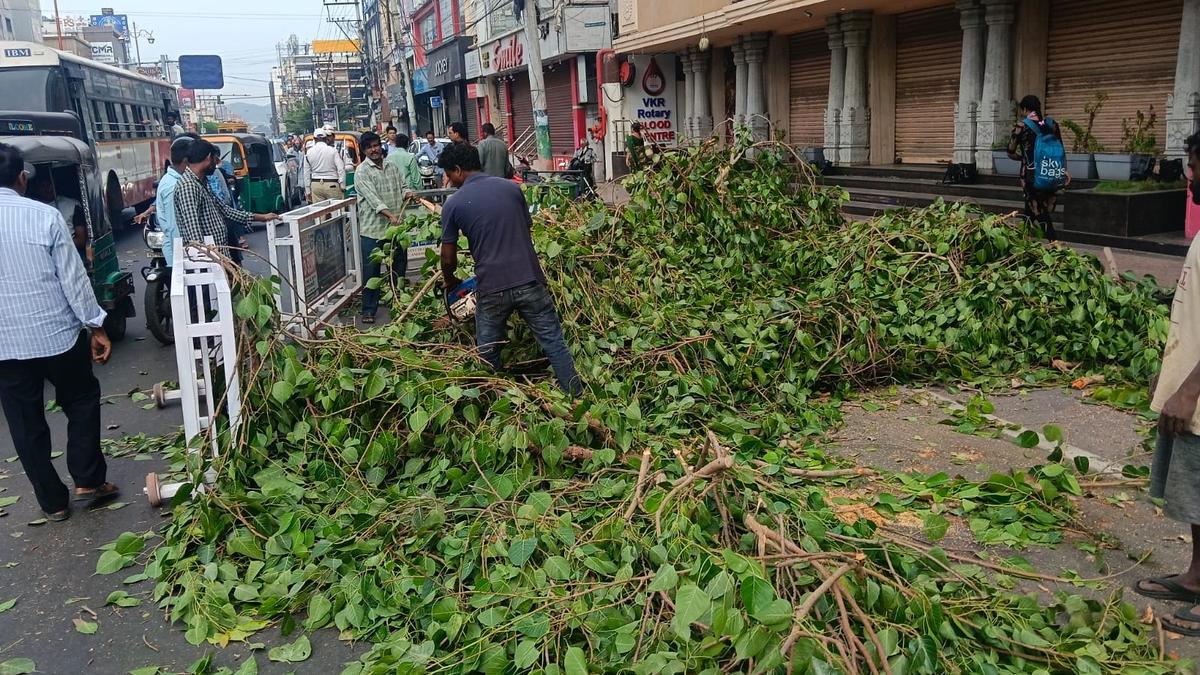
Cyclone Arnab Approaches Andhra Pradesh, Heavy Rainfall Expected
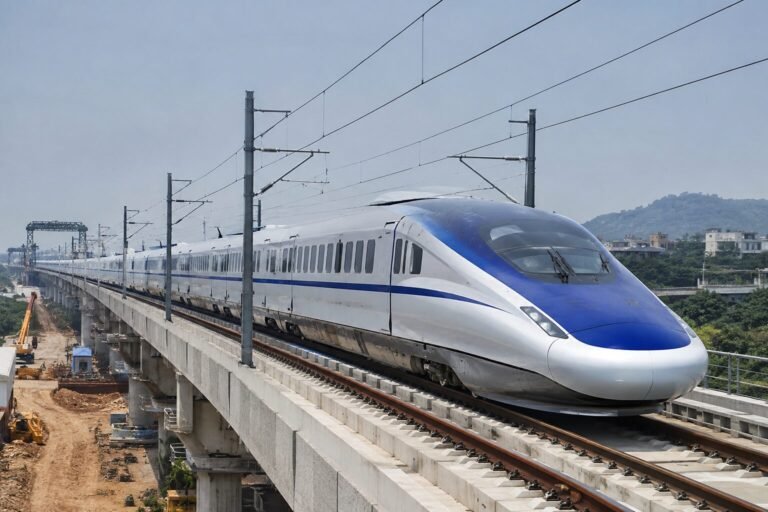
Mumbai-Ahmedabad Bullet Train Project Targets 2027 Launch

Interest in Electric Two-Wheelers Grows Among Indian Buyers
Box Office Decline for 'Udta Teer' on Fourth Day