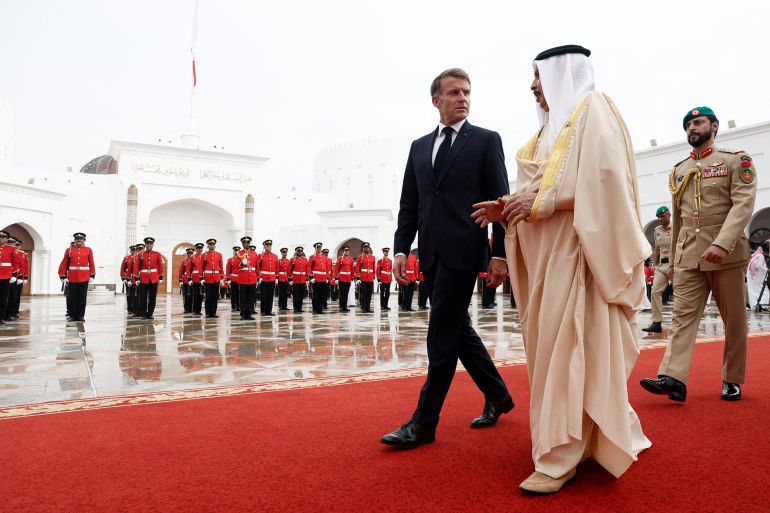
Serbia's Snap Elections: A Test for Aleksandar Vučić's Leadership


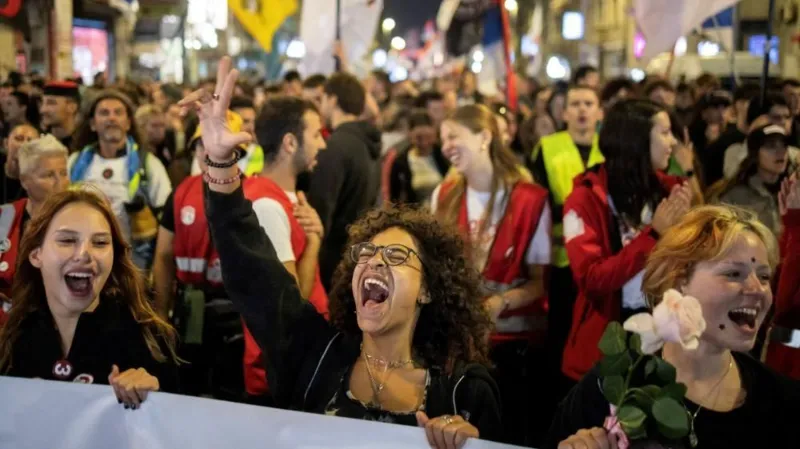
Rallies are intensifying in Serbia as the country approaches a decisive snap election on Sunday, seen as a pivotal moment for its political future. Following two years of sustained student protests, the elections could mark a significant shift in power dynamics, posing a direct challenge to the long-standing leadership of Aleksandar Vučić. The primary opposition to Vučić, who has been in power since 2012, stems from a grassroots student movement known as the 'Student List-Students Win'. While the movement lacks formal leadership, it has successfully garnered widespread support among various sectors of society, including anti-government voters. Lead candidate Ilija Srdanović, a cardiologist, expressed optimism during a march in Belgrade, stating, "The energy is unstoppable." The movement gained momentum following a tragic incident on 1 November 2024, when a canopy collapse at the Novi Sad train station resulted in 16 fatalities, a catastrophe that many attribute to government negligence and corruption linked to Vučić’s administration. Initially, weekly protests focused on demanding justice; however, the demonstrations gradually evolved into a national movement. Participants have come from diverse backgrounds, uniting farmers, actors, and even judges. Following this surge of dissent, Vučić's Serbian Progressive Party (SNS) faced significant challenges, leading to the resignation of the Prime Minister within weeks of the tragedy. The movement has been marked by major protests, with one of the largest gatherings occurring in Belgrade in March 2025. Unlike previous opposition efforts, the student movement has opted to distance itself from mainstream political parties. Vučić, currently unable to extend his presidency for a third term, is reorienting his strategy towards reclaiming the role of Prime Minister, a position he previously held until 2017. In the face of rising opposition, he has made unverified claims that his challengers are not merely students and academics, but rather powerful entities aiming to disrupt Serbia. He has also promised to address what he describes as the unwarranted politicisation of educational institutions. Vučić maintains a complex relationship with the West, supporting Serbia's EU aspirations while refusing to impose sanctions against Russia amid the Ukraine conflict. Controversially, several ministers attended the funeral of Ratko Mladić, a convicted war criminal, drawing condemnation from European officials. Analysts from organisations such as the Henry Jackson Society suggest that the students have succeeded in mobilising public support in ways traditional political parties have failed to. Helena Ivanov noted, "Defeating Vučić won't be easy, but this time around he faces a significant challenge." Serbia’s parliament consists of 250 seats, with elections conducted under a proportional representation system. Voting will take place from 07:00 to 20:00 local time, involving approximately 6.45 million registered voters. Of the 18 electoral lists, only seven are presenting full slates of candidates. Numerous opposition parties have opted to endorse the Student List. Despite the name, the slate includes candidates from various professions beyond academia, such as actors, farmers, and even former sports stars. The student movement operates under an eleven-point programme, outlining their objectives for political change. The SNS denies accusations of corruption and media manipulation. Meanwhile, independent monitors, including the European observers, are scrutinising the election process, which has been described by the Parliamentary Assembly of the Council of Europe as being set against a backdrop of a 'tense and divisive electoral climate'. The electoral commission asserts that the elections will be free and conducted via secret ballot. Nevertheless, the independent organisation CRTA has cited incidents of intimidation and violence against opposition activists, raising concerns about unequal conditions in the lead-up to the vote. They have highlighted that in this election cycle, public media coverage has disproportionately favoured government representatives. In terms of media freedom, roughly 160 acts of violence against journalists have been reported in Serbia in the past year, according to the European Centre for Press and Media Freedom. As Serbia stands on the brink of this crucial vote, the implications for the future of governance could be profound, with citizens eager to redefine their political landscape.
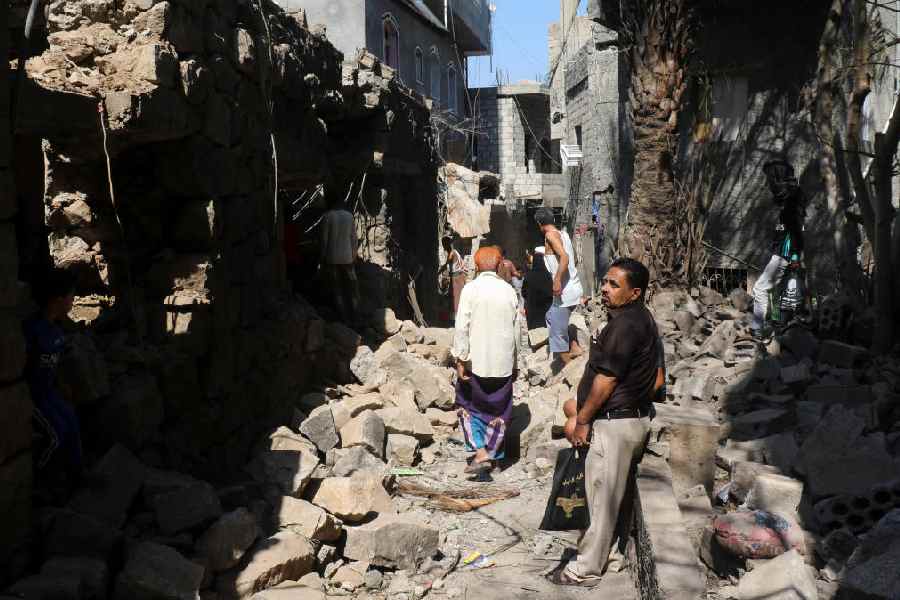
Indian National Dies in Dammam Airport Shooting Incident
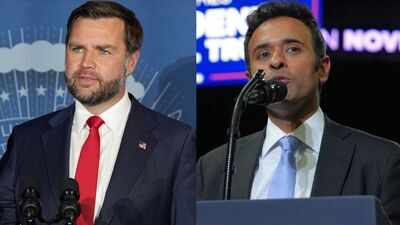
J.D. Vance Urges Republicans to Support Vivek Ramaswamy Amid Ad Dispute

Jio Platforms' IPO: Potential Impacts on Reliance and Bharti Airtel
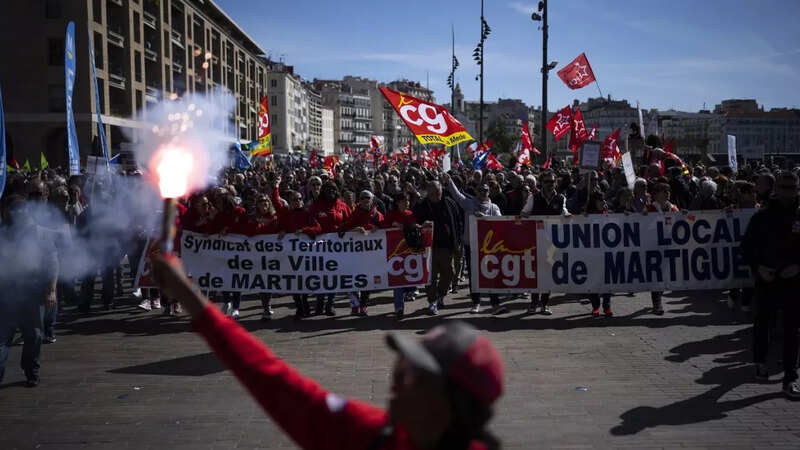
Indian Embassy Advises Nationals in France Amid Ongoing Protests