SEBI Chief Advises Against Unfounded Allegations Following HDFC Bank Exit



Tuhin Kanta Pandey, the Chairman of the Securities and Exchange Board of India (SEBI), has called for caution regarding unsubstantiated claims in the wake of HDFC Bank's chairman, Atanu Chakraborty's, sudden resignation. Speaking at a board meeting, Pandey emphasised that allegations must be backed by evidence, stating, "You just can’t say anything and go; you have to substantiate."
Chakraborty resigned amidst discussions about ethical practices within the bank, claiming differences over values and referencing unacceptable practices. This statement created a stir in the market, with many stakeholders reacting sharply to the implications of his departure. The abruptness of it has sparked concerns regarding the governance and operational integrity of the bank.
In light of these events, SEBI's recent board meeting focused on key reforms aimed at improving governance standards across financial institutions. Notably, the board approved recommendations from a High Level Committee on Conflict of Interest, which was presented four months prior. Among these recommendations is the inclusion of chairpersons and full-time board members under the definition of 'insider', which imposes stricter regulations around insider trading.
Moreover, the board has proposed the establishment of digital systems for managing conflicts of interest, along with the creation of a new ethics and compliance office to oversee public issues. These changes aim to bolster fiduciary responsibilities and ethical oversight within corporate governance structures.
Another significant reform is the simplification of guidelines for identifying 'fit and proper' individuals for intermediaries in the capital market. Disqualification for intermediaries will now be based primarily on significant economic offences or securities law violations, expanding clarity in compliance expectations.
SEBI is also addressing operational challenges faced by Foreign Portfolio Investors (FPIs). New measures will allow FPIs to settle transactions on a net basis, meaning they can offset the cost of purchased stocks against the proceeds from stocks they sell. This is a shift from previous regulations that required full payment upfront for each transaction, which had implications for liquidity during volatile market conditions.
With a notable outflow of ₹88,000 crore from FPIs recorded in March 2026 alone, Pandey assured that new registrations for FPIs continue, reflecting SEBI's efforts to enhance operational ease and reduce costs associated with capital market participation.
In an effort to encourage retail investment in social impact funds, the minimum investment threshold has been reduced from ₹2 lakh to ₹1,000 in Alternative Investment Funds. This move is designed to promote participation among a wider range of investors and enhance the accessibility of investment opportunities.
Additionally, SEBI has introduced measures to streamline the winding up and surrendering of registrations, addressing practical challenges faced by financial institutions. These initiatives reflect a proactive approach in adapting regulatory frameworks to changes within the financial landscape, underscoring SEBI's commitment to safeguarding investor interests and advancing market integrity.

Concerns Rise Over Delhi Voter Registration Discrepancies
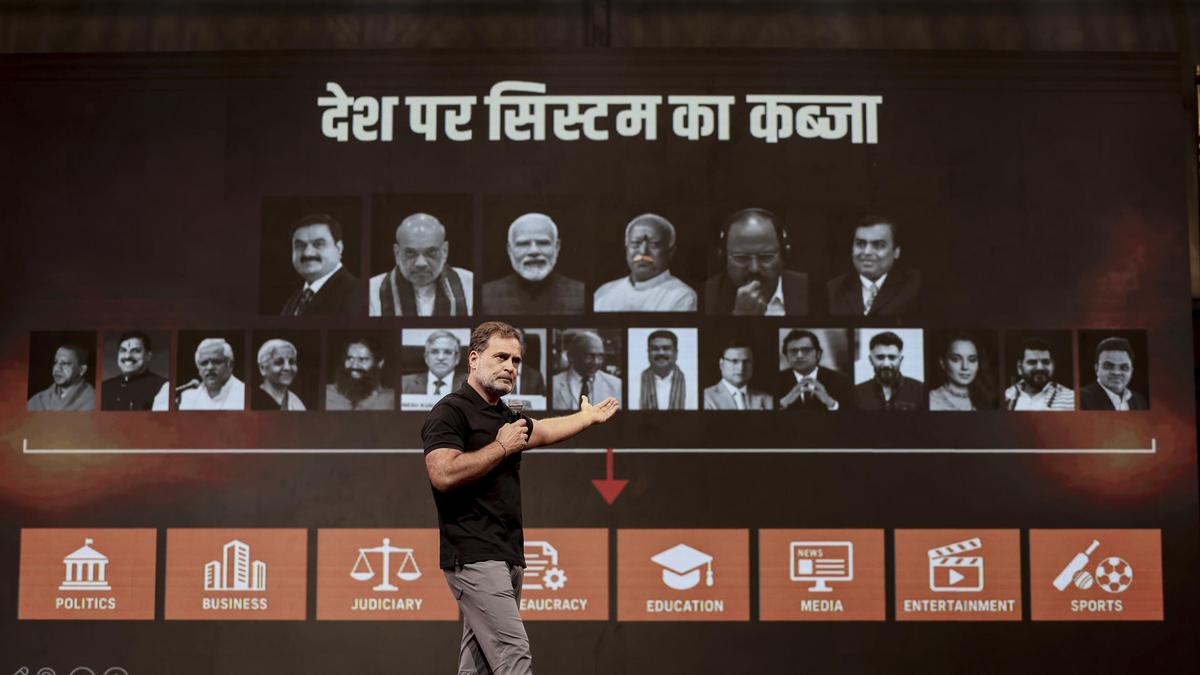
Controversy Erupts Over Rahul Gandhi's PM Modi Mimicry at Event

Father of IIT Bombay Student Calls for Action Against Discrimination

India and Japan Conduct Joint Air Exercise 'Veer Guardian-2026'