SBI Economist Challenges Claims on GST Growth Metrics


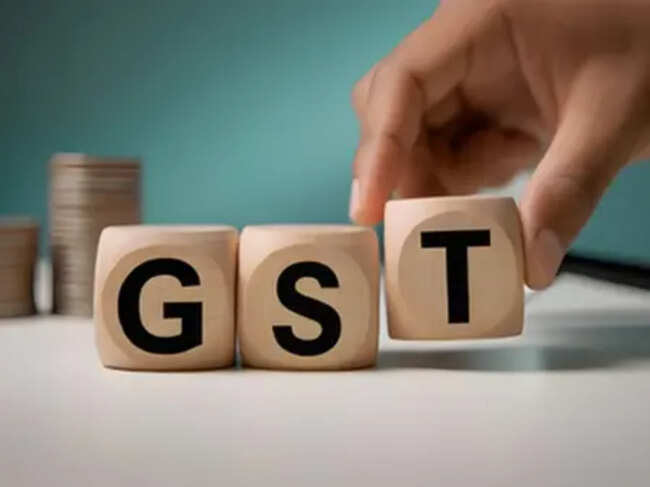
Soumya Kanti Ghosh, the Chief Economic Advisor at the State Bank of India (SBI), has responded critically to statements made by former Finance Secretary Subhash Chandra Garg regarding India's Goods and Services Tax (GST) collections. Ghosh contends that comparisons using the GST Compensation Cess do not yield an accurate assessment under the restructured GST framework.
In a column published in a national daily, Garg questioned the government's interpretation of recent GST figures, particularly the gross collections reported for August 2026. The figures showed a total of ₹1,99,853 crore, indicating a growth of 14.8% from ₹1,74,116 crore from the previous year. Garg suggested that when the Compensation Cess collected in August 2025, amounting to ₹11,782 crore, is factored into these calculations, the growth rate for August 2026 drops to 7.51%.
Furthermore, Garg noted the significant differences in growth figures when the cess is included. While official reports indicated an 11% growth in gross GST collections from April to August 2026, Garg’s analysis suggested that this figures reduced to only 4.08% when the cess from the previous year is included, with a net growth rate of just 1.3%.
Ghosh, however, argued that such assessments fail to consider crucial changes in the GST system. The Compensation Cess was a temporary measure and ceased to apply as of April 2026, following a comprehensive restructuring of GST rates. He stated, "Why include GST series from old numbers that include compensation?" emphasising that combining old and new series skews the actual revenue trend.
He also raised concerns regarding the misleading interpretations surrounding the statistics, pointing to the high base effects especially in the month of May. Ghosh explained that there was a significant one-off payment in May 2025, affecting growth calculations in subsequent months, and thus should be viewed in isolation when analysing current GST trends.
For the fiscal year 2027, Ghosh reported that GST collections averaged an 11.2% growth in the first five months, exceeding the nominal GDP growth of 10.3% for the same period. When considering the earlier series, including the cess, average growth stood at around 6% through April-August 2026, barring May.
In addition to these statistics, Ghosh shifted the conversation towards state finances, noting that the overall revenue implications of the tax changes have not been accurately captured merely through GST collections. He estimated that states would gain approximately ₹1.43 lakh crore in FY27 compared to FY26, factoring in changes from the GST restructuring and increased share from Basic Excise Duty. Ghosh argued that a focus solely on the cess would provide a distorted impression of India's GST performance at present.
This ongoing debate highlights the complexities involved in analysing tax revenues, particularly as India continues to evolve its GST framework and address the impacts of economic restructuring on fiscal performance.
Kerala Initiates Probe into 2006 Suicide Case Involving CEC

Extradition of Sheikh Hasina Feasible, Says Indian High Commissioner

Punjabi Makeup Artist Mad Sandhu Shot Dead in Amritsar

India Achieves Fourth Place at Asian Games 2026 Through Late Success