Saudi Arabia and UAE Tensions Escalate, Impacting Yemen's Governance


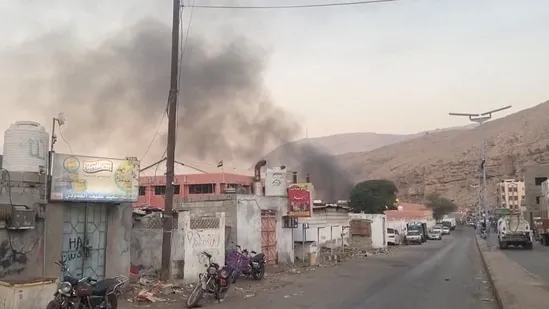
Tensions between Saudi Arabia and the United Arab Emirates (UAE) have escalated significantly following Saudi airstrikes on the port city of Mukalla, Yemen. This recent incident has highlighted a fracture within the Gulf coalition that has been involved in the Yemeni conflict since 2015.
The Saudi-led coalition's spokesperson, Major-General Turki al-Maliki, reported that two vessels arrived at Mukalla carrying over 80 vehicles and containers of arms, intended for the Southern Transitional Council (STC). These shipments were made without prior notification to Saudi authorities or the internationally recognised Yemeni government, raising serious concerns about the implications for regional stability.
As the situation unfolded, the Yemeni government has found itself increasingly sidelined, struggling to maintain authority amid a military escalation between its two principal allies, Saudi Arabia and the UAE, particularly in the Hadramout governorate where Mukalla is located.
The Presidential Leadership Council (PLC), which oversees Yemen's recognised government, is currently divided into factions that align with either Saudi or Emirati interests. This rift, which has been growing for years, has now come to a head, with each faction supporting different external powers in the ongoing conflict.
The UAE’s backing of the STC, which was established in 2017 to pursue independence for southern Yemen, has been a source of contention. The STC has expanded its control over southern governorates, including Hadramout and al-Mahra, which Saudi Arabia views as a direct threat to its national security due to the region's strategic significance and its resources.
In a statement, the UAE denied allegations that it was supplying weapons to the STC, asserting that the shipment contained vehicles for Emirati forces engaged in counterterrorism missions in Yemen. Furthermore, the UAE has indicated plans to withdraw its remaining troops from Saudi Arabia following the airstrikes in Mukalla, a move attributed to a need for clarity in counterterrorism operations.
The situation has drawn attention to the complexities of the Yemeni civil war, which began when the Iran-aligned Houthi movement seized control of the capital, Sanaa, in 2015. The conflict has since evolved, with various factions vying for power and control, complicating efforts to restore stability.
In the wake of the recent airstrikes, the PLC has become a battleground for competing loyalties, with statements from its leaders reflecting the wider geopolitical tensions. Rashad al-Alimi, the PLC president, has called for the UAE to withdraw, while factions aligned with the STC have countered with their own demands.
This discord among Yemeni political factions is likely to divert focus from the ongoing conflict with the Houthis, who continue to maintain control over significant portions of northern Yemen. The potential for further fragmentation within the government raises concerns about the future of the internationally recognised authority in Yemen.
The developments in Mukalla serve not only to underline the instability within Yemen but also the fragility of the Saudi-led coalition, which has been struggling to achieve its stated goals against the Houthi movement amidst diverging interests among its members. With the coalition's unity in question, the situation in Yemen appears to be heading towards further turmoil, potentially aiding the Houthis in expanding their influence as the country faces the threat of deeper internal conflict.
These recent events have significant implications for Yemen's political landscape, as the country continues to grapple with the consequences of a decade-long civil war that has resulted in a dire humanitarian crisis. The outcome of this internal strife could shape the future governance of Yemen and the prospects for peace in the region.
Kerala Initiates Probe into 2006 Suicide Case Involving CEC
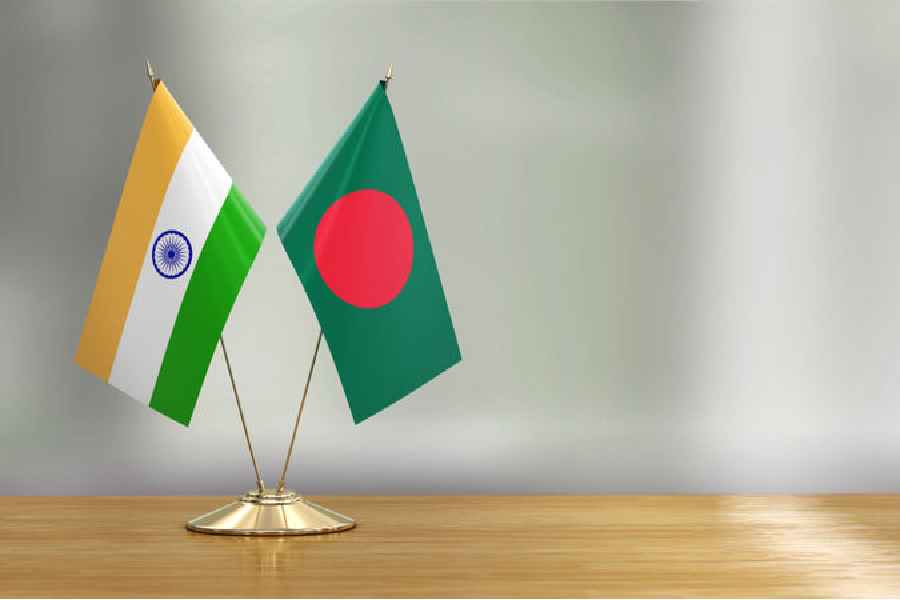
Extradition of Sheikh Hasina Feasible, Says Indian High Commissioner

Punjabi Makeup Artist Mad Sandhu Shot Dead in Amritsar
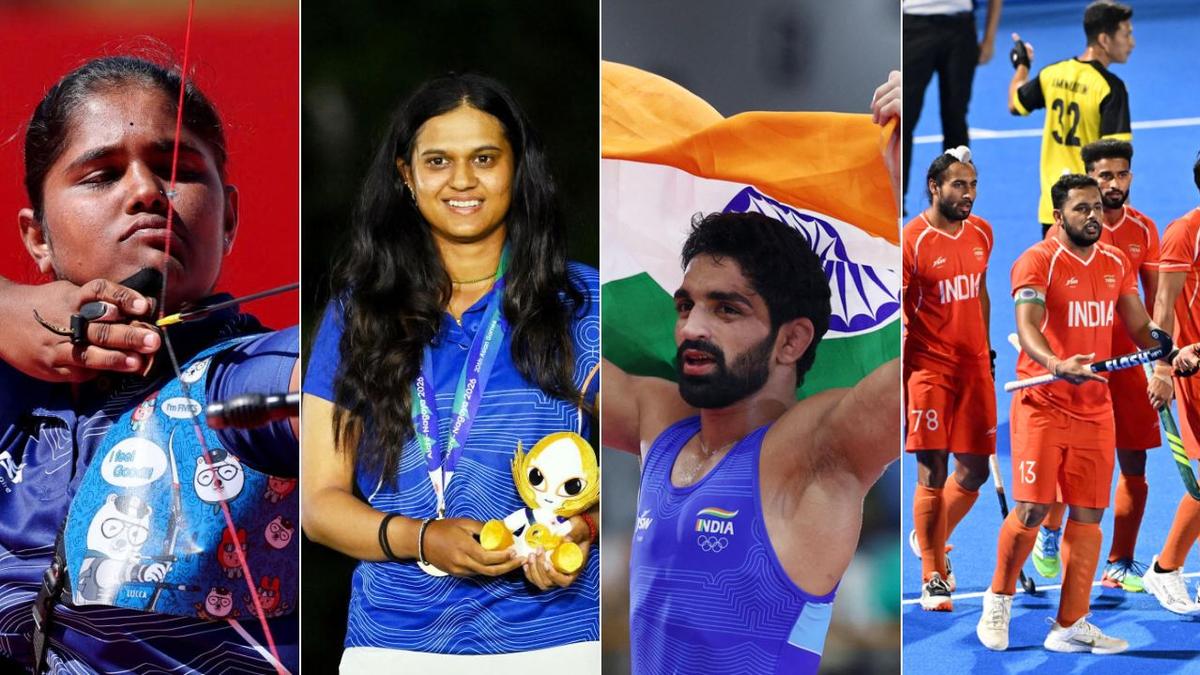
India Achieves Fourth Place at Asian Games 2026 Through Late Success