Saudi Arabia, Turkey and Pakistan Form Strategic Defence Pact


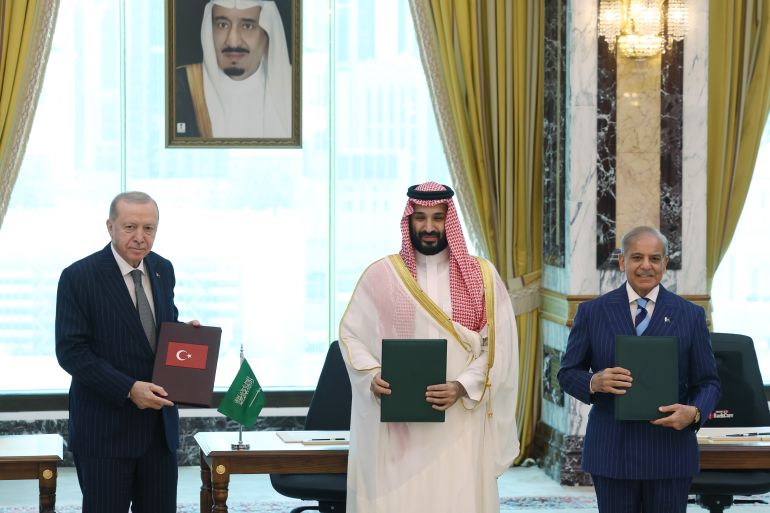
Saudi Arabia, Turkey, and Pakistan have formalised a joint defence agreement, establishing mutual security guarantees among the three countries. The agreement was announced during a meeting between Saudi Crown Prince Mohammed bin Salman, Turkish President Recep Tayyip Erdogan, and Pakistani Prime Minister Shehbaz Sharif in Mecca. This pact arises amid escalating military tensions in the region, particularly following conflicts involving Iran and its allies. The joint statement released by the three nations underscores that any armed assault targeting one of them will be deemed an attack on all, signifying a strong commitment to collective defence. The pact aims to enhance deterrence against potential aggression, as mentioned in a shared communication. Additionally, the agreement facilitates comprehensive cooperation in defence matters among the nations. Following recent regional unrest, including attacks attributed to Tehran and its affiliates, the trilateral initiative is perceived as a strategic response. Iran's reaction has been critical; a senior Iranian lawmaker has dismissed the agreement as ineffective for enhancing Saudi security. Ebrahim Rezaei stated that historical dependence on external powers has not brought security, implying that the new pact will similarly fail. Saudi Arabia and Pakistan had previously established a defence partnership last year, making the Mecca agreement a significant expansion of these military ties. Each country brings unique capabilities to this collaboration. For Saudi Arabia, the agreement offers increased security in a volatile regional landscape where its oil exports and developmental ambitions face threats. Pakistan sees benefits in bolstering its security framework amid ongoing tensions with India, particularly following near-conflict in May 2025. The alliance with Saudi Arabia and Turkey lends economic and military clout to Islamabad, further establishing its diplomatic role in regional affairs. Conversely, Turkey stands to gain from enhanced defence industry cooperation. Analysts suggest that joint production and technological partnerships between the nations could bolster Turkey's military capabilities. While the principles of collective defence seem straightforward, the practical implications remain complex. Questions arise concerning the specific conditions under which each nation would engage militarily, especially in scenarios involving conflicts unrelated to their immediate interests. However, this agreement is anticipated to serve as a deterrent against aggression by reinforcing the importance of unity among the three powers, thereby raising the stakes for any potential armed conflict. The decision to formalise this agreement signals a shift in regional security dynamics and highlights the growing cooperation among these influential Muslim-majority nations.
Impact of Trump's Tariff Law on India's Oil Imports and Trade
United Russia Party Secures Supermajority Despite Ukraine Conflict
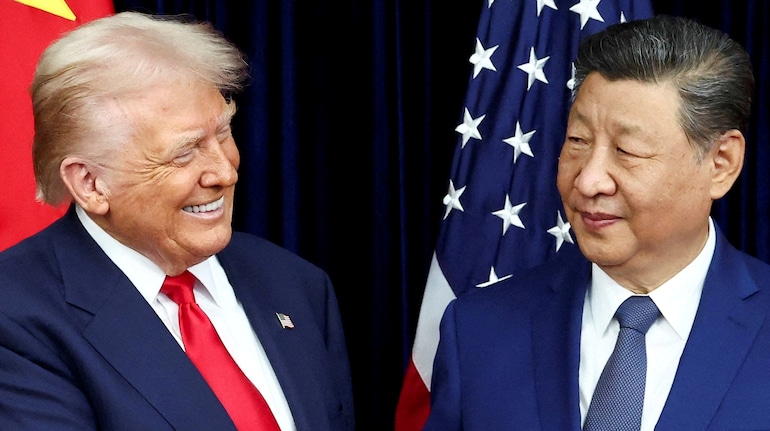
Xi Jinping's US Visit Planned Amid Economic Tensions with Trump
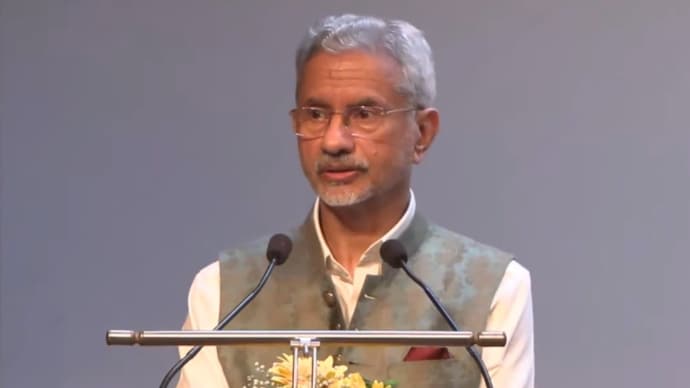
India's External Affairs Minister to Address UNGA Amid US Tariff Changes