Saudi Arabia Plans Coalition to Secure Red Sea Shipping Routes


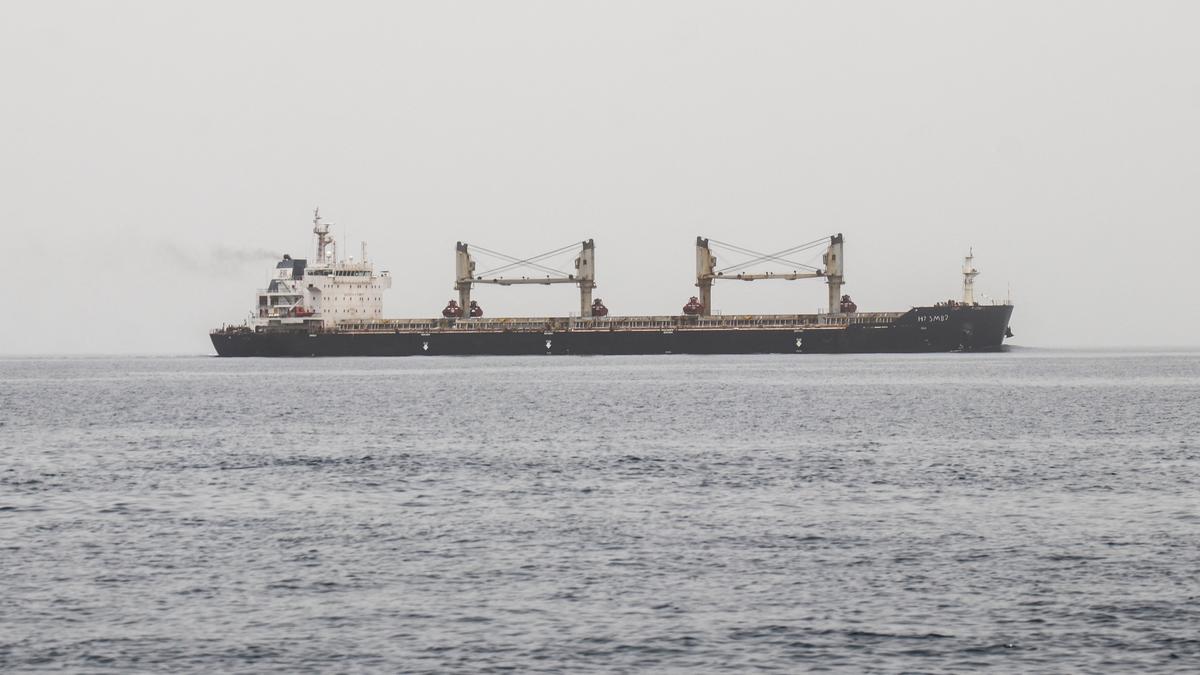
Saudi Arabia has announced its intention to form an international coalition aimed at safeguarding shipping routes in the Red Sea from attacks initiated by Iran-aligned Houthi forces based in Yemen. According to a report from Reuters, the alliance, which has seen invitations extended to numerous countries, is still in the process of finalising its membership.
This development follows the Houthis imposing a maritime blockade on Saudi Arabia on July 20, disrupting oil deliveries that had been redirected to the Red Sea due to the closure of the Strait of Hormuz. The group has also indicated plans to levy tolls on vessels traversing the Bab al-Mandeb Strait, a vital shipping corridor off Yemen's coast.
The situation in the Red Sea has exacerbated existing tensions that have ripple effects on global energy markets, particularly impacting oil prices and supply chains. Given the ongoing disruptions to Gulf exports via the Strait of Hormuz, there is increasing urgency for Saudi Arabia to reinforce its maritime security.
Reports suggest that the new Saudi-led coalition is likely to establish its headquarters in Riyadh, with an official announcement anticipated shortly. Although the complete roster of countries invited remains undisclosed, sources indicate invitations have been sent to the United States, Pakistan, Egypt, Turkiye, Djibouti, Somalia, Sudan, as well as several European nations including Germany, France, and Italy.
At least three countries bordering the Red Sea—Egypt, Djibouti, and Sudan—have reportedly expressed willingness to join the coalition, as per information from US officials. The deadline for approximately 50 nations to confirm their participation has been set by Saudi Arabia, although the United States, a crucial ally, has yet to finalise its position but is expected to join.
In a related development, Saudi Defence Minister Prince Khalid bin Salman convened an urgent meeting with US President Donald Trump and Vice President JD Vance. During this meeting, according to Axios, Prince Salman signalled the kingdom's caution regarding further escalation in the ongoing US-Israel conflict with Iran, while asserting that Saudi Arabia is prepared to defend itself.
Tensions have escalated due to perceived Iranian aggression towards US military installations and infrastructure in the Gulf region. These developments follow coordinated attacks by US and Saudi forces on Iranian-supported militia in eastern Iraq, deemed a response to drone strikes on Saudi Arabia.
The Red Sea is a critical maritime corridor for international shipping, with approximately 30 percent of global maritime traffic passing through. Its strategic significance is heightened by the Bab al-Mandeb Strait, which acts as a crucial link between the Red Sea and the Gulf of Aden, facilitating a significant portion of global oil exports.
At its narrowest point, the Bab al-Mandeb Strait measures just 29 kilometres (18 miles) across, which restricts shipping traffic to two lanes for outgoing and incoming vessels. In 2024, about 4.1 billion barrels of oil and refined petroleum traversed this waterway, accounting for roughly five percent of the global oil supply.
Due to ongoing geopolitical tensions, Saudi Arabia has been compelled to reroute a significant portion of its oil exports through the Red Sea, particularly via the Yanbu port. However, control over this port is reportedly contested by Houthi forces.
The Houthis have been active in Yemen since taking control of the capital, Sanaa, in 2014. They are currently engaged in conflict with Saudi-backed factions in the southern port city of Aden. On July 20, the Houthis declared a naval blockade on Saudi Arabia as a form of retaliation against years of military action led by Riyadh, claiming that Saudi leaders have imposed a prolonged siege, affecting vital services and supplies in Yemen.
In response to escalating regional tensions, attacks targeting Saudi vessels have been reported. Houthi spokesman Yahya Saree recently stated that they targeted the Saudi oil tanker NCC Ghazal with missiles. Concerns have been raised that the Houthis may soon impose shipping fees, echoing similar tactics reportedly employed by Iran in the Strait of Hormuz. Yemen's Information Minister Moammar al-Eryani confirmed this plan, describing it as potentially transformative for the region's maritime security landscape.
The implications of these developments could represent a significant risk for international shipping routes, particularly if the proposed tolls are enacted, further complicating the already fraught geopolitical situation in the region.

US Launches New Wave of Strikes Against Iran Amid Rising Tensions

Insights on La Tomatina: An Indian Traveller's Experience

Indian Boxers Set New Record Ahead of CWG 2026 in Glasgow

Clash in Khyber Pakhtunkhwa: 11 Police and 15 Militants Killed