Russia Allegedly Developing Anti-Satellite Weapons Targeting Starlink


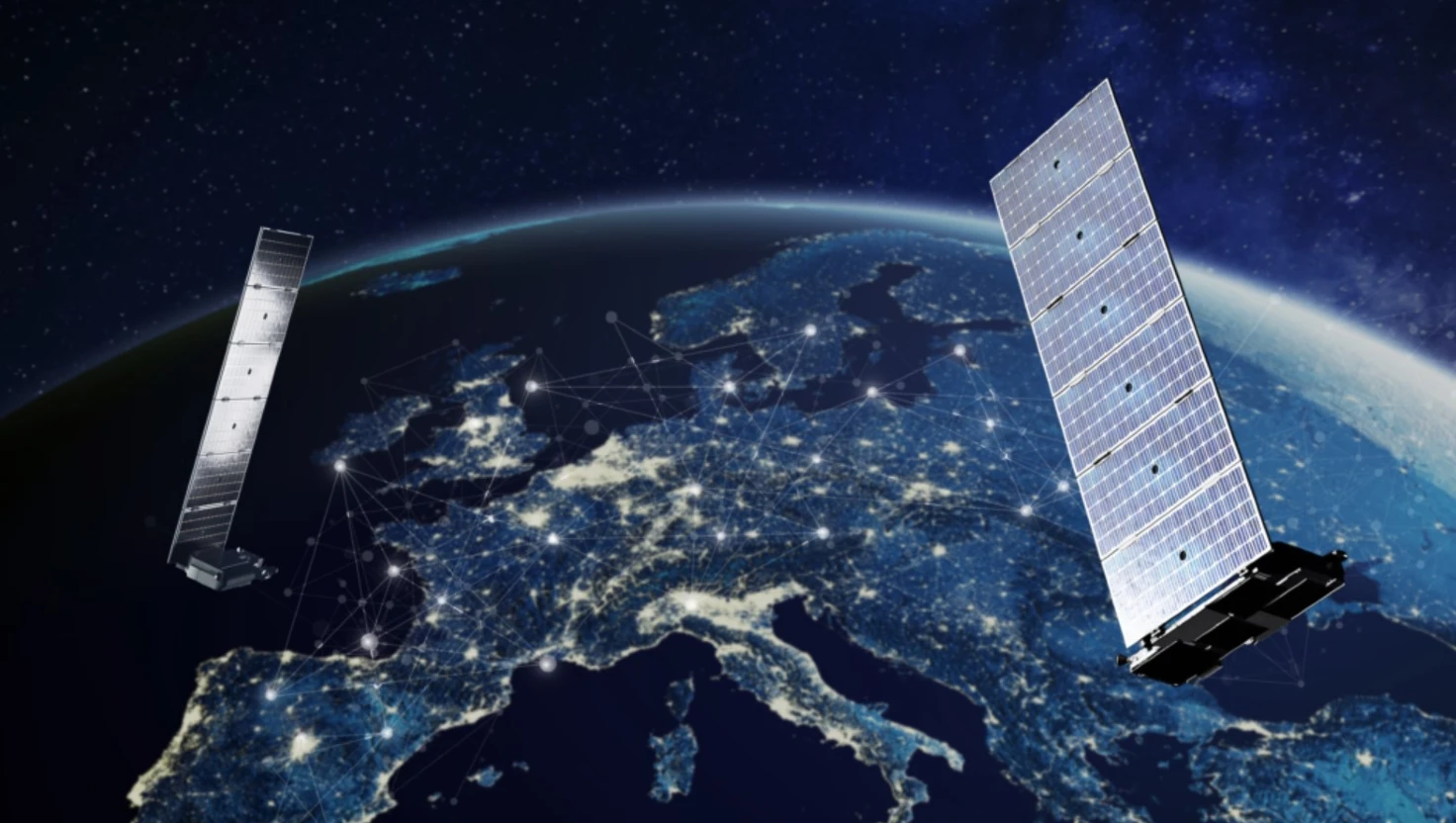
Intelligence reports indicate that Russia may be in the process of developing a novel anti-satellite weapon that targets Elon Musk’s Starlink satellite constellation. This information, gathered by NATO member nations, has been reported by the Associated Press. The proposed weapon is said to differ significantly from conventional anti-satellite systems, as it would deploy hundreds of thousands of tiny metal pellets into orbit rather than focusing on individual satellites. Such a method could potentially disable or damage multiple satellites simultaneously.
The weapon has been characterised as a 'zone-effect' device, implying that its impact would extend over a wide area of space, rather than pinpointing a specific satellite. Experts believe that this approach could complicate damage control efforts and may inadvertently affect nearby satellites. The significance of Starlink has grown considerably since Russia's full-scale invasion of Ukraine, with the satellite network providing critical communication capabilities for Ukrainian military operations and civilian needs during Russian attacks that disrupt normal communications.
Given its instrumental role in Ukraine, Starlink is perceived by the Russian government as a substantial threat. Russian officials have previously warned that commercial satellites assisting Ukraine's military could be treated as legitimate military targets. Paradoxically, Russia has publicly supported international efforts to prevent the militarisation of space, with President Vladimir Putin asserting that Moscow has no intention of deploying nuclear weapons in orbit.
Details of the intelligence findings were shared with the Associated Press on the condition that the sources involved would remain unnamed. The agency noted that it could not independently verify the claims. The United States Space Force did not provide a response regarding the report, while France's Space Command declined to comment on the findings but accused Russia of engaging in dangerous and aggressive actions in space in recent years. A spokesperson from the French command stated, 'We can inform you that Russia has, in recent years, been multiplying irresponsible, dangerous, and even hostile actions in space.'
According to an anonymous official who spoke with the Associated Press, the proposed metal pellets would be very small and challenging to detect with current tracking technologies. Even minor impacts from these pellets could severely damage solar panels on satellites, which are particularly vulnerable components, potentially causing them to fail.
The intelligence report does not specify when such a weapon might become operational or whether it has undergone testing, but it suggests that the technology is still in the developmental stage and may still be experimental.
The potential dangers of an anti-satellite weapon are significant. Such weapons are designed to damage, disable, or destroy satellites in orbit. In contrast, missions like NASA's Double Asteroid Redirection Test aim to develop planetary defence strategies against near-Earth objects. Countries such as Russia, India, China, and the United States have conducted tests of anti-satellite weapons in the past, typically using missiles or other systems aimed at singular satellites.
International space law generally discourages the weaponisation of outer space, advocating for its peaceful utilisation. While many nations, including Russia, have supported United Nations initiatives to prevent the placement of weapons in orbit, the 1967 Outer Space Treaty prohibits weapons of mass destruction and military bases on celestial bodies, yet lacks enforcement mechanisms against anti-satellite weapons.
The creation of a destroyed satellite can also lead to the generation of space debris, which, travelling at high velocities, poses a significant threat to other spacecraft. Even minute fragments can cause serious damage. Once generated, this debris can linger in orbit for extended periods, exacerbating risks for both military and civilian satellites, as well as systems that are crucial for communication, navigation, and weather monitoring.
Some experts in space security have expressed concerns regarding the practicality of deploying such a weapon. They argue that flooding orbit with debris could inadvertently damage Russia's own satellites alongside those of other nations, including China. Victoria Samson, a space security expert at the Secure World Foundation, stated, 'I don’t buy it. I would be surprised if Russia chose to deploy a system that could make parts of space unusable.'
Conversely, Brigadier General Christopher Horner, commander of Canada’s military space division, suggested that while the concept cannot be dismissed, it poses substantial risks. He referenced earlier allegations that Russia had explored nuclear capabilities in space, indicating that a less extreme but still damaging system could be plausible.
Experts also postulate that the mere threat of such a weapon could serve as a strategic tool, even in the absence of deployment. However, the potential repercussions would be significant. Samson remarked, 'They’ve invested a huge amount in being a space power. Doing this would hurt them, too.'
Kerala Initiates Probe into 2006 Suicide Case Involving CEC

Extradition of Sheikh Hasina Feasible, Says Indian High Commissioner

Punjabi Makeup Artist Mad Sandhu Shot Dead in Amritsar

India Achieves Fourth Place at Asian Games 2026 Through Late Success