Risks for Indian Seafarers Highlighted by Recent Deaths


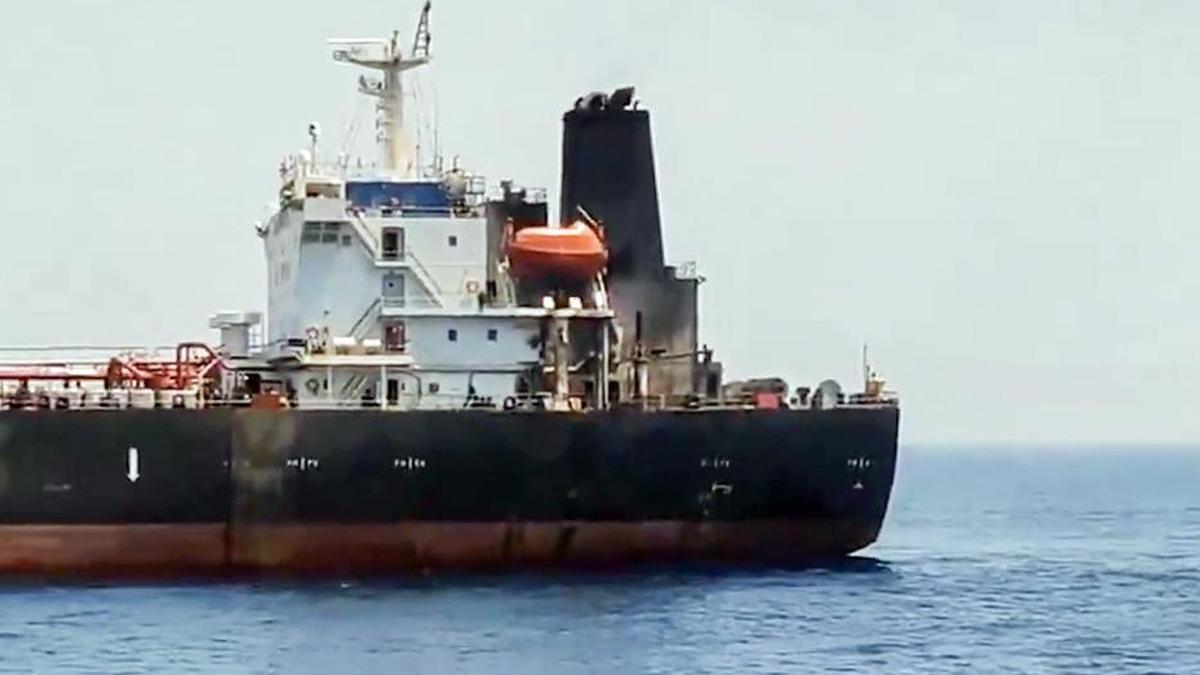
The tragic deaths of Indian seafarers Aditya Sharma, Shivanand Chaurashiya, and Patnala Suresh aboard the Settebello have brought urgent attention to the perils faced by those in the maritime industry. These incidents serve as a sobering reminder of the risks inherent in global shipping, especially in geopolitical hotspots.
Geopolitical tensions have escalated in recent years, making certain maritime corridors particularly perilous for civilian mariners. Merchant vessels navigating these dangerous waters often find themselves in the crosshairs of international conflict and sanctions. This has led to an ongoing debate surrounding 'sanctioned vessels,' which are ships designated under economic, trade, or security sanctions by various governments or international organisations.
A sanctioned vessel is not universally regarded as illegal — its status can vary significantly from one jurisdiction to another. For instance, a vessel sanctioned by the U.S. may still operate legally under Indian law as long as its registration remains intact and specific actions are not taken by its flag State. As a result, these vessels continue to ply international trade routes despite facing numerous challenges such as port access limitations and heightened regulatory scrutiny.
The pressing issue is not merely the legal status of individual vessels but rather the safety and wellbeing of seafarers operating in these high-risk areas. In light of recent maritime incidents, the maritime community is calling for a stronger and more proactive stance from India regarding the safety of its seafarers. Attacks on merchant shipping should be condemned unequivocally, irrespective of the nationality of those affected.
India promotes adherence to international maritime law and freedom of navigation while voicing concerns at various multilateral forums, including the United Nations and the International Maritime Organization. However, diplomatic engagement alone may not be sufficient. Experts suggest that India must collaborate closely with shipowners and flag States to enhance security measures for vessels operating in high-risk environments.
There are rising expectations for India to bolster its maritime-security posture in light of ongoing threats to shipping and civilian crews. This includes strengthening naval deployments and Coast Guard surveillance, improving rapid-response capabilities, and preparing for potential hostage-rescue operations. Operators and shipowners also require timely intelligence and consistent risk assessments to navigate these treacherous waters effectively.
The welfare of seafarers is another critical component often overshadowed by security considerations. Family members of seafarers frequently rely on fragmented or unreliable information during emergencies, indicating a need for reliable communication channels and substantial emotional and logistical support.
The maritime industry argues that seafarers who opt not to operate in declared war-risk areas should not face adverse career consequences. Existing contractual protections and war-risk compensation should be upheld, along with enhanced risk allowances as the maritime security landscape changes.
Debates have arisen concerning whether Indian seafarers should be restricted from serving on vessels in particularly dangerous areas, such as the Strait of Hormuz, a crucial maritime passage for global energy trade. While outright prohibition is not the preferred course of action, a more measured and well-informed approach is advocated, one that includes risk assessments and mandatory informed consent for crews operating in such high-risk locations.
Temporary advisories may become necessary if security threats increase significantly, yet the objective should always be to protect seafarers without unduly hindering their employment opportunities. Furthermore, it remains to be clarified whether regulatory powers lie with India's Directorate General of Maritime Affairs or another body, each with its own jurisdictional limits.
Ultimately, the discussions surrounding the safety of Indian seafarers are complex and multifaceted, requiring immediate attention and decisive action to safeguard the lives of those who work on the front lines of maritime trade.

Ceasefire Agreed in Oleshky Amid Ukraine's Humanitarian Crisis
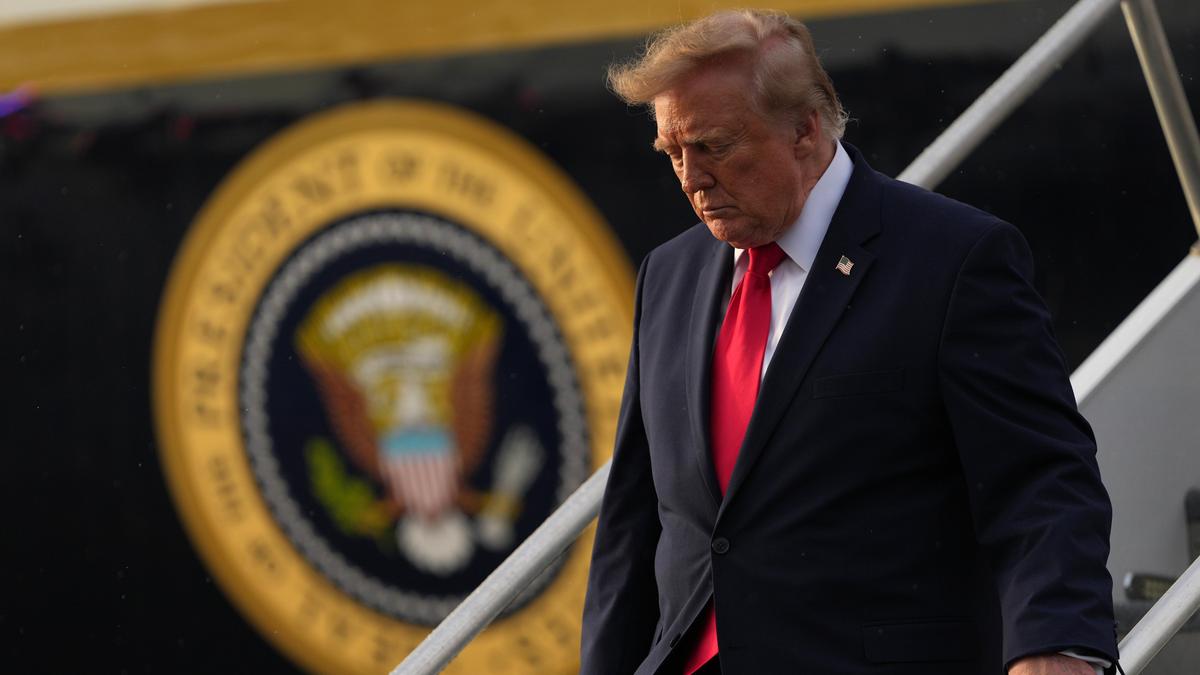
Donald Trump Hints at US Interest in Cuba After Conflict in Iran
UK Court Rules Against India in RAKIA Investment Dispute
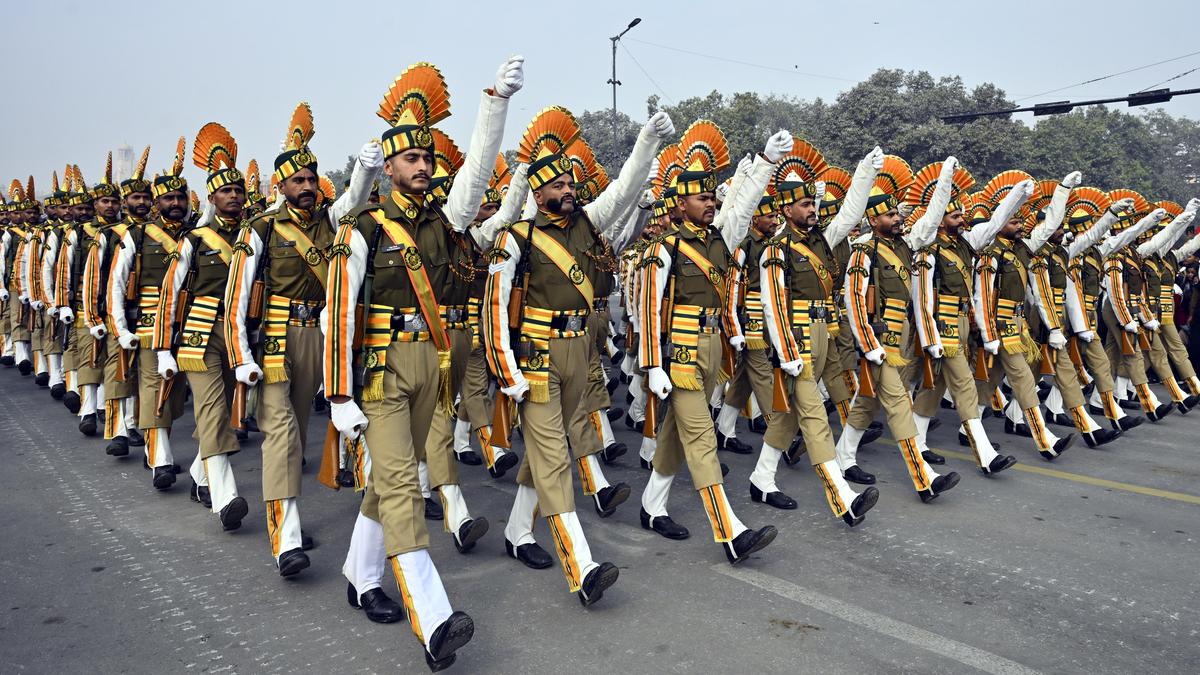
India Raises Concerns Over Chinese Border Patrolling Deviations